Category: Neurofeedback

This is the place for all of our neurofeedback blog posts.

  • The Ultimate Guide to Reducing Your Child’s Anxiety Without Medication

    The Ultimate Guide to Reducing Your Child’s Anxiety Without Medication

    Introduction

    Anxiety in children is a growing concern, with many children experiencing symptoms that affect their daily life. Whether it’s the stress of a big test at school, social anxiety, other worries, or the fear of separation anxiety, anxiousness can manifest in various ways. Addressing anxiety in children early is crucial to prevent it from developing into more severe anxiety disorders.

    At Dody Chiropractic Center for Wholeness, we understand the challenges that parents face when trying to get professional help for their anxious child. Our expertise in KST (Koren Specific Technique) chiropractic care, neurofeedback, and functional nutrition allows us to offer holistic and non-medication approaches to reduce your son’s anxiety. By focusing on natural, integrative methods, we help your child reduce their anxiety effectively and improve their overall mental and physical health.

    Our commitment is to provide personalized care for young people that addresses the root causes of anxiety disorders. We help children not make anxiety worse but feel more confident and less stressed. Through our comprehensive approach, we aim to support young people’s health and create lasting positive changes in your child’s life.

    how child anxious would look after neurofeedback

    Understanding Anxiety in Children

    Understanding the root causes of anxiety in children is the first step in helping your son or daughter manage their feelings of anxiety effectively. There are several common causes that contribute to children’s anxiety, each affecting them differently. This is key to understanding young people’s mental health.

    School-Related Stress

    School can be a major source of anxiety for many children. Young people feel worried about performing well academically, fear of a big test, and navigating social situations with other children can make school a stressful environment.

    Social Pressures

    Social anxiety is another significant factor. The need to fit in, fear of bullying, and the desire to make friends can lead to heightened anxiety in social situations. An anxious child may feel overwhelmed by these social pressures, affecting their mental and overall well-being.

    Family Dynamics

    Family stress and dynamics also play a crucial role in a child’s anxiousness. Changes in the family or stressful events, such as a close family member experiencing stress or conflict between family members, can increase a child’s anxiety levels.

    Sleep and Nutritional Factors

    Lack of proper sleep and poor nutrition can exacerbate anxiety symptoms. Ensuring that your child gets enough rest and consumes a balanced diet is essential for their mental wellbeing. Nutritional deficiencies can contribute to anxiety, making it important to address these factors as part of a comprehensive treatment plan.

    Signs and Symptoms to Watch For

    Recognizing the signs of anxiety in children is vital for early intervention. Common symptoms include physical signs like a racing heart, feeling sick, or headaches, as well as behavioral changes such as irritability, avoidance of social situations, separation anxiety, and difficulties concentrating. Understanding these symptoms can help you identify when your child is feeling anxious and take appropriate steps to support them.

    Neurofeedback: A Powerful Tool for Managing Anxiety

    Neurofeedback is a cutting-edge technique that offers significant benefits for managing anxiety in children without the need for medication. It is a non-invasive method that helps train the brain to function more efficiently, reducing anxiety symptoms and improving overall health. It is a mental health professional tool that helps your child feel anxious less often.

    Overview of Neurofeedback and How It Works

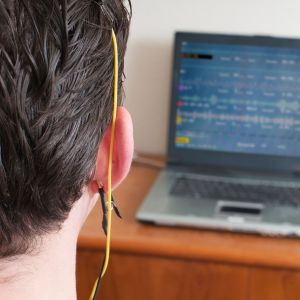
    Neurofeedback involves monitoring brainwave activity and providing real-time feedback to the brain. By using this feedback, the brain learns to self-regulate, which can lead to a reduction in anxiety and other related symptoms. This technique is particularly effective for children, as it is a natural and engaging way to help them manage their anxiety.

    Explanation of qEEG Brain Mapping

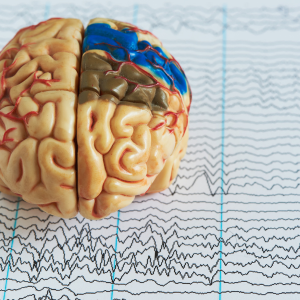
    The process begins with a qEEG (quantitative Electroencephalogram) brain map. This brain map measures the electrical activity in different regions of the brain, identifying areas that may be overactive or underactive. By pinpointing these areas, we can create a personalized neurofeedback training program tailored to your child’s specific needs.

    how to help son with anxiety

    The Process of Neurofeedback Sessions

    During neurofeedback sessions, your child will watch a video while their brainwave patterns are monitored. They can watch anything that interests them, with the neurofeedback system providing positive reinforcement when their brainwaves reach optimal patterns. The screen will stay bright when the optimal patterns are being used, and stay dim when they are not. Over time, this training helps the brain develop healthier patterns, reducing anxiety and improving overall mental wellbeing.

    Benefits of Neurofeedback for Anxiety

    Neurofeedback offers several benefits for anxious children. It is a drug-free approach that can lead to long-lasting improvements in anxiety symptoms. By training the brain to function more efficiently, neurofeedback can help children feel more calm, focused, and better able to manage stress. Additionally, it can improve sleep quality and enhance academic performance, contributing to a better quality of life.

    Success Stories from Our Practice

    At Dody Chiropractic Center for Wholeness, we have seen remarkable success with neurofeedback. One young patient, for example, struggled with severe school-related anxiety and panic attacks. After a series of neurofeedback sessions, their anxiety levels decreased significantly, leading to better performance in school and a happier, more confident demeanor. These success stories highlight the transformative potential of neurofeedback for children with anxiety.

    Creating a Holistic Anxiety-Reduction Plan

    Developing a drug-free anxiety reduction plan for your child may involve integrating various natural and effective strategies. At Dody Chiropractic Center for Wholeness, we combine KST chiropractic care, neurofeedback, and functional nutrition to create a comprehensive approach tailored to your child’s unique needs.

    Step-by-Step Guide to Developing a Personalized Plan

    Initial Assessment and Goal Setting

    The first step in creating a personalized plan is a thorough initial assessment. This involves understanding your child’s symptoms, triggers, and overall mental health. We conduct detailed evaluations, including qEEG brain mapping and chiropractic assessments, to identify the root causes of your child’s anxiety disorder. Setting clear, achievable goals is crucial, as it provides a roadmap for the treatment plan and helps track progress.

    Combining Chiropractic Care, Neurofeedback, and Nutrition

    Our holistic approach to health integrates three main components: KST chiropractic care, neurofeedback, and functional nutrition.

    • KST Chiropractic Care: Using the Koren Specific Technique, we address any spinal misalignments that may contribute to your child’s anxiety. Regular adjustments can create a brain-to-body connection, helping reduce physical symptoms and improve overall well-being.
    • Neurofeedback: Tailored neurofeedback sessions train your child’s brain to develop healthier patterns, reducing anxiety and enhancing mental health. This personalized brain training complements the physical benefits of chiropractic care.
    • Functional Nutrition: Nutrition plays a vital role in managing anxiety. Through blood work and hair toxicity testing, we can provide dietary recommendations and supplements to ensure your child receives the necessary nutrients for optimal brain function and overall health. Balanced nutrition can significantly impact anxiety levels, making it an essential part of the plan.

    helping mind body connection in stressful situation

    Monitoring Progress and Making Adjustments

    Regular monitoring is essential to ensure the effectiveness of the holistic plan. We conduct periodic assessments, including follow-up qEEG brain maps and chiropractic evaluations, to track your child’s progress. Based on these assessments, we make necessary adjustments to the treatment plan, ensuring it remains effective and responsive to your child’s needs.

    Importance of Consistency and Patience

    Consistency is key to the success of any holistic treatment plan. Regular chiropractic adjustments, neurofeedback sessions, and adherence to nutritional recommendations are crucial for achieving lasting results. Patience is equally important, as natural approaches may take time to show significant improvements. By staying consistent and patient, you can help your child manage their anxiety effectively and promote long-term mental health.

    Creating a holistic anxiety-reduction plan involves a comprehensive, personalized approach that addresses the physical, mental, and nutritional aspects of your child’s well-being. The natural approach does not treat anxiety symptoms, but it gets to the underlying cause to help kids learn to manage it easily. This integrative strategy ensures that your child receives the most effective and natural care possible, helping them lead a happier, healthier life.

    Additional Tips and Strategies for Parents

    As a parent, there are numerous strategies you can implement at home to support your child’s mental health and help them manage anxiety. These additional tips can complement the holistic treatment plan provided by Dody Chiropractic Center for Wholeness.

    Techniques for Supporting Your Child’s Mental Health at Home

    Mindfulness and Relaxation Exercises

    Mindfulness and relaxation exercises can significantly reduce childhood anxiety. Encourage your child to practice deep breathing techniques, guided imagery, or progressive muscle relaxation. These exercises help them focus on the present moment, calm their mind, have a natural reaction to stress, and make anxiety more manageable.

    Encouraging Physical Activity

    Regular physical activity is essential for reducing childhood anxiety and improving overall mental health. Encourage your child to engage in activities they enjoy, whether it’s playing a sport, dancing, or simply taking a walk. Exercise releases endorphins, which are natural mood lifters, and helps to alleviate physical symptoms of anxiety such as a racing heart or muscle tension.

    coping mechanisms for younger children to help with child's fear

    Establishing a Healthy Routine

    A consistent and healthy daily routine can provide a sense of stability and security for anxious children. Ensure your child gets adequate sleep, has regular meal times with balanced nutrition, and has a structured schedule for homework and leisure activities. A predictable routine helps reduce anxiety by creating a stable environment where children know what to expect.

    By implementing these techniques and utilizing available resources, you can create a supportive environment that helps your child manage their anxiety more effectively. These additional strategies, combined with the comprehensive care from Dody Chiropractic Center for Wholeness, can make a significant difference in your child’s life.

    The Broad Benefits of Neurofeedback

    Neurofeedback is a versatile and powerful tool that extends beyond managing anxiety. It can be used to address a wide range of mental health issues, helping children and adults who are feeling worried to improve their brain function and overall well-being. By training the brain to develop healthier patterns, neurofeedback can support individuals of different ages in overcoming various challenges, making it a valuable addition to any holistic health plan.

    Lack of Focus

    Many children and adults struggle with maintaining focus and concentration, whether it’s in the classroom, at work, or during daily activities. Neurofeedback helps to enhance attention by training the brain to stay in an optimal state of alertness. This can lead to significant improvements in academic performance, productivity, and the ability to complete tasks efficiently. By addressing the underlying brainwave patterns associated with poor focus, neurofeedback offers a natural and effective solution to enhance concentration and cognitive function.

    Depression

    Depression is a common issue that affects many people, impacting their quality of life and daily functioning. Neurofeedback can be an effective tool in alleviating symptoms of depression by promoting more balanced brain activity. Through targeted brain training, neurofeedback helps to regulate mood, reduce feelings of sadness, and increase overall emotional stability. This non-invasive approach provides a promising alternative for those seeking to manage depression without relying solely on medication.

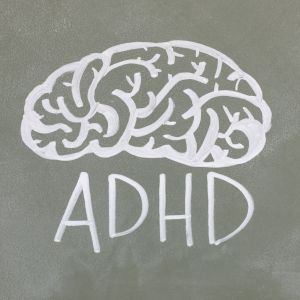
    ADD/ADHD

    Attention Deficit Disorder (ADD) and Attention Deficit Hyperactivity Disorder (ADHD) are conditions that can make it challenging for children to stay focused, control impulses, and manage hyperactivity. Neurofeedback offers a drug-free method to improve symptoms of ADD/ADHD by training the brain to achieve and maintain a more regulated state. Research has shown that neurofeedback can lead to better attention, reduced impulsivity, and decreased hyperactivity, providing a natural and effective way to support children with ADD/ADHD. This approach empowers children to develop better self-control and achieve greater success in their academic and personal lives

    Practical Advice on Getting Started with Neurofeedback

    If you’re interested in neurofeedback for your child’s behavior, the first step is to schedule a consultation. During this initial visit, we will conduct a qEEG brain map to assess your child’s brainwave activity and develop a customized training plan. Regular sessions are recommended to achieve the best results, and we provide ongoing support to ensure your child continues to benefit from this powerful tool.

    Neurofeedback offers a promising, holistic approach to reducing anxiety in children, helping them to feel more balanced and capable in their daily lives.

    Conclusion

    Reducing your child’s anxiousness and common fears without medication is not only possible but can also lead to lasting and profound improvements in their overall well-being. By taking a holistic approach that includes KST chiropractic care, neurofeedback, and functional nutrition, you address the root of how anxiety works, providing your child with the tools they need to manage their mental health effectively.

    Our comprehensive plan at Dody Chiropractic Center for Wholeness integrates these powerful, natural methods to create a personalized anxiety-reduction strategy for your child. From the initial assessment and goal setting to the consistent application of chiropractic adjustments, neurofeedback sessions, and nutritional guidance, our approach ensures that your child’s unique needs are met, fostering a healthier and more balanced life.

    We encourage you to take the first step towards helping your child understand and overcome anxiety naturally. By committing to a holistic, integrative plan, you can empower your child to manage their anxiety and thrive in their normal daily life.

    Schedule a consultation at Dody Chiropractic Center for Wholeness today, and let us help you develop a personalized plan to reduce your child’s anxiety. Together, we can support your child’s journey to better health and a brighter future. Contact us now to get started!

  • Ways to Improve Your Mood Naturally

    10 Simple Ways to Boost Your Mood Naturally Starting Today!

    We all have those days when we feel down or stressed out, and knowing how to boost mood naturally can make a significant difference. It’s completely normal to experience fluctuations in mood, but wouldn’t it be great if we had some simple, natural strategies to lift our spirits?

    As a family wellness chiropractor specializing in KST chiropractic care, neurofeedback therapy, and functional nutrition, I’ve seen firsthand how small changes can make a big difference in boosting mood and improving mental health.

    Whether you’re dealing with depression or anxiety or want to enhance your overall mood, these tips can help you feel better without the need for medications. From incorporating regular exercise and functional nutrition to experiencing neurofeedback training and KST chiropractic care, these natural methods are designed to promote good mental health and a positive outlook on life.

    Key Takeaways

    • Start Your Day with Gratitude: Practicing gratitude can significantly boost your mood and set a positive tone for the day.
    • Incorporate Regular Exercise: Engaging in physical activity releases endorphins, naturally improving mood and reducing stress.
    • Eat Mood-Boosting Foods: A diet rich in omega-3 fatty acids, leafy greens, and dark chocolate can enhance mental health and mood.
    • Prioritize Quality Sleep: Getting enough sleep is crucial for maintaining good mental health and a positive mood.
    • Try KST Chiropractic Care: KST chiropractic care can help align your body and improve overall well-being, contributing to better mood regulation.
    • Experience Neurofeedback Training: Neurofeedback training is effective for mood regulation, helping to reduce symptoms of anxiety and depression.
    • Practice Mindfulness and Meditation. Focusing on the present moment can create a sense of calm and improve mood.
    • Connect with Nature: Spending time in nature reduces stress and increases feelings of happiness and well-being.
    • Limit Screen Time: Reducing screen time can help prevent anxiety and improve mental health.
    • Build a Supportive Social Network: Positive social interactions and a strong support system are essential for maintaining good mental health and boosting your mood.

    1. Start Your Day with Gratitude

    The Power of Gratitude

    One simplest yet most powerful way to boost your mood is to start your day with gratitude. It might sound cliché, but taking a few moments each morning to reflect on what you’re thankful for can set a positive tone for the rest of the day.

    How to Practice Gratitude

    You don’t need to write a lengthy journal entry; even a quick mental list will do. Personally, I keep a small gratitude journal by my bedside and jot down three things I’m grateful for each morning. It’s a small habit that has made a big difference in my outlook on life.

    2. Incorporate Regular Exercise

    People exercising to ease stress and decrease bad mood

    Exercise and Mood

    Exercise is a fantastic way to boost your mood naturally. Physical activity releases endorphins, the body’s natural feel-good chemicals. Plus, regular exercise can help reduce stress, anxiety, and depression symptoms.

    Easy Ways to Get Moving

    You don’t have to become a gym enthusiast to reap the benefits. Start with something you enjoy, like walking, yoga, or dancing. I often take a brisk walk around my neighborhood in the mornings, which lifts my mood and gives me a chance to enjoy nature.

    3. Eat Mood-Boosting Foods

    Heart healthy foods that can increase human health

    Nutrition and Mood

    What you eat and a healthy lifestyle can significantly impact how you feel. Foods rich in omega-3 fatty acids, leafy greens, and dark chocolate are known to enhance mood. Incorporating a well-balanced diet that includes these foods can help improve your overall mental health.

    Functional Nutrition

    Our wellness center uses functional nutrition to create dietary plans that boost mood naturally and improve overall well-being. This approach focuses on how food affects the body at the cellular level, ensuring each person’s diet supports their unique health needs.

    Personalized Dietary Plans

    For those dealing with low energy, mood swings, or depression, we recommend specific supplements and dietary adjustments. Foods rich in omega-3 fatty acids, like salmon and flaxseeds, improve mood. Whole grains, leafy greens, and lean proteins stabilize blood sugar levels, which is crucial for maintaining a positive mood and reducing anxiety.

    Supplements for Mood Enhancement

    Functional nutrition often includes supplements to address deficiencies affecting mood. Vitamin D, magnesium, and B vitamins support mental health. We assess each individual’s nutritional needs through consultations and lab tests to ensure personalized and effective diet plans.

    Real-Life Example

    One patient, struggling with chronic fatigue and irritability, saw significant improvements after we customized her nutrition plan. She experienced increased energy levels, better mood stability, and enhanced mental health by incorporating nutrient-dense foods and the right supplements.

    Functional nutrition is a powerful tool for promoting good mental health. Combined with other natural strategies like exercise and neurofeedback training, it can improve mood and quality of life.

    4. Prioritize Quality Sleep

    A woman sleeping so she can fully rest and feel happier

    The Importance of Sleep

    Quality sleep is crucial for maintaining good mental well-being. Lack of sleep can lead to irritability, anxiety, and even depression. Ensuring you get enough rest can significantly improve your healthy choices and mood.

    Tips for Better Sleep

    Establish a consistent sleep schedule, go to bed and wake up at the same time, and create a calming bedtime routine. Turning off electronic devices an hour before bed and reading a book helps me unwind and prepare for a restful night.

    5. Try KST Chiropractic Care

    a woman getting a chiropractic adjustment which helps strengthen body connection

    What is KST Chiropractic Care?

    KST (Koren Specific Technique) chiropractic care is a gentle, non-invasive method that helps align the spine and improve overall health. Proper alignment ensures that the brain and nervous system function optimally, which can profoundly impact physical and mental health and mood.

    How Chiropractic Care Affects Mood

    Chiropractic adjustments, including KST, release tension and correct misalignments in the spine, improving the flow of nerve signals between the brain and the body. This optimal nerve function positively influences the production and regulation of mood-related chemicals like serotonin and dopamine. Misalignments can lead to stress, anxiety, and mood swings. By addressing these issues, KST chiropractic care can ease stress and promote a balanced and good mood.

    Success Stories

    One patient, a busy mom struggling with anxiety, found significant relief after a few KST sessions. She noticed a marked improvement in her mood and overall stress levels. Another patient dealing with chronic low mood and fatigue experienced a significant boost in energy and mood after regular KST chiropractic care. These changes were not only physical but led to better time management techniques, a positive outlook, and greater emotional stability.

    Connecting Brain and Nervous System Health

    KST chiropractic care enhances the connection between the brain and the nervous system, reducing stress and anxiety linked to poor nerve function. Proper chiropractic care ensures balanced neurotransmitter release, helping to manage depression, reduce anxiety, and promote overall mental well-being.

    KST chiropractic care is an effective, natural way to boost your mood and improve your overall health. Consider adding chiropractic care to your routine for a holistic approach to mental wellness. You can achieve a more balanced, happier life by addressing the root causes of stress and mood swings through spinal alignment.

    6. Experience Neurofeedback Training

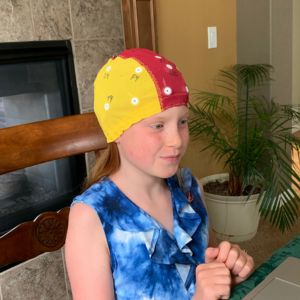
    a girl doing neurofeedback which help lift your mood and feel emotionally stronger

    Understanding Neurofeedback

    Neurofeedback training is a type of biofeedback that helps the brain function more efficiently by monitoring brain wave activity and providing real-time feedback. This technique is particularly effective for mood regulation, reducing symptoms of anxiety and depression by targeting specific brain wave patterns, such as alpha brain waves.

    The Role of Alpha Brain Waves in Mood Regulation

    Alpha brain waves are associated with relaxed alertness, calmness, and mental clarity. When alpha brain wave activity is balanced, individuals feel more relaxed, focused, and in control of their emotions. Neurofeedback training enhances the production and regulation of alpha brain waves, directly impacting mood and emotional well-being.

    By promoting optimal alpha brain wave activity, neurofeedback reduces stress, anxiety, and feelings of depression, leading to improved mental health and overall well-being.

    Real-Life Examples

    One young woman who felt constantly overwhelmed and anxious reported feeling more in control of her emotions and experiencing fewer mood swings after a series of neurofeedback sessions. The training helped her brain increase alpha brain wave activity, improving her mood and emotional health.

    Another patient, struggling with chronic depression, experienced significant improvements after undergoing neurofeedback training. By enhancing alpha brain wave activity, the patient saw reduced symptoms of depression and a more positive outlook on life.

    How Neurofeedback Training Works

    During a neurofeedback session, sensors on the scalp measure brain wave activity. Real-time feedback through visual or auditory cues helps the brain learn to self-regulate and maintain optimal alpha brain wave patterns. Over time, this training leads to lasting improvements in mood, mental clarity, and emotional stability.

    Neurofeedback training is a non-invasive, drug-free approach to mental health that complements other natural methods like functional nutrition, regular exercise, and KST chiropractic care. Incorporating neurofeedback into your wellness routine can enhance your brain’s ability to manage stress, reduce anxiety, and improve overall mood naturally.

    7. Practice Mindfulness and Meditation

    Benefits of Mindfulness

    Mindfulness and meditation are excellent tools for improving mood and reducing stress. Focusing on the present moment can create a sense of calm and clarity.

    Getting Started with Meditation

    If you’re new to meditation, start with just five minutes daily. Use guided meditation apps or simple breathing exercises. Personally, I find that a short meditation session during my lunch break helps me recharge and stay focused.

    8. Connect with Nature

    spend time in nature with a short walk

    Nature’s Impact on Mood

    Spending time in nature can profoundly affect your mood and give you more energy. Fresh air, sunlight, and the beauty of the natural world can help reduce stress and increase feelings of happiness.

    Easy Ways to Enjoy Nature

    You don’t need to plan a major hike to reap the benefits. A simple walk in the park, gardening, or even sitting outside with a cup of tea can do wonders. I often take my lunch outside on nice days, which always lifts my spirits.

    9. Limit Screen Time

    The Effects of Screen Time

    Excessive screen time can negatively impact your mood and mental health. The constant influx of information and social media can be overwhelming and lead to feelings of anxiety.

    Creating a Healthier Digital Balance

    Set boundaries for your screen time. For example, designate screen-free times during the day, such as during meals or an hour before bed. I make it a point to disconnect from my devices after 8 p.m., significantly improving my sleep and overall mood.

    10. Build a Supportive Social Network

    The Importance of Social Connections

    Having a strong support system is essential for good mental health. Positive social interactions with a family member can reduce stress and improve your mood.

    Tips for Building Relationships

    Reach out to friends, join clubs, or participate in community events. Even small efforts, like texting a friend or attending a local meetup, can create meaningful connections and provide a sense of belonging.

    Conclusion

    Feeling better doesn’t always require drastic changes. Incorporating these simple, natural strategies into your daily routine can boost your mood and improve your overall well-being. At our wellness center, we’re here to support you on your journey to better health. Feel free to reach out if you’re interested in learning more about our services, including KST chiropractic care, neurofeedback training, and functional nutrition. Remember, small steps can lead to big improvements in how you feel.

    Call to Action

    If you found these tips helpful, share this article with friends who might benefit from them. And don’t forget, we’re offering a special discount on brain map sessions for new clients interested in neurofeedback training. Schedule your consultation today and take the first step towards a happier, healthier you!

  • Neurofeedback, Chiropractic, and the Brain

    HOW DOES CHIROPRACTIC AND NEUROFEEDBACK CHANGE THE BRAIN

    Unlock Your Brain’s Full Potential: Discover the Miraculous Benefits of Chiropractic and Neurofeedback!

    Introduction

    Have you ever felt like you’re perpetually walking through a fog, hindered by anxiety, brain fog, or perhaps more chronic conditions such as sleep problems, OCD, PTSD, ADD, or ADHD? If so, you’re not alone. Countless individuals search daily for relief from these invisible burdens that cloud the mind and disrupt daily life. In this post, we delve into a groundbreaking approach that combines the precision of Koren Specific Technique (KST) chiropractic care with the advanced science of neurofeedback. As a seasoned family wellness chiropractor, I’ve witnessed first-hand the transformative effects these therapies can have on mental clarity and emotional stability. Join us as we uncover how these powerful tools can be your allies in the fight against neurological disorders, offering a natural, drug-free path to a clearer, more vibrant life.

    Chiropractic Care: A Brief Overview

    Chiropractic care is more than a method for relieving back pain; it’s a comprehensive health discipline focused on enhancing the musculoskeletal and nervous systems to promote overall wellness. This practice plays a crucial role in optimizing body and brain functions, as the health of the spine is directly linked to how efficiently our nerve system operates, including significant impacts on brain activity.

    What is KST Chiropractic?

    Koren Specific Technique (KST) stands out as a unique protocol within the field. It is designed to detect and correct spinal misalignments and tension patterns that traditional chiropractic methods may miss. This technique is not only gentle but highly effective, especially for addressing various neurological disorders in the human body, making it an essential part of holistic neurological health care.

    Introduction to Neurofeedback

    Neurofeedback, a sophisticated form of biofeedback, utilizes real-time displays of brain waves, predominantly through EEG, to foster self-regulation of brain function. This process is akin to a personal training session for the brain, enhancing its ability to function more efficiently and effectively. By training the brain to modify its own electrical activity, neurofeedback can significantly improve cognitive performance and emotional stability, offering profound benefits for individuals experiencing brain fog, anxiety, and other cognitive challenges.

    The Connection Between the Brain and Spinal Cord

    The human brain and spinal cord act as the central nervous system for our body, orchestrating communication between all bodily functions via nerve fibers, while the spine serves as its protective shield. Disruptions or misalignments in the spine can interrupt this crucial communication, adversely affecting everything from cerebral blood flow to basic motor areas to complex functions like mood and cognitive regulation.

    Neurofeedback: Training Your Brain for Better Health

    Tailoring Treatment to Your Needs

    Each neurofeedback therapy session is meticulously customized to the individual’s unique brain electrical signals. For individuals grappling with anxiety, the treatment strategy often focuses on enhancing alpha waves, known for their calming effects on the mind. Conversely, for those dealing with ADHD, the aim is to boost beta wave production, which is crucial in improving focus and reducing impulsivity. This precise adjustment of brain waves during neurofeedback treatment ensures that each session addresses and mitigates specific symptoms, offering a targeted approach to improving mental health.

    The Benefits Unfold

    Consistent neurofeedback sessions can lead to significant improvements in both emotional and cognitive health. For example, individuals with PTSD often experience fewer flashbacks after undergoing regular treatments. Similarly, those suffering from ADD report enhanced concentration and a notable decrease in distractibility. This transformation extends beyond just alleviating symptoms; it involves retraining specific brain regions responsible for these functions, such as the cerebral cortex, frontal lobe, temporal lobes, parietal lobes, and occipital lobes. I know this is a lot of brain anatomy, but scientific research shows optimizing nerve cells in the brain makes a difference. Through systematic adjustments in brain activity, neurofeedback therapy effectively remodels neurological pathways, fostering lasting changes in both brain function and behavior.

    Integrative Approach: Combining KST Chiropractic with Neurofeedback

    The results can be profoundly synergistic when KST chiropractic adjustments are combined with neurofeedback therapy. These adjustments enhance neurological health by improving spinal alignment and optimizing nerve flow. This improvement in the central nervous system function can make the brain more receptive to neurofeedback training. Such an integrative approach often leads to faster and more significant outcomes.

    In my clinical experience, the transformative power of this combined treatment is evident. For instance, one of my patients, a middle-aged woman grappling with severe anxiety and ADHD, witnessed remarkable improvements. Her regular KST chiropractic sessions significantly amplified the benefits derived from her neurofeedback therapy. As her treatment progressed, not only did her panic attacks decrease markedly, but her cognitive function also enhanced, enabling her to focus better. This newfound clarity and focus empowered her to pursue her dream of starting a small online business—an endeavor she had previously thought impossible.

    How This Treatment Can Change Your Life

    Imagine waking up feeling clear-headed, more in control, and emotionally stable. This isn’t just a dream for many patients—it’s their new reality. This treatment modality can potentially manage symptoms and significantly improve quality of life.

    Getting Started with Treatment

    If you’re considering this path, here are a few steps to get started:

    • Consult with a practitioner: Find a chiropractor skilled in KST and a clinic that offers neurofeedback.
    • Set realistic goals: Discuss your symptoms and what you hope to achieve so your treatments can be tailored accordingly.
    • Commit to the process: Both chiropractic and neurofeedback require multiple sessions to see optimal results.

    Conclusion

    Combining the precision of KST chiropractic adjustments with the targeted effectiveness of neurofeedback therapy creates a robust, holistic strategy for naturally managing and improving neurological and mental health conditions. By optimizing your spinal health and actively training your brain, you can achieve unprecedented levels of wellness and cognitive function.

    Your journey to a better brain and life is just a step away. Don’t wait to unlock your full potential—contact us today to schedule your first session and experience the transformative effects of this integrative approach firsthand. Remember, by taking control of your brain health, you’re taking control of your life. Start your transformation now!

    Additional Resources

    For those interested in learning more, I recommend exploring articles on the effectiveness of neurofeedback and chiropractic care and testimonials from those who’ve experienced their benefits. Don’t hesitate to reach out for a consultation or to discuss potential treatment plans. Your journey to better brain health is just a phone call away!

    We are excited to bring this amazing new tool to Denver and the Littleton area. For more information, please call our office at 303-794-1737.

  • Get Your Life Back: Your Ultimate Guide to Neurofeedback Therapy for PTSD

    Get Your Life Back: Your Ultimate Guide to Neurofeedback Therapy for PTSD

    Blog banner Get Your Life Back: Your Ultimate Guide to Neurofeedback Therapy for PTSD with veteran with ptsd

    Introduction: Your First Step to a Life Beyond PTSD

    Hey there! If you’ve clicked your way here, it’s safe to assume you or someone you care about is wrestling with traumatic memories and the overwhelming symptoms of Post Traumatic Stress Disorder (PTSD). I get it; coping with traumatic events and the consequent PTSD symptoms can be exhausting, especially when bombarded with intense emotions, sleepless nights, and seemingly uncontrollable stress responses. Treating trauma with traditional treatments and medications may have done their part. Still, you’re looking for something different that doesn’t involve popping pills or going through repetitive exposure therapy sessions.

    Enter Neurofeedback Therapy is a groundbreaking approach changing the game in mental health treatment to help trauma patients. Instead of invasive procedures or medications that may cause unwanted side effects, neurofeedback aims to recalibrate your brain and nervous system, focusing mainly on healthier brain function and the four brain waves. It’s a form of trauma therapy that dives deep into your neural networks and brain functions, giving you the tools to control symptoms and responses that often seem uncontrollable.

    What’s even more exciting? Neurofeedback Training isn’t just a band-aid solution. It can offer long-term relief, affecting brain activity and whole-body stress response to trauma. So, suppose you’re tired of being a passive patient and want to take an active role in treating traumatic memories and improving your mental health with conscious awareness. In that case, you’re in the right place. Let’s dive into this revolutionary treatment, explore how it works, and see if it might be missing in your journey to reclaiming your life from PTSD.

    What is Neurofeedback?

    Brain with graphics in background

    Definition of Neurofeedback: More Than Just a Buzzword

    Alright, let’s get into the nitty-gritty. What exactly is neurofeedback? Known in the realm of clinical practice as EEG biofeedback, this is a specialized form of biofeedback that zeroes in on your brain activity and specific brain waves. In lay terms, it’s like a gym workout for your brain, designed to help your neural networks adopt healthier brain function.

    How Neurofeedback Training Worked for Me: A Personal Anecdote

    Before jumping into how it works, let me tell you why I’m passionate about neurofeedback. You see, I played football through college before I started this profession and found neurofeedback training. But along with the thrill of the game came some unfortunate side effects—brain trauma that impaired my brain performance. I experienced difficulty concentrating, emotional swings, and even trouble sleeping. Traditional therapies offered limited success, and that’s when I discovered neurofeedback.

    My neurofeedback sessions were an eye-opener. I noticed a significant difference through brainwave training tailored to my specific needs. My focus improved, my emotions stabilized, and my overall mental well-being took a turn for the better. It wasn’t just a treatment; it felt like I was regaining parts of myself that I had lost due to my brain trauma.

    The Nuts and Bolts: How Neurofeedback Training Works

    Now, how does it work for you? Imagine this—you’ll be sitting in a comfy chair in a relaxed state, with sensors snugly attached to your scalp. This is all part of the EEG Neurofeedback setup. These sensors are your gateway to understanding your brain’s intricate activities, almost like a brain map, as you engage in activities like watching a movie or playing a game.

    Alpha theta neurofeedback training is one protocol used in neurofeedback for PTSD. Real-time data is collected and fed back to you in a way that allows your brain to recognize its patterns, eventually guiding you to establish improved brain function and brain waves like Alpha and Theta brainwaves.

    Beyond PTSD: Applications in Mental Health

    But wait, there’s more! Neurofeedback isn’t a one-trick pony. While it’s incredible for treating PTSD and helping brain function, it doesn’t stop there. Neurofeedback therapy has been shown to be effective in treating a myriad of mental health issues. From other types of anxiety disorders to developmental trauma, the technique’s adaptability makes it a cornerstone in modern integrative approaches to mental health.

    Whether you’re grappling with chronic anxiety disorder caused by a traumatic event, developmental trauma, or even trauma histories involving physical abuse or sexual abuse, neurofeedback has the potential to modulate your autonomic nervous system and, by extension, your whole body’s response to stress and trauma. It can be a game-changer in transforming your daily life and reclaiming your mental health.

    What Are The Symptoms Of PTSD? Understanding the Nuanced Experience

    veteran with ptsd

    Understanding PTSD—Post-Traumatic Stress Disorder—is a crucial first step to finding the proper treatment for you or a loved one. PTSD is not a one-size-fits-all psychiatric disorder. It is a stress response. While it’s often associated with veterans returning from combat and the associated traumatic memories, it can affect anyone who has faced a traumatic event, such as assault, disaster, car accident, child abuse, or even experiences like physical or sexual abuse.

    The Many Faces of PTSD Symptoms

    Let’s take a closer look at the symptoms. Each person’s experience with PTSD is unique, but some common symptoms are often reported:

    1. Reliving the Event: The memory of the traumatic event often comes flooding back, making it difficult to separate the past from the present.
    2. Flashbacks: This involves experiencing the trauma as if it’s happening repeatedly.
    3. Nightmares: Dreams related to the traumatic event can interrupt sleep and contribute to difficulty sleeping.
    4. Triggers: Certain smells, sounds, or even people can act as triggers, causing you to relive the traumatic events.
    5. Avoidance Tactics: This can range from avoiding reminders of the event, like steering clear of driving after a car accident, to actively avoiding talking about the trauma.
    6. Occupying Time: Keeping busy can serve as a distraction from confronting the traumatic stress disorder PTSD can bring.
    7. Negative Emotional State: This encompasses negative thoughts and feelings, including a lack of trust in others or feelings of detachment.
    8. Hyperarousal: Symptoms like feeling keyed up, angry outbursts, and being easily startled fall under this category.
    9. Concentration and Sleep Issues: Mental fog, problems with concentrating, and disrupted sleep patterns can be significant challenges.
    10. Negative Self-Perception: This might involve negative feelings about yourself, possibly leading to thoughts that life is not worth living.

    PTSD by the Numbers

    Let’s put this into perspective: It’s estimated that 7-8% of the population will experience PTSD at some point. In any given year, up to 8 million adults in the U.S. alone will struggle with PTSD symptoms. That staggering number underscores the necessity for effective PTSD treatment options.

    Why Choose Neurofeedback for PTSD? The Benefits that Make it Stand Out

    When treating Post Traumatic Stress Disorder (PTSD), options abound, from conventional therapies like emdr therapists, exposure therapy or pharmaceutical solutions. However, neurofeedback therapy is becoming a viable, non-invasive, and effective alternative. Let’s explore why this treatment method has been transformative for many PTSD patients.

    Minimizes Side Effects: A Drug-Free Approach

    Firstly, medications used in PTSD often come with a list of side effects ranging from nausea and headaches to more severe concerns like dependency issues. Neurofeedback therapy offers a path that significantly minimizes these concerns. It is non-invasive and does not require medication—just some sensors attached to your scalp to monitor brain activity. This approach allows for treating PTSD symptoms without altering your body and nervous system’s chemistry or causing potential side effects related to medications.

    PTSD in dictionary

    Sustainability: The Gift that Keeps on Giving

    I remember Sarah, one of my clients, who came to me after trying a cocktail of medications that, while somewhat effective initially, eventually saw diminished returns. After undergoing a series of neurofeedback sessions focused on altering specific brain waves, Sarah experienced immediate relief and long-term benefits. It’s been over a year, and she remains medication-free. Neurofeedback offers a sustainable treatment method that equips your nervous system to maintain better brain function over the long haul.

    Individualized Treatment: Your Brain, Your Program

    The adage “everyone’s brain is unique” couldn’t be more accurate. Traditional PTSD treatments often adopt a one-size-fits-all approach, which is seldom effective for everyone. Neurofeedback training, however, offers individualized treatment tailored to your unique neural networks and brainwave activity. The individualized focus of neurofeedback therapy ensures that you’re not just another patient in a control group but a unique individual receiving specialized care.

    Personal Note on Neurofeedback

    My journey into neurofeedback began due to some brain trauma I incurred while playing football. Like many PTSD patients, I faced challenges such as disrupted brain function and an autonomic nervous system that seemed to have a mind of its own. I WAS SOLD when I saw how neurofeedback could address these issues without side effects or invasive procedures. It’s a game-changer for anyone dealing with a traumatic event, dysregulated brain activity, or even anxiety disorder caused by a traumatic event or events.

    Neurofeedback offers a range of benefits, making it an attractive option for anyone with PTSD. Its minimal side effects, long-term sustainability, and tailored approach make it an alternative worth considering. Combined with my experience and the positive outcomes I’ve seen in my clinical practice, I can say that neurofeedback training offers a compelling option for treating PTSD.

    What to Expect in a Neurofeedback Session: Your Roadmap to Recovery

    If you’re considering neurofeedback for PTSD, you might be curious about what an actual session entails. Let’s remove the shroud of mystery and explore how a typical neurofeedback session operates, from pre-session assessments to post-session evaluations.

    Pre-session Assessment and Brain Map: Laying the Foundation

    Before diving into the neurofeedback session itself, a comprehensive pre-assessment is crucial. This usually involves creating a brain map, an innovative tool to visualize and understand your brain functions. We gain valuable insights into the neural networks that might contribute to your post-traumatic stress disorder symptoms using EEG technology. This data allows us to gauge your symptom severity and trauma history, providing a baseline against which we can measure future improvements.

    During the Session: A Deep Dive into Alpha Theta Training

    You’ll settle into the neurofeedback session once the assessments are out of the way. You’ll be placed in a relaxed state—this is vital for the success of alpha-theta neurofeedback training. The brain’s alpha waves and theta waves, which are linked to relaxation and deep learning states, will be monitored in real-time. Sensors attached to your scalp will keep track of these specific brain waves, helping us understand your brain activity and how to optimize it.

    I can’t help but share my own experience here. As mentioned, I got into neurofeedback due to some cognitive issues from past football injuries. When I underwent my first alpha-theta training, I felt my brain operating more harmoniously. It was like turning a chaotic orchestra into a symphony—everything started to flow more naturally.

    Post-session: Analyzing and Fine-Tuning Your Treatment

    After the session, you’re not just sent on your way; a team of neurofeedback specialists will meticulously analyze the gathered data. This evaluation will help fine-tune your subsequent sessions, ensuring your treatment is as personalized as possible. The ultimate goal is a whole-body response involving improved brain activity and an integrated sense of well-being that positively affects your daily life.

    We examine factors like how your autonomic nervous system responds, changes in brainwave activity, and how these relate to your PTSD symptoms. The idea is to iterate upon each session’s data, adjusting the next session for the most optimal brainwave training for you.

    A neurofeedback session is a structured yet flexible approach to treating your unique PTSD symptoms. With its rigorous pre-assessments, individualized in-session training, and detailed post-session analyses, neurofeedback aims to offer a comprehensive, integrated approach to mental health. This holistic model aligns perfectly to treat not just your PTSD symptoms but also improve your overall health and wellness.

    Success Stories and Control Group Evidence: When Data Speaks Louder Than Words

    If you’re a skeptic at heart, you’re probably wondering, “Where’s the evidence to back up all these claims about neurofeedback therapy for PTSD?” Fair question! So, let’s delve into some compelling case studies, clinical experiences, and empirical research that substantiate the efficacy of treating thorough neurofeedback PTSD symptoms.

    Case Studies and Clinical Experience: Real-life Transformations

    In the realm of clinical practice, the neurofeedback group of PTSD patients has often reported noteworthy improvements when compared to a control group that underwent traditional therapies like exposure therapy or accepted academic conventions. These aren’t just anecdotal observations but are grounded in systematic data collection and analysis.

    Empirical Evidence: The Science Behind the Success

    As for empirical evidence, several studies make a compelling case for the effectiveness of neurofeedback therapy for treating PTSD. For instance, the experimental group undergoing neurofeedback usually significantly reduces PTSD symptoms, including difficulty sleeping and stress-induced physical sensations.

    Is Neurofeedback Therapy Effective in Treating PTSD? The Studies Say ‘Yes’

    Neurons in brain

    An evolving body of research is increasingly validating the potential of neurofeedback as an effective treatment for PTSD. Here are a few studies that stand out:

    • The Pilot Study: This study examined neurofeedback therapy for patients resistant to other PTSD treatments. Participants showed marked improvements in PTSD symptoms after just forty sessions. This study built on previous research that found neurofeedback effective for treating ADHD, extending its applicability to PTSD patients.
    • Twelve-Week Study: Patients underwent two sessions of neurofeedback therapy per week for twelve weeks. By the end of the study, not only did the treatment group show a significant reduction in PTSD symptoms, but there was also a notable decrease in individuals who still met the criteria for PTSD.
    • Veterans’ Study: This study focused on veterans with PTSD and discovered a significant reduction in symptom severity after receiving neurofeedback therapy. In particular, the symptoms of avoidance, hyperarousal, and depression lessened after three treatment sessions.

    Since neurofeedback therapy does not involve invasive surgery or medication and causes significantly less distress than other treatments, these studies affirm its role as a viable, effective, and often permanent treatment for PTSD.

    The Takeaway: A Paradigm Shift in Treating PTSD

    While traditional treatments have their place, neurofeedback therapy is carving out its niche in the world of PTSD treatment. It not only offers a lower risk of side effects but, as research shows, can deliver enduring results in reducing symptom severity and improving mental health.

    So, suppose you’re sitting on the fence about trying neurofeedback therapy for PTSD. In that case, these success stories and empirical evidence might give you the nudge you need to take that first step toward a more integrated and healthier state of being.

    Initiating Your Journey with Neurofeedback for Trauma: A Complete Overview

    What if you’re convinced that neurofeedback could be the right therapy for your PTSD or complex trauma conditions? In that case, the first step is making that initial consultation. Yet, even before that, there are essential considerations and preparations to ensure the highest efficacy from your treatment. Below, we break down the key aspects you need to know when getting started with trauma treatment.

    Consult a Specialist: Where Expertise Meets Individualized Care

    It is imperative to consult a trained neurofeedback specialist when treating Post Traumatic Stress Disorder conditions. These professionals possess the necessary expertise in diagnosing and treating anxiety disorders and trauma-related issues via biofeedback methodologies. A specialist will conduct an in-depth assessment, often including a brain map, to understand the nuances of your condition before initiating a customized treatment plan.

    Costs and Insurance: Financial Considerations for Peace of Mind

    Neurofeedback can be a financial investment. However, exploring all avenues to make this investment feasible is essential. Check your insurance plan to see if it covers treatment options for Trauma, PTSD, or general mental health support. Many providers recognize the therapeutic value of neurofeedback, and your treatment is partially or fully covered. This step can alleviate financial stress, enabling you to focus wholly on your recovery journey.

    Preparing for Alpha Theta Training: Setting the Stage for Success

    To optimize the impact of alpha-theta training, your preparation is just as vital as the session itself. Here are some best practices:

    • Hydration: Adequate hydration is crucial as it can influence your body’s electrical conductance, vital for capturing accurate EEG readings.
    • Quality Sleep: Ensure you are well-rested before your session. Fatigue can influence brainwave patterns and affect the treatment outcomes.
    • Relaxed State: Achieving a state of relaxation before the session can facilitate a more effective engagement with the treatment, enhancing its effects on your autonomic nervous system.

    By taking these preparatory steps, you are setting the stage for more effective neurofeedback therapy, increasing the likelihood of beneficial and sustained results.

    The Takeaway: An Informed Approach to Your Healing Journey

    Getting started with trauma treatment through neurofeedback involves more than just showing up for your sessions. From consulting a skilled specialist to preparing both physically and mentally, each step you take can significantly influence the efficacy of your treatment. So arm yourself with this knowledge, and set a path towards holistic recovery and improved mental well-being.

    Is This Neurofeedback Treatment Right For You?

    Neurofeedback training

    So, you’re struggling with Post-Traumatic Stress Disorder (PTSD) symptoms, and you’re at the point where you’re contemplating if neurofeedback therapy is the right avenue for you. Well, you’re in luck! Neurofeedback is an effective, safe, and natural treatment option that has shown promise in treating through neurofeedback PTSD, anxiety disorders, and even symptoms tied to trauma.

    Schedule a Free In-Office Evaluation

    We know that diving into a new treatment can be daunting, especially regarding something as deeply rooted as a traumatic stress disorder. We offer a complimentary in-office evaluation with our experienced neurofeedback specialists. This initial meeting allows us to examine your trauma history, symptom severity, and brain functions. It enables you to ask any questions you may have.

    Contact Us At Your Convenience

    Don’t have time for a call right now? No problem! You can leave your contact information here, or if you’re a planner like some of us, feel free to schedule your evaluation online at your earliest convenience. Either way, one of our friendly and professional staff members will contact you as soon as possible. We’re committed to helping you take the first steps in addressing your PTSD and improving your mental health.

    Empowering Your Healthier Brain Function

    Our ultimate goal is to empower you to achieve optimized brain function and a better quality of life without reliance on conventional therapies and medications. Neurofeedback training allows you to retrain your nervous system and brainwave activity, giving you the tools to manage intense emotions and daily stressors better.

    So, is neurofeedback therapy the right fit for you? There’s only one way to find out—reach out, and let’s get the ball rolling!

    Concluding Remarks: Elevate Your Wellness with Neurofeedback Therapy

    Summary and Integrative Approach

    Neurofeedback therapy is an effective, non-invasive treatment that adopts a highly integrative and individualized approach for treating various conditions—most notably, PTSD. This promising therapy avenue harnesses real-time data’s power to target alpha waves, theta waves, and other specific patterns of brainwave activity. This focused approach aims to recalibrate dysregulated brain functions, offering you a path toward improved mental well-being.

    Next Steps: Conventional vs. Innovative Solutions

    It might be time to consider a more innovative solution if you’ve explored various avenues and find that conventional therapies still need to provide the desired results. Neurofeedback therapy offers a distinct advantage by not relying on medication or invasive procedures, focusing instead on the brain’s neuroplasticity to achieve sustainable improvements.

    Reach Out for Tailored, Patient-Centric Therapy

    Life is too short to be bogged down by persistent stress and mental discomfort. Transitioning from a constant state of pressure to a balanced, more harmonious life is possible and attainable with the right therapeutic approach. We invite you to contact a certified neurofeedback specialist to schedule an evaluation and take the first crucial step on your personalized path to recovery.

    In summary, neurofeedback therapy could be your next action if you’re actively seeking alternative, effective, and sustainable options for improving your mental health. The next step? Reach out to us, and let’s embark on this transformative journey together.

    Man with ptsd

    Additional Resources: Empower Your Understanding Through Scientific Insight

    Scholarly Articles and Academic Papers

    Numerous scholarly articles and peer-reviewed papers are available for those interested in delving into the scientific foundations of neurofeedback therapy. These works often focus on various aspects of the treatment, from the nuances of infra-low frequency to its impact on neural plasticity and synaptic connections. Reading these papers can provide a comprehensive understanding of the mechanisms that make neurofeedback effective.

    Books on Neurofeedback and Brain Functionality

    Many books also explore the relationship between neurofeedback therapy and the limbic system, as well as its effects on neurotransmitter balance and emotional regulation. Authored by leading experts in neuroscience and clinical psychology, these books can offer a theoretical and practical lens to understand neurofeedback’s applicability in treating PTSD and other disorders.

    Webinars and Online Courses

    For a more interactive learning experience, consider signing up for webinars or online courses. These platforms often cover emerging trends in neurofeedback therapy, providing up-to-date information that can be invaluable for practitioners and patients. Topics may include the latest research findings, new treatment protocols, and advancements in EEG technology.

    Professional Associations and Networks

    Joining a professional network or association focused on neurofeedback or mental health can provide you with access to a wealth of resources. Such organizations often release annual publications, hold conferences, and offer certified training programs, which can deepen your understanding of neurofeedback therapy’s potential applications and efficacy.

    In sum, the availability of scholarly papers, books, webinars, and professional networks can provide a multi-faceted understanding of neurofeedback therapy. These resources allow you to explore everything from the technical specifics, like infra-low frequency, to broader topics, such as the therapy’s impact on the limbic system and overall brain health.

    Unlocking a New Level of Well-Being: The Tangible Benefits of Educating Yourself on Neurofeedback

    Making Informed Decisions for Lasting Healing

    The plethora of additional resources at your disposal doesn’t just make you knowledgeable; it empowers you to make informed decisions about your health and well-being. As you become proficient in the terminology—such as infra-low frequency, neural plasticity, and limbic system—you’ll be better positioned to discuss treatment options with your neurofeedback specialist.

    Elevate Treatment Success with Prior Knowledge

    Understanding the scientific underpinnings of neurofeedback can elevate your treatment success. Knowledge of how brainwave frequencies correlate with mental states can enhance your engagement in the therapy, ultimately improving your outcomes and accelerating your journey toward long-lasting mental health.

    Transforming Passive Treatment into Active Recovery

    Becoming informed doesn’t just make you a passive recipient of therapy; it turns you into an active participant in your recovery process. By understanding the mechanics of the treatment—such as how real-time feedback works—you’re better equipped to cooperate with your healthcare provider, transforming your therapy sessions into a collaborative endeavor for holistic wellness.

    A Personalized Roadmap for Sustained Health

    By leveraging the insights gained from scholarly articles, webinars, and professional networks, you can tailor your therapy to meet your unique needs better. This boosts your sessions’ efficacy and creates a personalized roadmap for your sustained health and vitality.

    In conclusion, investing in your education about neurofeedback therapy is an investment in your well-being. You’ll make better-informed choices and become an active participant in your recovery, enhancing treatment efficacy and paving the way for a healthier, more balanced life.

    Take Charge of Your Wellness Journey Today: Your Future Self Will Thank You

    Don’t Wait, Elevate Your Mental Health Now

    If you’ve read this far, it’s clear you’re committed to your health and well-being. Now, let’s take that commitment to the next level. If you’re struggling with symptoms of PTSD, you don’t have to do it alone anymore. Neurofeedback therapy is a game-changer, and it’s right at your fingertips.

    A Complimentary Evaluation That Could Change Your Life

    We invite you to schedule a free in-office evaluation with our specialized doctor today. This is your opportunity to sit down with a healthcare provider who understands the intricacies of neurofeedback therapy and can tailor a treatment plan that’s as unique as you are.

    Secure Your Spot Online or Pick Up the Phone

    You have two convenient options to book your life-changing consultation:

    1. Online: Click here to schedule your appointment right now, at your earliest convenience. It’s quick, easy, and the first step in your journey toward healing and wellness.
    2. Phone: Would you prefer a more personalized touch? Our friendly staff is eager to speak with you. Call us at 303-794-171 to secure your spot for this transformative session.

    Your well-being shouldn’t be postponed or left to chance. Take definitive action today, and let’s begin this rewarding journey together. We’re here to support you every step of the way.

    So there you have it—a meticulously researched guide to neurofeedback therapy for PTSD. Your next move could redefine your approach to mental health, and we’re excited to be part of that transformation. I look forward to assisting you on your path to optimal health and lasting wellness.

    Stop suffering from the symptoms of PTSD. Let us help you get your life back!


  • Undiagnosed ADHD – What Does It Look Like in Adults?

    Undiagnosed ADHD What does it look like in adults? (1980 × 800 px)

    Introduction to ADHD in Adults

    Hey there! If you’ve ever felt like you’re struggling with focus, organization, or impulsivity, you might be dealing with undiagnosed ADHD. Attention deficit hyperactivity disorder (ADHD) isn’t just for kids or some developmental disorders; many adults also face what they say are mental disorders. Research shows that ADHD symptoms in adults are often a forgotten frontier in mental disorders and health care.

    Understanding ADHD: Beyond Hyperactivity

    You might be surprised to learn that attention deficit hyperactivity disorder is not just about hyperactivity. It’s a complex mental health condition affecting everything from daily tasks to relationships and work functioning. Adults with ADHD can manifest many symptoms, including difficulty concentrating, keeping track of time, and even mood swings.

    Signs of ADHD in Adults

    The signs of ADHD in adults can be subtle and are often overlooked or mistaken for other disorders with similar symptoms. It’s not uncommon for adults with ADHD to struggle with anxiety, depression, or even with substance use or misuse. The symptoms can vary widely, and ADHD affects individuals differently.

    Environmental Factors and Types of ADHD

    Environmental factors, such as your upbringing and lifestyle, can also affect how ADHD manifests. And let’s not forget that ADHD is not a one-size-fits-all diagnosis. The Diagnostic and Statistical Manual (DSM) of the American Psychiatric Association recognizes different types of ADHD, each with unique characteristics.

    Treatment Options and Hope for the Future

    But here’s the good news: ADHD is treatable, and understanding the signs and symptoms is the first step toward getting your needed help. Whether it’s neurofeedback therapy, support groups, or lifestyle changes, there are ways to manage attention deficit hyperactivity disorder and improve your quality of life.

    Let’s Explore Together

    So, if you’ve ever felt overwhelmed by depression, fidgeting, missed deadlines, difficulty paying attention, or other symptoms that don’t seem to make sense, stick with me.

    Let’s dive into the signs of adults with ADHD, explore how ADHD is diagnosed, and see if anything sounds familiar. Together, we’ll explore this complex condition and discover strategies to live a fulfilling life with ADHD.

    Symptom 1: Lack of Motivation (Difficulty Paying Attention, Trouble Focusing)

    woman with lack of motivation

    Ever start a project with enthusiasm and then lose interest? This could be a sign of adult ADHD, affecting your ability to prioritize tasks and maintain focus.

    A patient at our wellness center faced this challenge, constantly starting new hobbies but never finishing them. From losing car keys to missing deadlines, her daily functioning and relationships were affected. It wasn’t just a lack of motivation; it was a persistent pattern of behavior indicative of ADHD.

    After receiving an ADHD diagnosis at our center, she learned that these were common symptoms. It’s not laziness or lack of commitment; it’s a mental health condition requiring support.

    Lack of Motivation ADHD Symptoms

    Undiagnosed symptoms of ADHD that fall under this category include:

    • Can’t complete tasks
    • Long to-do lists with tasks never attempted
    • Inability to organize tasks into sequential chunks
    • Easily distracted
    • Careless mistakes

    If you struggle with similar symptoms, know you’re not alone. ADHD is treatable, and resources are available to help you manage these challenges. Our wellness center is here to provide understanding and support, offering hope for those dealing with this often misunderstood condition.

    Symptom 2: Hyperactivity (Constant Fidgeting, Extreme Restlessness)

    Hyperactive man

    Adult ADHD isn’t just about children’s inability to sit still; it affects adults too. A patient at our wellness center, John, constantly fidgeted during meetings and leisure activities. It wasn’t impatience; it was hyperactivity-impulsivity, a core symptom of adult ADHD.

    Hyperactivity in adults with ADHD might manifest as a need to tap your foot, shift your seat, or other subtle movements. For John, it affected his work and relationships, leading to misunderstandings and challenges.

    But hyperactivity doesn’t have to be a barrier. John found help at our wellness center, learning techniques to channel his energy positively. Neurofeedback really helped him manage his constant need to move.

    Hyperactivity ADHD Symptoms

    Adult ADHD symptoms related to hyperactivity are:

    • Fidgetiness
    • Impatience
    • Recklessness while driving
    • Not sitting still through movies, meetings, or meals
    • Monopolizing conversations by interrupting others
    • Excessive talking
    • Finishing people’s sentences
    • Drawing conclusions too quickly

    If you struggle with extreme restlessness or constant fidgeting, it might be a sign of ADHD. It’s not a character flaw; many adults face these symptoms of ADHD. Understanding this symptom and seeking professional help can lead to effective strategies to manage it.

    ADHD is a complex condition that requires a diagnosis and tailored treatment. If hyperactivity is affecting your life, know that you’re not alone. Our wellness center is here to help you improve your daily functioning and overall well-being.

    Symptom 3: Impulsivity (Impulsive Behaviors, Trouble Keeping Control)

    Have you ever acted without thinking or interrupted someone mid-sentence? It’s not just rudeness; it could be impulsivity, a common symptom of ADHD.

    A patient at our wellness center exhibited this tendency, struggling with impulsive behaviors that went beyond speaking out of turn. From making hasty decisions to facing relationship problems, impulsivity was a pattern affecting many aspects of his life.

    But impulsivity didn’t define him. With our professional help, he was diagnosed with ADHD and learned strategies to control his behaviors. Through neurofeedback therapy, he found it was easier to manage impulsivity, building stronger connections with friends and family.

    Impulsivity ADHD Symptoms

    Some impulsive tendencies may align with hyperactive ones. Undiagnosed symptoms of impulsivity and ADHD include:

    • Intruding on others, such as by taking over what others are doing without permission
    • Struggling to wait their turn
    • Excessive talking
    • Interrupting sentences

    With the right support, you and your children can learn to manage impulsivity, and symptoms of ADHD and live a fulfilling life. Don’t hesitate to reach out; we’re ready to help you improve your daily functioning and overall well-being.

    Symptom 4: Disorganization (Trouble Concentrating, Difficulty with Time Management)

    Disorganized room

    Do you often find yourself dealing with clutter, lost belongings, or forgetting appointments? This might not just be a personality trait; it could be a sign of adult ADHD or attention deficit disorder.

    A patient at our wellness center faced this pervasive challenge, affecting many aspects of her life. From losing car keys to missing deadlines, her disorganization was more than just physical clutter. She struggled with “mental clutter,” such as difficulty concentrating, trouble focusing, and not being able to prioritize time-sensitive tasks.

    Her daily functioning was affected, and it wasn’t just forgetfulness; it was a complex symptom of ADHD that impacted her personal and professional life. Her time management troubles caused her to have low self-esteem.

    There are several symptoms of ADHD you should look at.

    Physical Environment Adult Symptoms

    In the physical environment, symptoms of disorganization include:

    • Clutter
    • Losing belongings
    • Storing items in piles rather than putting them away
    • Forgetting to put things back
    • Forgetting items you need at home

    Verbal Adult Symptoms

    In talking, symptoms of disorganization include:

    • Not reaching a point
    • Incoherent stories with no progression from beginning to end
    • Extraneous, irrelevant details
    • Telling stories out of order

    Mental Adult ADHD Symptoms

    Lastly, in thinking and planning, symptoms of disorganization include:

    • Struggling to maintain a routine
    • Inability to breakdown long-term tasks into small steps
    • Difficulty recalling information (“blanking”)
    • Forgetting deadlines or appointments

    With our help, she found neurofeedback helped her manage her disorganization. She learned to break down time-sensitive tasks into manageable parts and prioritize her responsibilities. Things like paying bills and scheduling activities became much easier.

    If you struggle with disorganization, know that it might be a sign of ADHD. It’s not a personal failing; it’s a mental health condition that many adults face. Our wellness center is here to provide support, offering hope and strategies to help you thrive.

    Understanding adults with ADHD means recognizing these unique symptoms and seeking the right care. Don’t hesitate to reach out; we’re ready to support you.

    Symptom 5: Irritability (Mood Swings, Explosive Bursts of Anger)

    Irritable man

    Ever snap at someone for no apparent reason? Or feel intense emotions that seem out of proportion? I’ve been there myself.

    When I had a lot on my plate, I became irritable and tended to have a much shorter fuse with family members. It wasn’t just stress or frustration; it was a symptom of ADHD, which can sometimes be confused with a mood disorder.

    This personal experience with irritability led me to start doing neurofeedback and add it to our wellness center in Littleton, CO. I realized that irritability in adults with ADHD is more than occasional mood swings or getting easily annoyed. It’s a pattern of behavior that can affect relationships, work functioning, and daily life.

    For me, understanding that my irritability was linked to the symptoms of ADHD was a game-changer. I found help through neurofeedback, a non-invasive technique that helped me manage my emotions, recognize triggers, and build stronger connections with my family. I also learned strategies to cope with irritability, and it’s made a significant difference in my life.

    Irritability ADHD Symptoms

    Undiagnosed ADHD and irritability include:

    • Impatience when stressed
    • Persistent, minor levels of irritability
    • Intense emotions, sometimes out of proportion to the situation
    • Misinterpreting or not reading others’ feelings
    • Easier to express anger than other feelings
    • Explosive bursts of anger

    Understanding ADHD means recognizing these unique symptoms and seeking the proper support. Whether it’s therapy, lifestyle changes, or neurofeedback like I’ve implemented in our wellness center, there’s hope for managing irritability and living a fulfilling life.

    Don’t hesitate to seek help if you or someone you know is struggling with these challenges. ADHD is more than just a childhood disorder; it’s a lifelong condition that can be managed with the proper care and support.

    Experience the Power of Neurofeedback Training for Adult ADHD

    Attention deficit hyperactivity disorder (ADHD) can be complex and often misunderstood as other mental health conditions. But there’s hope in a cutting-edge, drug-free approach: Neurofeedback Training.

    ADHD

    At our wellness center in Littleton, CO, we specialize in this innovative method, offering a new pathway to managing adults with ADHD without medication.

    • Drug-Free Treatment: Neurofeedback Training provides a non-invasive, drug-free alternative to traditional ADHD treatments. It’s an appealing option for those who are struggling with substance abuse or looking to avoid medication while still effectively managing symptoms like impulsivity, disorganization, and concentration.
    • Tailored to Your Needs: Every individual’s ADHD experience is unique. Our trained professionals create personalized neurofeedback programs to target your specific symptoms, ensuring a treatment plan that aligns with your lifestyle and goals.
    • Scientifically Proven Effectiveness: Neurofeedback Training isn’t just a trendy solution; it’s backed by research. Studies have shown its effectiveness in rewiring the brain, helping adults with ADHD and depression overcome negative patterns and enhancing focus and control.
    • Holistic Wellness Approach: Our wellness center believes in treating ADHD from a comprehensive perspective. Neurofeedback Training fits seamlessly into a holistic wellness plan, complementing other therapies and support systems to provide a well-rounded approach to ADHD management.
    • Empowerment and Control: Take charge of your ADHD with a treatment that puts you in control. Neurofeedback Training empowers you to understand and manage your symptoms, leading to improved relationships, work functioning, and overall quality of life.

    Embrace a future where ADHD doesn’t define you. Experience the transformative power of Neurofeedback Training and discover a drug-free, scientifically proven path to a more focused and fulfilling life.

    Schedule a free evaluation at our wellness center today, and take the first step towards a new beginning with ADHD.

    Undiagnosed ADHD in Adults: What Can You Do?

    If you recognize any of the symptoms described, keep hope. ADHD is treatable, and understanding your unique situation is the first step toward a fulfilling life. Whether it’s therapy, support groups, or personalized approaches like chiropractic work and diet management, there are various ways to manage ADHD.

    Consider Neurofeedback Therapy: A non-invasive technique that helps rewire your brain to overcome ADHD’s negative patterns. It’s an effective method that has worked wonders for many, including myself.

    Take Action Now: Don’t let undiagnosed ADHD hold you back. Reach out to professionals who understand this complex condition, and let’s get your ADHD diagnosed today!. At our wellness center in Littleton, CO, we offer a free evaluation for Neurofeedback Therapy. It’s an opportunity to explore a medication-free approach tailored to treat ADHD.

    You’re Not Alone: ADHD in adults is often overlooked, but it’s never too late for adults to seek help. Connect with friends, family, or professionals who can support you on this journey. Together, we can find ways to live life to the fullest.

    Schedule Your Free Evaluation Today and take the first step towards understanding and overcoming ADHD. Let’s walk this path together, and remember; there’s hope and help tailored just for you!

  • Undiagnosed ADHD – What Does It Look Like in Adults?

    Undiagnosed ADHD What does it look like in adults? (1980 × 800 px)

    Introduction to ADHD in Adults

    Hey there! If you’ve ever felt like you’re struggling with focus, organization, or impulsivity, you might be dealing with undiagnosed ADHD. Attention deficit hyperactivity disorder (ADHD) isn’t just for kids or some developmental disorders; many adults also face what they say are mental disorders. Research shows that ADHD symptoms in adults are often a forgotten frontier in mental disorders and health care.

    Understanding ADHD: Beyond Hyperactivity

    You might be surprised to learn that attention deficit hyperactivity disorder is not just about hyperactivity. It’s a complex mental health condition affecting everything from daily tasks to relationships and work functioning. Adults with ADHD can manifest many symptoms, including difficulty concentrating, keeping track of time, and even mood swings.

    Signs of ADHD in Adults

    The signs of ADHD in adults can be subtle and are often overlooked or mistaken for other disorders with similar symptoms. It’s not uncommon for adults with ADHD to struggle with anxiety, depression, or even with substance use or misuse. The symptoms can vary widely, and ADHD affects individuals differently.

    Environmental Factors and Types of ADHD

    Environmental factors, such as your upbringing and lifestyle, can also affect how ADHD manifests. And let’s not forget that ADHD is not a one-size-fits-all diagnosis. The Diagnostic and Statistical Manual (DSM) of the American Psychiatric Association recognizes different types of ADHD, each with unique characteristics.

    Treatment Options and Hope for the Future

    But here’s the good news: ADHD is treatable, and understanding the signs and symptoms is the first step toward getting your needed help. Whether it’s neurofeedback therapy, support groups, or lifestyle changes, there are ways to manage attention deficit hyperactivity disorder and improve your quality of life.

    Let’s Explore Together

    So, if you’ve ever felt overwhelmed by depression, fidgeting, missed deadlines, difficulty paying attention, or other symptoms that don’t seem to make sense, stick with me.

    Let’s dive into the signs of adults with ADHD, explore how ADHD is diagnosed, and see if anything sounds familiar. Together, we’ll explore this complex condition and discover strategies to live a fulfilling life with ADHD.

    Symptom 1: Lack of Motivation (Difficulty Paying Attention, Trouble Focusing)

    woman with lack of motivation

    Ever start a project with enthusiasm and then lose interest? This could be a sign of adult ADHD, affecting your ability to prioritize tasks and maintain focus.

    A patient at our wellness center faced this challenge, constantly starting new hobbies but never finishing them. From losing car keys to missing deadlines, her daily functioning and relationships were affected. It wasn’t just a lack of motivation; it was a persistent pattern of behavior indicative of ADHD.

    After receiving an ADHD diagnosis at our center, she learned that these were common symptoms. It’s not laziness or lack of commitment; it’s a mental health condition requiring support.

    Lack of Motivation ADHD Symptoms

    Undiagnosed symptoms of ADHD that fall under this category include:

    • Can’t complete tasks
    • Long to-do lists with tasks never attempted
    • Inability to organize tasks into sequential chunks
    • Easily distracted
    • Careless mistakes

    If you struggle with similar symptoms, know you’re not alone. ADHD is treatable, and resources are available to help you manage these challenges. Our wellness center is here to provide understanding and support, offering hope for those dealing with this often misunderstood condition.

    Symptom 2: Hyperactivity (Constant Fidgeting, Extreme Restlessness)

    Hyperactive man

    Adult ADHD isn’t just about children’s inability to sit still; it affects adults too. A patient at our wellness center, John, constantly fidgeted during meetings and leisure activities. It wasn’t impatience; it was hyperactivity-impulsivity, a core symptom of adult ADHD.

    Hyperactivity in adults with ADHD might manifest as a need to tap your foot, shift your seat, or other subtle movements. For John, it affected his work and relationships, leading to misunderstandings and challenges.

    But hyperactivity doesn’t have to be a barrier. John found help at our wellness center, learning techniques to channel his energy positively. Neurofeedback really helped him manage his constant need to move.

    Hyperactivity ADHD Symptoms

    Adult ADHD symptoms related to hyperactivity are:

    • Fidgetiness
    • Impatience
    • Recklessness while driving
    • Not sitting still through movies, meetings, or meals
    • Monopolizing conversations by interrupting others
    • Excessive talking
    • Finishing people’s sentences
    • Drawing conclusions too quickly

    If you struggle with extreme restlessness or constant fidgeting, it might be a sign of ADHD. It’s not a character flaw; many adults face these symptoms of ADHD. Understanding this symptom and seeking professional help can lead to effective strategies to manage it.

    ADHD is a complex condition that requires a diagnosis and tailored treatment. If hyperactivity is affecting your life, know that you’re not alone. Our wellness center is here to help you improve your daily functioning and overall well-being.

    Symptom 3: Impulsivity (Impulsive Behaviors, Trouble Keeping Control)

    Have you ever acted without thinking or interrupted someone mid-sentence? It’s not just rudeness; it could be impulsivity, a common symptom of ADHD.

    A patient at our wellness center exhibited this tendency, struggling with impulsive behaviors that went beyond speaking out of turn. From making hasty decisions to facing relationship problems, impulsivity was a pattern affecting many aspects of his life.

    But impulsivity didn’t define him. With our professional help, he was diagnosed with ADHD and learned strategies to control his behaviors. Through neurofeedback therapy, he found it was easier to manage impulsivity, building stronger connections with friends and family.

    Impulsivity ADHD Symptoms

    Some impulsive tendencies may align with hyperactive ones. Undiagnosed symptoms of impulsivity and ADHD include:

    • Intruding on others, such as by taking over what others are doing without permission
    • Struggling to wait their turn
    • Excessive talking
    • Interrupting sentences

    With the right support, you and your children can learn to manage impulsivity, and symptoms of ADHD and live a fulfilling life. Don’t hesitate to reach out; we’re ready to help you improve your daily functioning and overall well-being.

    Symptom 4: Disorganization (Trouble Concentrating, Difficulty with Time Management)

    Disorganized room

    Do you often find yourself dealing with clutter, lost belongings, or forgetting appointments? This might not just be a personality trait; it could be a sign of adult ADHD or attention deficit disorder.

    A patient at our wellness center faced this pervasive challenge, affecting many aspects of her life. From losing car keys to missing deadlines, her disorganization was more than just physical clutter. She struggled with “mental clutter,” such as difficulty concentrating, trouble focusing, and not being able to prioritize time-sensitive tasks.

    Her daily functioning was affected, and it wasn’t just forgetfulness; it was a complex symptom of ADHD that impacted her personal and professional life. Her time management troubles caused her to have low self-esteem.

    There are several symptoms of ADHD you should look at.

    Physical Environment Adult Symptoms

    In the physical environment, symptoms of disorganization include:

    • Clutter
    • Losing belongings
    • Storing items in piles rather than putting them away
    • Forgetting to put things back
    • Forgetting items you need at home

    Verbal Adult Symptoms

    In talking, symptoms of disorganization include:

    • Not reaching a point
    • Incoherent stories with no progression from beginning to end
    • Extraneous, irrelevant details
    • Telling stories out of order

    Mental Adult ADHD Symptoms

    Lastly, in thinking and planning, symptoms of disorganization include:

    • Struggling to maintain a routine
    • Inability to breakdown long-term tasks into small steps
    • Difficulty recalling information (“blanking”)
    • Forgetting deadlines or appointments

    With our help, she found neurofeedback helped her manage her disorganization. She learned to break down time-sensitive tasks into manageable parts and prioritize her responsibilities. Things like paying bills and scheduling activities became much easier.

    If you struggle with disorganization, know that it might be a sign of ADHD. It’s not a personal failing; it’s a mental health condition that many adults face. Our wellness center is here to provide support, offering hope and strategies to help you thrive.

    Understanding adults with ADHD means recognizing these unique symptoms and seeking the right care. Don’t hesitate to reach out; we’re ready to support you.

    Symptom 5: Irritability (Mood Swings, Explosive Bursts of Anger)

    Irritable man

    Ever snap at someone for no apparent reason? Or feel intense emotions that seem out of proportion? I’ve been there myself.

    When I had a lot on my plate, I became irritable and tended to have a much shorter fuse with family members. It wasn’t just stress or frustration; it was a symptom of ADHD, which can sometimes be confused with a mood disorder.

    This personal experience with irritability led me to start doing neurofeedback and add it to our wellness center in Littleton, CO. I realized that irritability in adults with ADHD is more than occasional mood swings or getting easily annoyed. It’s a pattern of behavior that can affect relationships, work functioning, and daily life.

    For me, understanding that my irritability was linked to the symptoms of ADHD was a game-changer. I found help through neurofeedback, a non-invasive technique that helped me manage my emotions, recognize triggers, and build stronger connections with my family. I also learned strategies to cope with irritability, and it’s made a significant difference in my life.

    Irritability ADHD Symptoms

    Undiagnosed ADHD and irritability include:

    • Impatience when stressed
    • Persistent, minor levels of irritability
    • Intense emotions, sometimes out of proportion to the situation
    • Misinterpreting or not reading others’ feelings
    • Easier to express anger than other feelings
    • Explosive bursts of anger

    Understanding ADHD means recognizing these unique symptoms and seeking the proper support. Whether it’s therapy, lifestyle changes, or neurofeedback like I’ve implemented in our wellness center, there’s hope for managing irritability and living a fulfilling life.

    Don’t hesitate to seek help if you or someone you know is struggling with these challenges. ADHD is more than just a childhood disorder; it’s a lifelong condition that can be managed with the proper care and support.

    Experience the Power of Neurofeedback Training for Adult ADHD

    Attention deficit hyperactivity disorder (ADHD) can be complex and often misunderstood as other mental health conditions. But there’s hope in a cutting-edge, drug-free approach: Neurofeedback Training.

    ADHD

    At our wellness center in Littleton, CO, we specialize in this innovative method, offering a new pathway to managing adults with ADHD without medication.

    • Drug-Free Treatment: Neurofeedback Training provides a non-invasive, drug-free alternative to traditional ADHD treatments. It’s an appealing option for those who are struggling with substance abuse or looking to avoid medication while still effectively managing symptoms like impulsivity, disorganization, and concentration.
    • Tailored to Your Needs: Every individual’s ADHD experience is unique. Our trained professionals create personalized neurofeedback programs to target your specific symptoms, ensuring a treatment plan that aligns with your lifestyle and goals.
    • Scientifically Proven Effectiveness: Neurofeedback Training isn’t just a trendy solution; it’s backed by research. Studies have shown its effectiveness in rewiring the brain, helping adults with ADHD and depression overcome negative patterns and enhancing focus and control.
    • Holistic Wellness Approach: Our wellness center believes in treating ADHD from a comprehensive perspective. Neurofeedback Training fits seamlessly into a holistic wellness plan, complementing other therapies and support systems to provide a well-rounded approach to ADHD management.
    • Empowerment and Control: Take charge of your ADHD with a treatment that puts you in control. Neurofeedback Training empowers you to understand and manage your symptoms, leading to improved relationships, work functioning, and overall quality of life.

    Embrace a future where ADHD doesn’t define you. Experience the transformative power of Neurofeedback Training and discover a drug-free, scientifically proven path to a more focused and fulfilling life.

    Schedule a free evaluation at our wellness center today, and take the first step towards a new beginning with ADHD.

    Undiagnosed ADHD in Adults: What Can You Do?

    If you recognize any of the symptoms described, keep hope. ADHD is treatable, and understanding your unique situation is the first step toward a fulfilling life. Whether it’s therapy, support groups, or personalized approaches like chiropractic work and diet management, there are various ways to manage ADHD.

    Consider Neurofeedback Therapy: A non-invasive technique that helps rewire your brain to overcome ADHD’s negative patterns. It’s an effective method that has worked wonders for many, including myself.

    Take Action Now: Don’t let undiagnosed ADHD hold you back. Reach out to professionals who understand this complex condition, and let’s get your ADHD diagnosed today!. At our wellness center in Littleton, CO, we offer a free evaluation for Neurofeedback Therapy. It’s an opportunity to explore a medication-free approach tailored to treat ADHD.

    You’re Not Alone: ADHD in adults is often overlooked, but it’s never too late for adults to seek help. Connect with friends, family, or professionals who can support you on this journey. Together, we can find ways to live life to the fullest.

    Schedule Your Free Evaluation Today and take the first step towards understanding and overcoming ADHD. Let’s walk this path together, and remember; there’s hope and help tailored just for you!

  • What is Neurofeedback?

    What is Neurofeedback (1980 × 800 px)What Is Neurofeedback Therapy and How Can It Help Me?

    Can you believe that neurofeedback therapy and brain mapping have been around since the early 1900s? This brain science is a long-standing practice that has evolved over the years, and here’s how it works:

    Direct Brain Training

    Neurofeedback therapy, sometimes called eeg biofeedback, is where you directly train your brain so it learns to function more efficiently. It’s like a gym workout for your brain, where the brain muscles are exercised to perform better. This training involves looking at the brain’s activity from moment to moment and rewarding the brain for changing its activity to a more appropriate pattern.

    Gradual Learning Process

    Neurofeedback therapy is not an overnight solution; it’s a gradual learning process. It applies to any part of the patient’s brain waves that we can measure, making it a versatile approach to various neurological conditions.

    Addressing Brain Dysregulation

    Neurofeedback therapy addresses problems with brain dysregulation, which are numerous. Brain dysregulation refers to the abnormal response of the brain to various stimuli, leading to anxiety disorders, depression, and ADHD. If you think about it, the brain and central nervous system work together to control and coordinate EVERYTHING in our bodies. Neurofeedback works by balancing brain regulation into a more appropriate brain wave pattern, enhancing overall brain function.

    Self-Regulation Training

    Neurofeedback training is not just about correcting imbalances in brain patterns; it’s also training in self-regulation, which is a necessary part of a good-functioning brain. Self-regulation training allows the Central Nervous System – the Master System in the body – to function better. This means the brain learns to control its reactions and responses, improving emotional control, focus, and cognitive function.

    Benefits and Applications

    The applications of neurofeedback training are vast, ranging from treating mental health disorders to enhancing cognitive performance in healthy individuals. By understanding and altering brain wave patterns, neurofeedback offers a non-invasive, drug-free approach to improving brain health.

    What Conditions Does Neurofeedback Help With?

    Neurofeedback training has been used successfully to treat a wide range of disorders. Its applications are vast, and research continues to uncover new areas where this therapy can be beneficial. Below are some of the main conditions that neurofeedback has been shown to help:

    Someone suffering with anxietyMental Health Disorders

    1. Anxiety: Neurofeedback helps regulate the overactive brain regions, specifically beta waves, that may contribute to anxiety disorders, allowing for a calmer mental state.
    2. Depression: By targeting specific brain alpha waves associated with mood regulation, neurofeedback can alleviate symptoms of depression.
    3. OCD (Obsessive Compulsive Disorder): Neurofeedback can help control obsessive thoughts and compulsive behaviors by training the brain to respond differently to triggers.
    4. PTSD (Post Traumatic Stress Disorder): This therapy can aid in processing traumatic memories and reducing associated stress responses.

    Developmental and Learning Disorders

    1. ADHD (Attention Deficit Hyperactivity Disorder): Neurofeedback can improve focus and reduce hyperactivity by training the brain to maintain attention.
    2. Autism Spectrum Disorder: It may enhance social interaction and communication skills in individuals with autism.
    3. Learning Disabilities: Neurofeedback can improve cognitive function, aiding in overcoming learning challenges.

    Sleep and Pain Management

    1. Insomnia and Sleep Quality: Neurofeedback can improve sleep patterns by regulating brain waves associated with sleep.
    2. Chronic Pain and Fibromyalgia: This therapy can help manage pain by altering how the brain perceives and responds to pain signals.
    3. Headaches/Migraines: Neurofeedback can reduce the frequency and severity of headaches by targeting the underlying brain activity.

    Neurological Conditions

    1. Traumatic Brain Injury (TBI): Neurofeedback can aid in the recovery process by promoting the healing of brain connections.
    2. Epilepsy/Seizures: It can help in reducing the occurrence of seizures by stabilizing brain wave patterns.
    3. Cerebral Palsy: Neurofeedback may improve motor control and coordination in individuals with cerebral palsy.
    4. Parkinson’s Disease: This therapy can enhance movement control and reduce tremors in Parkinson’s patients.

    Other Conditions

    1. Schizophrenia: Neurofeedback may help in managing symptoms of schizophrenia by stabilizing brain wave patterns.
    2. Tourette’s Syndrome: It can reduce the frequency and intensity of tics associated with Tourette’s Syndrome.

    Neurofeedback therapy, or EEG biofeedback, offers a non-invasive and drug-free approach to managing a diverse array of conditions. Its applications are broad and promising, from mental health challenges to neurological disorders. Ongoing research continues to explore new avenues where neurofeedback can positively impact, solidifying its place as a valuable tool in modern healthcare. Whether used alone or in conjunction with other therapies, neurofeedback empowers individuals to take control of their brain health and overall well-being.

    Tackling Life’s Hits: How Neurofeedback Training Tuned Up My Brain and Changed the Game

    football players playing footballHey, ever been knocked around in life? I sure have, especially on the football field. Crash! That’s a tackle. Boom! That’s my head taking a hit. I loved the game, but man, those knocks added up.

    Fast forward, and I’m feeling like a truck hit me every busy day. Overwhelmed? You bet. Irritable? Ask my family; they’ll tell you all about it.

    Then, Bam! I stumbled upon this thing called neurofeedback therapy. Sounds fancy, right? But it’s pretty simple. It’s like teaching your brain to chill out and work better. Cool, huh?

    I thought, “Why not give it a shot?” And let me tell you, it was a game-changer. No more snapping at the kids for no reason. No more feeling like the world was caving in when my schedule got busy. It was like my brain finally figured out how to keep its cool.

    And the best part? It wasn’t just for a day or a week. This stuff stuck. I felt better, and it lasted.

    I know what you’re thinking: “Sounds great, but where’s the proof?” Trust me. I had the same question. So, I dove into the research, and let me tell you, it’s not just smoke and mirrors. Studies, stats, real-deal science – it’s all there.

    Neurofeedback therapy (EEG biofeedback) isn’t just a buzzword; it’s backed by years of solid research in basic and clinical neuroscience. From anxiety to ADHD, the evidence is strong, and the results are real. It’s not just about feeling better; it’s about training your brain to function at its best. That’s what hooked me, and that’s why I’m sharing it with you. Brain training that works – now that’s compelling!

    I was so pumped that I knew I had to share it with others. So, we added neurofeedback to our clinic. Now, we’re helping folks left and right get their brains back on track.

    So, if you ever feel like your head’s spinning, give neurofeedback a look. It worked for me, and hey, it might just work for you too. It’s like a tune-up for your noggin, and who couldn’t use a little of that?

    Get in the game. Tune up your brain. Feel the change. It’s time.

    What Are Brain Waves and Brain Activity?

    Understanding brain waves and brain activity is crucial to truly grasp the concept of neurofeedback. Your brain is an intricate network of billions of neurons communicating through electrical signals.

    Neurons and Electrical Activity

    Neurons are nerve cells that transmit information within the brain. They send signals to each other through a complex process involving electrical activity. Imagine them as a vast orchestra, each playing a note and creating a symphony of electrical patterns.

    brain waves across brainBrain Waves: The Patterns of Neuronal Activity

    These electrical patterns are what we refer to as “brain waves.” They are not static but constantly changing and adapting, creating waves of activity that can be measured and analyzed.

    Categories of Brain Wave Frequencies

    Scientists have categorized these brain wave frequencies into four main groups, each associated with different mental states and brain functions:

    • Delta (0.5 – 4.0Hz): The slower brain waves are often associated with deep sleep and healing. They are prominent during meditation and help with the restoration of the body.
    • Theta (4.0 – 7.5 Hz): Theta waves are linked to creativity, relaxation, and the early stages of sleep. They play a role in daydreaming and deep emotional connections.
    • Alpha (7.5- 14.0 Hz): Alpha waves are tied to calmness, alertness, and peacefulness. They are present during mindful relaxation and are considered the gateway to the subconscious mind.
    • Beta (14.0 – 40.0 Hz): Beta brain waves are the fastest waves associated with active thinking, problem-solving, and focus. They are dominant during engaged mental activities and decision-making.

    Importance in Neurofeedback

    In neurofeedback, these brain wave patterns are monitored and analyzed to help individuals learn to control and optimize their brain function. By understanding and influencing these waves, EEG biofeedback can improve various mental conditions and cognitive performance.

    Brain waves are not just abstract concepts; they are tangible patterns of electrical activity that play a vital role in our mental and emotional well-being. Understanding them is critical to unlocking the potential of neurofeedback and tapping into the hidden capabilities of the human mind.

    How Does Neurofeedback Treatment Work?

    How Does Neurofeedback Work infographicNeurofeedback treatment is a fascinating process that involves understanding the brain’s communication, monitoring its activity, and then using that information to help individuals learn to control specific brain areas. Here’s a step-by-step breakdown:

    Understanding Brain Communication

    • Neurons and Electrochemical Signals: The brain communicates through cells called neurons that use electrochemical signals to talk to each other. These signals create patterns known as brain waves, which can be monitored and analyzed.

    In our clinic, we often explain this concept to clients using the analogy of a symphony orchestra, where each neuron is like a musician playing in harmony. When one section is out of tune, it affects the whole performance.

    Monitoring Brain Activity with EEG Technology

    • What is EEG (Electroencephalography)? EEG is a technology that records electrical activity in the brain. It uses electrodes placed on the scalp to detect the brain’s electrical signals.
    • Seeing Active Brain Parts: By monitoring these signals, neurofeedback allows us to see what parts of the brain are active during different tasks, emotions, or states of consciousness.

    Real-Time Feedback and Control

    • Specialized Computer Equipment: Neurofeedback uses specialized computer equipment to provide real-time feedback on brainwave patterns. This feedback helps individuals see how their brain functions at any moment.
    • Influencing Brainwaves: While it’s typically challenging to influence brainwave patterns directly, neurofeedback enables individuals to do so effectively. Observing their brain’s activity can teach them to control and gradually change these patterns.

    We worked with a teenager struggling with anxiety. She learned to recognize and control her anxiety triggers through real-time feedback, significantly improving her daily life.

    Operant Conditioning: Reward and Punishment

    • What is Operant Conditioning? Operant conditioning is a learning process that strengthens desired behavior through rewards or weakens undesired behavior through punishment.
    • Application in Neurofeedback: In neurofeedback, operant conditioning reinforces positive brainwave patterns. When the brain produces the desired wave pattern, a reward (such as a pleasant sound or image) is given. Conversely, undesired patterns may lead to a “punishment” (like dimming the screen).

    Achieving Lasting Change

    • Gradual Process: Neurofeedback is not an instant fix. It’s a gradual learning process that requires time, practice, and patience.
    • Long-Term Benefits: The changes achieved through neurofeedback are often lasting. By learning to control their brainwave patterns, individuals can experience long-term improvements in various mental and emotional aspects.

    A client who came to us with sleep issues found lasting relief through neurofeedback. Over several sessions, he learned to control the brainwaves associated with relaxation and reduce the slower brain wave activity during waking hours, leading to better sleep quality and overall well-being.

    Neurofeedback treatment is a cutting-edge approach that combines neuroscience, technology, and psychology. Understanding and influencing the brain’s electrical activity offers a powerful tool for enhancing mental well-being and performance.

    Whether it’s managing stress, improving focus, or overcoming specific mental health challenges, neurofeedback provides a personalized and scientifically grounded path to a healthier mind.

    What Is The Goal Of Neurofeedback?

    Man doing neurofeedbackNeurofeedback is more than just a technique; it’s a process with specific goals to enhance the brain’s performance. Here’s a closer look at the three main objectives of performing neurofeedback:

    • Identify Irregular BrainwavesUnderstanding Brainwave Patterns: The first step in neurofeedback is understanding what’s happening inside the brain. As we talked about above, we look at four brain waves. From the slowest brain waves to the fastest, they are delta waves, theta waves, alpha waves, and beta waves. This involves identifying irregular or abnormal brainwave patterns that may be linked to various mental or emotional challenges.
    • Using Technology to Detect Irregularities: Through the use of EEG technology, neurofeedback practitioners can pinpoint these irregularities with precision. This initial assessment forms the basis for the personalized treatment plan.

    In our clinic, we’ve seen how this initial identification can be a revelation for many clients. One young adult struggling with anxiety was amazed to see his brain’s activity visualized, giving him a tangible starting point for his healing journey.

    Guide Those Brainwaves into Regular Patterns

    • What Are Regular Patterns? Regular patterns refer to the brainwave frequencies that are considered normal or optimal for a particular individual. These patterns are associated with healthy mental functioning.
    • The Process of Guiding: Guiding the brainwaves into regular patterns is a delicate and gradual process. It involves using real-time feedback and positive reinforcement to encourage the brain to produce the desired patterns.
    • Customized Approach: Since every brain is unique, the definition of “regular” can vary from person to person. Neurofeedback treatment is often tailored to the individual’s specific needs and goals.

    We once worked with a child diagnosed with ADHD. Through customized neurofeedback treatment sessions, we guided her brainwaves into regular patterns, leading to noticeable improvements in her focus and behavior at school.

    Teach the Brain to Maintain Those Regular Patterns Permanently

    • Sustaining the Change: The ultimate goal of neurofeedback is not just to create a temporary change but to teach the brain to maintain these regular patterns permanently.
    • Building New Habits: Just like building a new habit, this process requires consistent practice and reinforcement. Over time, the brain learns to produce these regular patterns independently without needing ongoing feedback.
    • Long-Term Benefits: Maintaining regular patterns leads to long-term benefits, including improved mental clarity, emotional stability, and overall well-being. It can be a transformative tool for those struggling with specific mental health conditions or anyone looking to enhance their cognitive performance.

    One of our clients, recovering from a traumatic brain injury, found neurofeedback instrumental in his recovery. The ability to maintain regular patterns aided his healing and empowered him with a renewed sense of control and optimism.

    Neurofeedback is a journey towards a better-functioning brain. By identifying irregularities, guiding the brain toward optimal patterns, and teaching it to maintain those patterns, neurofeedback offers a scientifically grounded and personalized approach to mental wellness. Whether used as a standalone treatment or in conjunction with other therapies, its goals align with a holistic view of clinical neuroscience and mental health, emphasizing not just healing but thriving.

    How Do I Know If I Need Neurofeedback?

    girl getting brain mapDetermining whether neurofeedback is the right approach for you involves recognizing specific symptoms and assessing your brain through a specialized process called Brain Mapping.

    Recognizing Symptoms

    • Common Signs: If you struggle with irritability, anxiety, depression, memory issues, quick temper, or feeling overwhelmed by stress, these might be signs that your brain isn’t functioning optimally.
    • Seeking Professional Assessment: While these symptoms can be indicative, the only way to know is to have your brain assessed by a professional specializing in neurofeedback.

    I remember a time when I was constantly overwhelmed, especially after sustaining head trauma from playing football. Simple tasks felt insurmountable, and I would snap at the most minor things. It clearly indicated that something was off with my brain’s functioning.

    Recognizing the need for neurofeedback and understanding the process of brain mapping are essential steps in the journey toward a healthier mind. These assessments provide valuable insights, whether you’re experiencing specific symptoms or simply curious about your brain’s functioning.

    For me, they were the beginning of a transformative experience that improved my mental state and led me to incorporate the neurofeedback treatment protocols into our clinic to help others. It’s a science-backed approach that personalizes mental health care, making it accessible and relevant to each individual’s needs.

    What Is A Brain Map?

    Understanding Brain Mapping

    • What Is a Brain Map? A brain map, or quantitative electroencephalogram (QEEG), is a detailed assessment of your brain’s electrical activity. It’s like taking a snapshot of how your brain communicates.
    • How It’s Done: This assessment involves applying a cap with small electrodes to the scalp. Each electrode measures the electrical signal of the part of the brain underneath its location. Special software processes these signals to extract vital information about your brain wave patterns.

    When I first experienced brain mapping, I was fascinated by the technology. Seeing my brain’s activity on a screen was both enlightening and empowering. It made the abstract idea of brain function tangible and real.

    brain map reportAnalyzing and Comparing the Brain Map

    • Comparing with Healthy Individuals: Once the brain map is complete, it’s compared with an extensive database of brain maps from healthy individuals of the same sex and age. This comparison helps to identify any abnormalities or areas for improvement.
    • Customized Report: The result is a personalized report that provides insights into how your brain is functioning. It’s not just a generic analysis; it’s tailored to you and your unique brain.
    • Determining the Need for Neurofeedback: This report will tell you if you need neurofeedback training. It’s a decision-making tool that guides the next steps in your journey toward better mental well-being.

    What Is Neurofeedback Therapy and How Does It Feel?

    Neurofeedback therapy is more than just a scientific process; it’s a relaxing and enjoyable experience. Here’s what you can expect:

    The Setup: Simple and Comfortable

    • Attachment of Electrodes: During a typical session, four electrodes are attached to measure your brainwave activity. Two are placed on the area being trained, and two on your ears. It might sound technical, but it’s a breeze!
    • Sit Back and Enjoy: You can sit back and watch a show or listen to music. It’s as easy as that! I remember my first session, curious about what to expect. Still, it was as comfortable as lounging in my living room.

    neurofeedback sensorsThe Process: Subtle and Engaging

    • Monitoring Brainwaves: While enjoying the entertainment, a computer diligently monitors your brainwaves, looking for patterns that stray from the norm.
    • Responsive Changes: If it finds an irregular brainwave pattern, the system triggers a response, like dimming the screen or lowering the volume. It’s subtle, not annoying, but just enough to grab your attention.
    • Refocusing and Correction: This gentle nudge helps you refocus, guiding those wayward brainwaves back into line. The show or music then resumes as usual. It’s like a gentle tap on the shoulder, reminding you to stay on track.

    The Outcome: Effective and Permanent

    • Learning Desirable Frequencies: Over time, your brain realizes the desirable frequencies, enhancing overall brain performance. It’s non-invasive, drug-free, and radiation-free. It’s pure science working in harmony with your body.
    • Permanent Change: Through multiple sessions, your brain learns to make these healthy patterns on its own. The change is often permanent, and no further neurofeedback therapy sessions are needed. I’ve seen these fantastic, long-lasting changes firsthand, and it’s why I had to add this therapy to our clinic.

    Neurofeedback therapy is more than a treatment; it’s a journey toward a better, more balanced brain. It’s a process that I’ve personally found to be transformative. Whether dealing with specific issues or aiming for optimal mental well-being, neurofeedback therapy offers a relaxing, enjoyable, and effective path. It’s science and relaxation rolled into one, and the results speak for themselves.

    How Does The Brain Change With Neurofeedback?

    Neurofeedback isn’t just about observing the patient’s brainwaves but transforming them. Here’s how this incredible process works:

    Operant Conditioning: Rewarding the Brain

    • What It Is: Operant conditioning is like training a muscle, but your brain is getting the workout. Suppose you reward a person for an optimal behavior or EEG pattern in neurofeedback. In that case, it creates new neural pathways, making achieving the desired behavior easier.
    • How It Works in Neurofeedback: The training uses real-time readings of the brain’s electrical activity. When the brain wave patterns look optimal, positive feedback is given to the patient. It’s like giving your brain a high-five for doing a great job!

    I’ve seen this in action, not just with patients but with myself. The rewards, though subtle, felt like achievements, guiding me toward better mental well-being.

    Neural Plasticity: The Brain’s Ability to Adapt

    • What It Is: Neural plasticity is your brain’s saying, “I can change!” It’s the ability to create new pathways, adapting to the demands of life.
    • Two Key Concepts:
      • Synaptic Plasticity: This states that the neurons in the brain can adjust the connections between each other. If one nerve connection is damaged, you can build a new one that functions properly. It’s like rerouting traffic when there’s a roadblock.
      • Neurogenesis: This is about creating brand-new neurons or brain cells. It’s like planting new trees in a forest, helping the brain heal from damage like stress or head trauma.
    • How It Works in Neurofeedback: You can change your brain’s neural pathways through feedback. It’s not just about fixing what’s broken but enhancing what’s already there.

    The concept of neuroplasticity was a revelation for me. Understanding that the brain could heal and grow was a game-changer, not just in my practice but in my personal journey toward better brain health.

    The Big Picture: Rewiring for Optimal Function

    • A Dynamic Brain: Scientists have long believed the brain was static, unchangeable. But now we know that’s not true. The brain’s ability to rewire itself is critical for learning, mood, and memory.
    • The Power of Neurofeedback: Balancing your brain waves is one way to rewire your brain for optimal function. It’s not magic; it’s science and accessible to anyone willing to take the journey.

    Neurofeedback therapy has been a transformative experience for many, including myself. It’s more than a treatment; it’s a pathway to a more balanced, resilient, and vibrant brain.

    Neurofeedback training is a journey into the very core of what makes us human: our brain. Through operant conditioning and neural plasticity, we can not only heal but thrive. It’s a process that I’ve seen work wonders, and it’s a testament to the incredible adaptability and potential of the human mind. Whether you’re seeking healing or enhancement, neurofeedback offers a scientifically grounded, personally empowering path forward. It’s not just about understanding your brain; it’s about unlocking its potential.

    Is Neurofeedback Safe, And Are There Side Effects?

    Safety First: A Proven Track Record

    What the Research Says: Neurofeedback is not only effective; it’s safe. Having been around for over 40 years, this therapy has stood the test of time. Research shows that neurofeedback therapy has few if any, side effects. It’s like a gym workout for your brain; just like physical exercise, it’s generally safe when done correctly.

    girl doing neurofeedbackCompared to Medication: Unlike some medications used to treat mental health conditions, neurofeedback doesn’t introduce foreign substances into the body. It’s a non-invasive, drug-free approach that works with the brain’s natural processes. This makes it a preferred option for many concerned about medication’s potential risks and side effects.

    In our clinics, many people, including kids, benefit from neurofeedback training sessions without any issues or side effects. We’ve had parents express relief at finding an alternative to medication for their children’s ADHD. It’s a testament to the therapy’s gentle approach and our commitment to best practices.

    Possible Side Effects: Temporary and Manageable

    What You Might Feel: Reports of side effects of neurofeedback training include fatigue, disorientation, irritability, anxiety, or headaches. It’s like the brain’s temporary confusion as it tries to reorient itself.

    Why It Happens: If these side effects occur, it’s the brain’s way of reprograming itself into a better pattern. It’s a bit like the soreness you feel after a good workout; it’s a sign of change and growth.

    While these side effects are possible, they are almost always short-term and go away quickly. One client compared it to adjusting to a new pair of glasses – a brief period of discomfort leading to clearer vision. Rarely do we see the side effects linger. It’s a process we monitor closely, ensuring that the therapy is as comfortable as it is effective.

    Just like you wouldn’t trust your physical health to anyone, make sure you see a qualified medical professional for talk therapy or neurofeedback. It’s not just about the therapy; it’s about the therapist.

    Our clinic’s system is New Mind Technologies, which uses customized eeg biofeedback reports. This state-of-the-art technology maximizes the benefits of eeg neurofeedback training. It’s not just about doing it right; it’s about doing it the best way possible.

    Neurofeedback offers a safe and effective alternative to traditional treatments, especially for those who are looking for non-medication options. Its track record, combined with our hands-on experience in the clinic, demonstrates that it’s not only a viable option but often a preferred one.

    Whether you’re dealing with stress, anxiety, sleep disorders, ADHD symptoms, or other mental health challenges, neurofeedback provides a path to improvement that aligns with the body’s natural rhythms and abilities.

    📞 Ready to Unlock Your Brain’s Potential?

    If neurofeedback therapy has piqued your interest, we’re here to answer all your questions. Whether you’re seeking relief from specific symptoms or simply curious about optimizing your brain’s performance, our team is ready to guide you.

    Schedule Your Free Evaluation Today: It’s a no-obligation opportunity to explore how neurofeedback could transform your life.

    • Call Us: Reach out at 303-794-1737.
    • Schedule Online: Prefer to book online? Click here to schedule your appointment at your convenience.

    Let’s embark on this exciting journey together. Your brain’s untapped potential awaits!


  • What is Neurofeedback?

    What is Neurofeedback (1980 × 800 px)What Is Neurofeedback Therapy and How Can It Help Me?

    Can you believe that neurofeedback therapy and brain mapping have been around since the early 1900s? This brain science is a long-standing practice that has evolved over the years, and here’s how it works:

    Direct Brain Training

    Neurofeedback therapy, sometimes called eeg biofeedback, is where you directly train your brain so it learns to function more efficiently. It’s like a gym workout for your brain, where the brain muscles are exercised to perform better. This training involves looking at the brain’s activity from moment to moment and rewarding the brain for changing its activity to a more appropriate pattern.

    Gradual Learning Process

    Neurofeedback therapy is not an overnight solution; it’s a gradual learning process. It applies to any part of the patient’s brain waves that we can measure, making it a versatile approach to various neurological conditions.

    Addressing Brain Dysregulation

    Neurofeedback therapy addresses problems with brain dysregulation, which are numerous. Brain dysregulation refers to the abnormal response of the brain to various stimuli, leading to anxiety disorders, depression, and ADHD. If you think about it, the brain and central nervous system work together to control and coordinate EVERYTHING in our bodies. Neurofeedback works by balancing brain regulation into a more appropriate brain wave pattern, enhancing overall brain function.

    Self-Regulation Training

    Neurofeedback training is not just about correcting imbalances in brain patterns; it’s also training in self-regulation, which is a necessary part of a good-functioning brain. Self-regulation training allows the Central Nervous System – the Master System in the body – to function better. This means the brain learns to control its reactions and responses, improving emotional control, focus, and cognitive function.

    Benefits and Applications

    The applications of neurofeedback training are vast, ranging from treating mental health disorders to enhancing cognitive performance in healthy individuals. By understanding and altering brain wave patterns, neurofeedback offers a non-invasive, drug-free approach to improving brain health.

    What Conditions Does Neurofeedback Help With?

    Neurofeedback training has been used successfully to treat a wide range of disorders. Its applications are vast, and research continues to uncover new areas where this therapy can be beneficial. Below are some of the main conditions that neurofeedback has been shown to help:

    Someone suffering with anxietyMental Health Disorders

    1. Anxiety: Neurofeedback helps regulate the overactive brain regions, specifically beta waves, that may contribute to anxiety disorders, allowing for a calmer mental state.
    2. Depression: By targeting specific brain alpha waves associated with mood regulation, neurofeedback can alleviate symptoms of depression.
    3. OCD (Obsessive Compulsive Disorder): Neurofeedback can help control obsessive thoughts and compulsive behaviors by training the brain to respond differently to triggers.
    4. PTSD (Post Traumatic Stress Disorder): This therapy can aid in processing traumatic memories and reducing associated stress responses.

    Developmental and Learning Disorders

    1. ADHD (Attention Deficit Hyperactivity Disorder): Neurofeedback can improve focus and reduce hyperactivity by training the brain to maintain attention.
    2. Autism Spectrum Disorder: It may enhance social interaction and communication skills in individuals with autism.
    3. Learning Disabilities: Neurofeedback can improve cognitive function, aiding in overcoming learning challenges.

    Sleep and Pain Management

    1. Insomnia and Sleep Quality: Neurofeedback can improve sleep patterns by regulating brain waves associated with sleep.
    2. Chronic Pain and Fibromyalgia: This therapy can help manage pain by altering how the brain perceives and responds to pain signals.
    3. Headaches/Migraines: Neurofeedback can reduce the frequency and severity of headaches by targeting the underlying brain activity.

    Neurological Conditions

    1. Traumatic Brain Injury (TBI): Neurofeedback can aid in the recovery process by promoting the healing of brain connections.
    2. Epilepsy/Seizures: It can help in reducing the occurrence of seizures by stabilizing brain wave patterns.
    3. Cerebral Palsy: Neurofeedback may improve motor control and coordination in individuals with cerebral palsy.
    4. Parkinson’s Disease: This therapy can enhance movement control and reduce tremors in Parkinson’s patients.

    Other Conditions

    1. Schizophrenia: Neurofeedback may help in managing symptoms of schizophrenia by stabilizing brain wave patterns.
    2. Tourette’s Syndrome: It can reduce the frequency and intensity of tics associated with Tourette’s Syndrome.

    Neurofeedback therapy, or EEG biofeedback, offers a non-invasive and drug-free approach to managing a diverse array of conditions. Its applications are broad and promising, from mental health challenges to neurological disorders. Ongoing research continues to explore new avenues where neurofeedback can positively impact, solidifying its place as a valuable tool in modern healthcare. Whether used alone or in conjunction with other therapies, neurofeedback empowers individuals to take control of their brain health and overall well-being.

    Tackling Life’s Hits: How Neurofeedback Training Tuned Up My Brain and Changed the Game

    football players playing footballHey, ever been knocked around in life? I sure have, especially on the football field. Crash! That’s a tackle. Boom! That’s my head taking a hit. I loved the game, but man, those knocks added up.

    Fast forward, and I’m feeling like a truck hit me every busy day. Overwhelmed? You bet. Irritable? Ask my family; they’ll tell you all about it.

    Then, Bam! I stumbled upon this thing called neurofeedback therapy. Sounds fancy, right? But it’s pretty simple. It’s like teaching your brain to chill out and work better. Cool, huh?

    I thought, “Why not give it a shot?” And let me tell you, it was a game-changer. No more snapping at the kids for no reason. No more feeling like the world was caving in when my schedule got busy. It was like my brain finally figured out how to keep its cool.

    And the best part? It wasn’t just for a day or a week. This stuff stuck. I felt better, and it lasted.

    I know what you’re thinking: “Sounds great, but where’s the proof?” Trust me. I had the same question. So, I dove into the research, and let me tell you, it’s not just smoke and mirrors. Studies, stats, real-deal science – it’s all there.

    Neurofeedback therapy (EEG biofeedback) isn’t just a buzzword; it’s backed by years of solid research in basic and clinical neuroscience. From anxiety to ADHD, the evidence is strong, and the results are real. It’s not just about feeling better; it’s about training your brain to function at its best. That’s what hooked me, and that’s why I’m sharing it with you. Brain training that works – now that’s compelling!

    I was so pumped that I knew I had to share it with others. So, we added neurofeedback to our clinic. Now, we’re helping folks left and right get their brains back on track.

    So, if you ever feel like your head’s spinning, give neurofeedback a look. It worked for me, and hey, it might just work for you too. It’s like a tune-up for your noggin, and who couldn’t use a little of that?

    Get in the game. Tune up your brain. Feel the change. It’s time.

    What Are Brain Waves and Brain Activity?

    Understanding brain waves and brain activity is crucial to truly grasp the concept of neurofeedback. Your brain is an intricate network of billions of neurons communicating through electrical signals.

    Neurons and Electrical Activity

    Neurons are nerve cells that transmit information within the brain. They send signals to each other through a complex process involving electrical activity. Imagine them as a vast orchestra, each playing a note and creating a symphony of electrical patterns.

    brain waves across brainBrain Waves: The Patterns of Neuronal Activity

    These electrical patterns are what we refer to as “brain waves.” They are not static but constantly changing and adapting, creating waves of activity that can be measured and analyzed.

    Categories of Brain Wave Frequencies

    Scientists have categorized these brain wave frequencies into four main groups, each associated with different mental states and brain functions:

    • Delta (0.5 – 4.0Hz): The slower brain waves are often associated with deep sleep and healing. They are prominent during meditation and help with the restoration of the body.
    • Theta (4.0 – 7.5 Hz): Theta waves are linked to creativity, relaxation, and the early stages of sleep. They play a role in daydreaming and deep emotional connections.
    • Alpha (7.5- 14.0 Hz): Alpha waves are tied to calmness, alertness, and peacefulness. They are present during mindful relaxation and are considered the gateway to the subconscious mind.
    • Beta (14.0 – 40.0 Hz): Beta brain waves are the fastest waves associated with active thinking, problem-solving, and focus. They are dominant during engaged mental activities and decision-making.

    Importance in Neurofeedback

    In neurofeedback, these brain wave patterns are monitored and analyzed to help individuals learn to control and optimize their brain function. By understanding and influencing these waves, EEG biofeedback can improve various mental conditions and cognitive performance.

    Brain waves are not just abstract concepts; they are tangible patterns of electrical activity that play a vital role in our mental and emotional well-being. Understanding them is critical to unlocking the potential of neurofeedback and tapping into the hidden capabilities of the human mind.

    How Does Neurofeedback Treatment Work?

    How Does Neurofeedback Work infographicNeurofeedback treatment is a fascinating process that involves understanding the brain’s communication, monitoring its activity, and then using that information to help individuals learn to control specific brain areas. Here’s a step-by-step breakdown:

    Understanding Brain Communication

    • Neurons and Electrochemical Signals: The brain communicates through cells called neurons that use electrochemical signals to talk to each other. These signals create patterns known as brain waves, which can be monitored and analyzed.

    In our clinic, we often explain this concept to clients using the analogy of a symphony orchestra, where each neuron is like a musician playing in harmony. When one section is out of tune, it affects the whole performance.

    Monitoring Brain Activity with EEG Technology

    • What is EEG (Electroencephalography)? EEG is a technology that records electrical activity in the brain. It uses electrodes placed on the scalp to detect the brain’s electrical signals.
    • Seeing Active Brain Parts: By monitoring these signals, neurofeedback allows us to see what parts of the brain are active during different tasks, emotions, or states of consciousness.

    Real-Time Feedback and Control

    • Specialized Computer Equipment: Neurofeedback uses specialized computer equipment to provide real-time feedback on brainwave patterns. This feedback helps individuals see how their brain functions at any moment.
    • Influencing Brainwaves: While it’s typically challenging to influence brainwave patterns directly, neurofeedback enables individuals to do so effectively. Observing their brain’s activity can teach them to control and gradually change these patterns.

    We worked with a teenager struggling with anxiety. She learned to recognize and control her anxiety triggers through real-time feedback, significantly improving her daily life.

    Operant Conditioning: Reward and Punishment

    • What is Operant Conditioning? Operant conditioning is a learning process that strengthens desired behavior through rewards or weakens undesired behavior through punishment.
    • Application in Neurofeedback: In neurofeedback, operant conditioning reinforces positive brainwave patterns. When the brain produces the desired wave pattern, a reward (such as a pleasant sound or image) is given. Conversely, undesired patterns may lead to a “punishment” (like dimming the screen).

    Achieving Lasting Change

    • Gradual Process: Neurofeedback is not an instant fix. It’s a gradual learning process that requires time, practice, and patience.
    • Long-Term Benefits: The changes achieved through neurofeedback are often lasting. By learning to control their brainwave patterns, individuals can experience long-term improvements in various mental and emotional aspects.

    A client who came to us with sleep issues found lasting relief through neurofeedback. Over several sessions, he learned to control the brainwaves associated with relaxation and reduce the slower brain wave activity during waking hours, leading to better sleep quality and overall well-being.

    Neurofeedback treatment is a cutting-edge approach that combines neuroscience, technology, and psychology. Understanding and influencing the brain’s electrical activity offers a powerful tool for enhancing mental well-being and performance.

    Whether it’s managing stress, improving focus, or overcoming specific mental health challenges, neurofeedback provides a personalized and scientifically grounded path to a healthier mind.

    What Is The Goal Of Neurofeedback?

    Man doing neurofeedbackNeurofeedback is more than just a technique; it’s a process with specific goals to enhance the brain’s performance. Here’s a closer look at the three main objectives of performing neurofeedback:

    • Identify Irregular BrainwavesUnderstanding Brainwave Patterns: The first step in neurofeedback is understanding what’s happening inside the brain. As we talked about above, we look at four brain waves. From the slowest brain waves to the fastest, they are delta waves, theta waves, alpha waves, and beta waves. This involves identifying irregular or abnormal brainwave patterns that may be linked to various mental or emotional challenges.
    • Using Technology to Detect Irregularities: Through the use of EEG technology, neurofeedback practitioners can pinpoint these irregularities with precision. This initial assessment forms the basis for the personalized treatment plan.

    In our clinic, we’ve seen how this initial identification can be a revelation for many clients. One young adult struggling with anxiety was amazed to see his brain’s activity visualized, giving him a tangible starting point for his healing journey.

    Guide Those Brainwaves into Regular Patterns

    • What Are Regular Patterns? Regular patterns refer to the brainwave frequencies that are considered normal or optimal for a particular individual. These patterns are associated with healthy mental functioning.
    • The Process of Guiding: Guiding the brainwaves into regular patterns is a delicate and gradual process. It involves using real-time feedback and positive reinforcement to encourage the brain to produce the desired patterns.
    • Customized Approach: Since every brain is unique, the definition of “regular” can vary from person to person. Neurofeedback treatment is often tailored to the individual’s specific needs and goals.

    We once worked with a child diagnosed with ADHD. Through customized neurofeedback treatment sessions, we guided her brainwaves into regular patterns, leading to noticeable improvements in her focus and behavior at school.

    Teach the Brain to Maintain Those Regular Patterns Permanently

    • Sustaining the Change: The ultimate goal of neurofeedback is not just to create a temporary change but to teach the brain to maintain these regular patterns permanently.
    • Building New Habits: Just like building a new habit, this process requires consistent practice and reinforcement. Over time, the brain learns to produce these regular patterns independently without needing ongoing feedback.
    • Long-Term Benefits: Maintaining regular patterns leads to long-term benefits, including improved mental clarity, emotional stability, and overall well-being. It can be a transformative tool for those struggling with specific mental health conditions or anyone looking to enhance their cognitive performance.

    One of our clients, recovering from a traumatic brain injury, found neurofeedback instrumental in his recovery. The ability to maintain regular patterns aided his healing and empowered him with a renewed sense of control and optimism.

    Neurofeedback is a journey towards a better-functioning brain. By identifying irregularities, guiding the brain toward optimal patterns, and teaching it to maintain those patterns, neurofeedback offers a scientifically grounded and personalized approach to mental wellness. Whether used as a standalone treatment or in conjunction with other therapies, its goals align with a holistic view of clinical neuroscience and mental health, emphasizing not just healing but thriving.

    How Do I Know If I Need Neurofeedback?

    girl getting brain mapDetermining whether neurofeedback is the right approach for you involves recognizing specific symptoms and assessing your brain through a specialized process called Brain Mapping.

    Recognizing Symptoms

    • Common Signs: If you struggle with irritability, anxiety, depression, memory issues, quick temper, or feeling overwhelmed by stress, these might be signs that your brain isn’t functioning optimally.
    • Seeking Professional Assessment: While these symptoms can be indicative, the only way to know is to have your brain assessed by a professional specializing in neurofeedback.

    I remember a time when I was constantly overwhelmed, especially after sustaining head trauma from playing football. Simple tasks felt insurmountable, and I would snap at the most minor things. It clearly indicated that something was off with my brain’s functioning.

    Recognizing the need for neurofeedback and understanding the process of brain mapping are essential steps in the journey toward a healthier mind. These assessments provide valuable insights, whether you’re experiencing specific symptoms or simply curious about your brain’s functioning.

    For me, they were the beginning of a transformative experience that improved my mental state and led me to incorporate the neurofeedback treatment protocols into our clinic to help others. It’s a science-backed approach that personalizes mental health care, making it accessible and relevant to each individual’s needs.

    What Is A Brain Map?

    Understanding Brain Mapping

    • What Is a Brain Map? A brain map, or quantitative electroencephalogram (QEEG), is a detailed assessment of your brain’s electrical activity. It’s like taking a snapshot of how your brain communicates.
    • How It’s Done: This assessment involves applying a cap with small electrodes to the scalp. Each electrode measures the electrical signal of the part of the brain underneath its location. Special software processes these signals to extract vital information about your brain wave patterns.

    When I first experienced brain mapping, I was fascinated by the technology. Seeing my brain’s activity on a screen was both enlightening and empowering. It made the abstract idea of brain function tangible and real.

    brain map reportAnalyzing and Comparing the Brain Map

    • Comparing with Healthy Individuals: Once the brain map is complete, it’s compared with an extensive database of brain maps from healthy individuals of the same sex and age. This comparison helps to identify any abnormalities or areas for improvement.
    • Customized Report: The result is a personalized report that provides insights into how your brain is functioning. It’s not just a generic analysis; it’s tailored to you and your unique brain.
    • Determining the Need for Neurofeedback: This report will tell you if you need neurofeedback training. It’s a decision-making tool that guides the next steps in your journey toward better mental well-being.

    What Is Neurofeedback Therapy and How Does It Feel?

    Neurofeedback therapy is more than just a scientific process; it’s a relaxing and enjoyable experience. Here’s what you can expect:

    The Setup: Simple and Comfortable

    • Attachment of Electrodes: During a typical session, four electrodes are attached to measure your brainwave activity. Two are placed on the area being trained, and two on your ears. It might sound technical, but it’s a breeze!
    • Sit Back and Enjoy: You can sit back and watch a show or listen to music. It’s as easy as that! I remember my first session, curious about what to expect. Still, it was as comfortable as lounging in my living room.

    neurofeedback sensorsThe Process: Subtle and Engaging

    • Monitoring Brainwaves: While enjoying the entertainment, a computer diligently monitors your brainwaves, looking for patterns that stray from the norm.
    • Responsive Changes: If it finds an irregular brainwave pattern, the system triggers a response, like dimming the screen or lowering the volume. It’s subtle, not annoying, but just enough to grab your attention.
    • Refocusing and Correction: This gentle nudge helps you refocus, guiding those wayward brainwaves back into line. The show or music then resumes as usual. It’s like a gentle tap on the shoulder, reminding you to stay on track.

    The Outcome: Effective and Permanent

    • Learning Desirable Frequencies: Over time, your brain realizes the desirable frequencies, enhancing overall brain performance. It’s non-invasive, drug-free, and radiation-free. It’s pure science working in harmony with your body.
    • Permanent Change: Through multiple sessions, your brain learns to make these healthy patterns on its own. The change is often permanent, and no further neurofeedback therapy sessions are needed. I’ve seen these fantastic, long-lasting changes firsthand, and it’s why I had to add this therapy to our clinic.

    Neurofeedback therapy is more than a treatment; it’s a journey toward a better, more balanced brain. It’s a process that I’ve personally found to be transformative. Whether dealing with specific issues or aiming for optimal mental well-being, neurofeedback therapy offers a relaxing, enjoyable, and effective path. It’s science and relaxation rolled into one, and the results speak for themselves.

    How Does The Brain Change With Neurofeedback?

    Neurofeedback isn’t just about observing the patient’s brainwaves but transforming them. Here’s how this incredible process works:

    Operant Conditioning: Rewarding the Brain

    • What It Is: Operant conditioning is like training a muscle, but your brain is getting the workout. Suppose you reward a person for an optimal behavior or EEG pattern in neurofeedback. In that case, it creates new neural pathways, making achieving the desired behavior easier.
    • How It Works in Neurofeedback: The training uses real-time readings of the brain’s electrical activity. When the brain wave patterns look optimal, positive feedback is given to the patient. It’s like giving your brain a high-five for doing a great job!

    I’ve seen this in action, not just with patients but with myself. The rewards, though subtle, felt like achievements, guiding me toward better mental well-being.

    Neural Plasticity: The Brain’s Ability to Adapt

    • What It Is: Neural plasticity is your brain’s saying, “I can change!” It’s the ability to create new pathways, adapting to the demands of life.
    • Two Key Concepts:
      • Synaptic Plasticity: This states that the neurons in the brain can adjust the connections between each other. If one nerve connection is damaged, you can build a new one that functions properly. It’s like rerouting traffic when there’s a roadblock.
      • Neurogenesis: This is about creating brand-new neurons or brain cells. It’s like planting new trees in a forest, helping the brain heal from damage like stress or head trauma.
    • How It Works in Neurofeedback: You can change your brain’s neural pathways through feedback. It’s not just about fixing what’s broken but enhancing what’s already there.

    The concept of neuroplasticity was a revelation for me. Understanding that the brain could heal and grow was a game-changer, not just in my practice but in my personal journey toward better brain health.

    The Big Picture: Rewiring for Optimal Function

    • A Dynamic Brain: Scientists have long believed the brain was static, unchangeable. But now we know that’s not true. The brain’s ability to rewire itself is critical for learning, mood, and memory.
    • The Power of Neurofeedback: Balancing your brain waves is one way to rewire your brain for optimal function. It’s not magic; it’s science and accessible to anyone willing to take the journey.

    Neurofeedback therapy has been a transformative experience for many, including myself. It’s more than a treatment; it’s a pathway to a more balanced, resilient, and vibrant brain.

    Neurofeedback training is a journey into the very core of what makes us human: our brain. Through operant conditioning and neural plasticity, we can not only heal but thrive. It’s a process that I’ve seen work wonders, and it’s a testament to the incredible adaptability and potential of the human mind. Whether you’re seeking healing or enhancement, neurofeedback offers a scientifically grounded, personally empowering path forward. It’s not just about understanding your brain; it’s about unlocking its potential.

    Is Neurofeedback Safe, And Are There Side Effects?

    Safety First: A Proven Track Record

    What the Research Says: Neurofeedback is not only effective; it’s safe. Having been around for over 40 years, this therapy has stood the test of time. Research shows that neurofeedback therapy has few if any, side effects. It’s like a gym workout for your brain; just like physical exercise, it’s generally safe when done correctly.

    girl doing neurofeedbackCompared to Medication: Unlike some medications used to treat mental health conditions, neurofeedback doesn’t introduce foreign substances into the body. It’s a non-invasive, drug-free approach that works with the brain’s natural processes. This makes it a preferred option for many concerned about medication’s potential risks and side effects.

    In our clinics, many people, including kids, benefit from neurofeedback training sessions without any issues or side effects. We’ve had parents express relief at finding an alternative to medication for their children’s ADHD. It’s a testament to the therapy’s gentle approach and our commitment to best practices.

    Possible Side Effects: Temporary and Manageable

    What You Might Feel: Reports of side effects of neurofeedback training include fatigue, disorientation, irritability, anxiety, or headaches. It’s like the brain’s temporary confusion as it tries to reorient itself.

    Why It Happens: If these side effects occur, it’s the brain’s way of reprograming itself into a better pattern. It’s a bit like the soreness you feel after a good workout; it’s a sign of change and growth.

    While these side effects are possible, they are almost always short-term and go away quickly. One client compared it to adjusting to a new pair of glasses – a brief period of discomfort leading to clearer vision. Rarely do we see the side effects linger. It’s a process we monitor closely, ensuring that the therapy is as comfortable as it is effective.

    Just like you wouldn’t trust your physical health to anyone, make sure you see a qualified medical professional for talk therapy or neurofeedback. It’s not just about the therapy; it’s about the therapist.

    Our clinic’s system is New Mind Technologies, which uses customized eeg biofeedback reports. This state-of-the-art technology maximizes the benefits of eeg neurofeedback training. It’s not just about doing it right; it’s about doing it the best way possible.

    Neurofeedback offers a safe and effective alternative to traditional treatments, especially for those who are looking for non-medication options. Its track record, combined with our hands-on experience in the clinic, demonstrates that it’s not only a viable option but often a preferred one.

    Whether you’re dealing with stress, anxiety, sleep disorders, ADHD symptoms, or other mental health challenges, neurofeedback provides a path to improvement that aligns with the body’s natural rhythms and abilities.

    📞 Ready to Unlock Your Brain’s Potential?

    If neurofeedback therapy has piqued your interest, we’re here to answer all your questions. Whether you’re seeking relief from specific symptoms or simply curious about optimizing your brain’s performance, our team is ready to guide you.

    Schedule Your Free Evaluation Today: It’s a no-obligation opportunity to explore how neurofeedback could transform your life.

    • Call Us: Reach out at 303-794-1737.
    • Schedule Online: Prefer to book online? Click here to schedule your appointment at your convenience.

    Let’s embark on this exciting journey together. Your brain’s untapped potential awaits!


  • What is Neurofeedback and How Does It Improve Patient Outcomes?

    Neurofeedback is a treatment that is rapidly gaining popularity due to its non-invasive nature and its promising results. But what is neurofeedback?

    Neurological issues can affect anyone, but adults in the US seem to be particularly susceptible. Anxiety, in particular, affects around 19% of the population, and people are often left searching for effective treatment options.

    However, conventional treatments can often have unpleasant side effects or even exacerbate the initial issue. This is why more and more individuals are turning to neurofeedback as a potential solution.

    Essentially, neurofeedback or EEG biofeedback involves monitoring brain waves and providing feedback to help individuals learn to regulate their own brain functions. This can lead to a reduction in symptoms and an improvement in overall well-being.

    This comprehensive guide aims to provide readers with a definitive and informative exploration of neurofeedback treatment. We will delve into the science behind neurofeedback and how it works, as well as the benefits and potential risks.

    Additionally, we will explore the potential for neurofeedback to improve patient outcomes, both in terms of mental and physical health. By the end of this guide, readers will have a better understanding of neurofeedback and whether it could be a beneficial treatment option for them.

    Discovering the Power of Neurofeedback

    Neurofeedback is a cutting-edge treatment allowing individuals to control their brain functions and improve their mental and physical health. This guide provides an in-depth exploration of the science behind neurofeedback, its numerous benefits, and how it can transform the lives of those struggling with neurological conditions.

    Neurofeedback is based of basic and clinical neuroscience research and is an evidence-based treatment designed to help individuals gain control of their brain activity. It provides non-invasive feedback on a patient’s brain activity using eeg biofeedback, teaching them to self-regulate their response to physical and emotional stressors.

    Unlocking the Power of Neurofeedback to Help Many Symptoms

    Neurofeedback is a form of therapy that has been studied extensively for its effectiveness in treating various psychological conditions or mental health disorders. Studies have shown that neurofeedback can effectively alleviate symptoms of:

    In fact, a growing body of research suggests that neurofeedback may be a promising treatment option for a wide range of mental health conditions.

    In addition to its effectiveness, neurofeedback is also a non-invasive, drug-free treatment option that has relatively few side effects. During a neurofeedback session, sensors are placed on the scalp to measure brain waves and provide feedback to the patient in real-time. This feedback can help patients learn to regulate their brain waves, which can lead to long-lasting improvements in their symptoms.

    Furthermore, neurofeedback is a customizable treatment option that can be tailored to the unique needs of each patient. Treatment plans can be adjusted based on a patient’s progress and individual goals, ensuring that the therapy is as effective as possible. Overall, neurofeedback is a powerful and promising treatment option that can help individuals improve their mental health and quality of life.

    Measuring Brain Waves for Better Mental Health

    A brain sitting on top of a patient's brainwave activity during neurofeedback training.

    Neurofeedback therapy or also known as eeg biofeedback, involves using a device to measure the electrical activity in the brain and providing real-time feedback to the patient. This feedback is based on qEEG brain maps, which allow practitioners to understand the unique brain waves in a patient’s brain.

    By analyzing these patterns, practitioners can customize neurofeedback treatment protocols to the patient’s individual needs and help them gain control over their brain waves.

    The Power of Your Brain Waves and Overall Health

    Brain waves can indicate a person’s mental and physical well-being, as different brainwave frequencies correspond to different states of consciousness, such as relaxation and alertness.

    For optimal functioning, each of the four brain waves measured has an optimal range, and neurofeedback treatment can help patients identify and adjust their patterns to improve their overall brain and body functioning.

    A qEEG brain map measures the electrical activity in four different brain wave frequencies: delta, theta, alpha, and beta. Each of these brain waves corresponds to a different state of consciousness, and each has an optimal range across the brain.

    • Delta brain waves, which have the slowest frequency and highest amplitude, are associated with deep sleep and unconsciousness.
    • Theta brain waves, which have a slightly higher frequency and slightly lower amplitude, are associated with light sleep, meditation, and creativity.
    • Alpha brain waves, which have a higher frequency than theta waves and a lower amplitude than delta waves, are associated with relaxation and calmness.
    • Finally, beta brain waves, which have the highest frequency and the lowest amplitude, are associated with alertness, focus, and concentration

    Transform Your Mental Health with Neurofeedback Treatment Sessions

    Neurofeedback training typically involves sessions lasting about 30 minutes, although the complete treatment may take several months. Practitioners use videos or sounds representing the patient’s brain waves during the sessions to help patients become more aware of their responses and learn how to regulate their brains better.

    Ways to Maximize Your Neurofeedback Training Results

    After a session, practitioners generally recommend further encouraging brain activity changes. These suggestions may include the following:

    • Meditation
    • Relaxation exercises
    • Lifestyle adjustments, such as improved sleep or healthier eating habits

    Over time, patients will experience a significant increase in their quality of life.

    Transform Your Life with Neurofeedback Treatment Benefits

    Boost Your Concentration

    woman holding her temples trying to concentrate which neurofeedback training can help with

    Neurofeedback is a non-invasive treatment that can improve cognitive functioning, particularly concentration and focus. Research has shown that it can enhance these abilities, leading to better performance in academic and professional settings. Neurofeedback has minimal side effects, making it an attractive option for individuals seeking to optimize their cognitive abilities. To learn more, read this comprehensive guide.

    Enhance Your Emotional Regulation and Self-Awareness

    Research has shown that neurofeedback therapy can lead to enhanced emotional regulation and self-awareness in patients. Many patients who struggle with neurological conditions such as anxiety and depression have reported better control over their emotions after undergoing neurofeedback therapy. This non-invasive treatment option has minimal side effects, making it an attractive option for individuals seeking to improve their mental and physical well-being.

    Overcome Your Motivation Struggles

    a person in the distance with their hands up at sunset

    Neurofeedback is a non-invasive, evidence-based treatment that enhances motivation and drive in patients with various neurological conditions. By measuring a patient’s brain waves and providing real-time feedback, practitioners can help patients gain control over their brain function, leading to better overall brain and body functioning.

    Sessions are 30 minutes long, during which patients learn to self-regulate their response to physical and emotional stressors. Practitioners may recommend further activities, such as meditation or relaxation exercises, to encourage changes in the brain.

    Neurofeedback is increasingly being used in various settings worldwide due to its minimal side effects and potential for improving quality of life.

    Enjoy Restful Nights Like Never Before

    a woman sleeping soundly after doing neurofeedback

    Research has shown that neurofeedback training can help sleep disorders and lead to improved sleep quality in patients. This non-invasive treatment involves measuring a patient’s brainwave activity and providing real-time feedback to help them gain control over their brain, leading to better overall brain and body functioning.

    After a neurofeedback session, practitioners may recommend further activities, such as meditation, relaxation exercises, or lifestyle adjustments, to encourage brain changes. Several studies have explored the effectiveness of neurofeedback treatment in improving sleep quality, with positive results seen in patients with conditions such as insomnia and sleep apnea.

    These findings suggest that neurofeedback may be a promising treatment option for individuals seeking help with sleep disorders and to improve their sleep quality and overall well-being.

    Unlock the Secrets to Alleviating Anxiety and Depression

    Neurofeedback training has been shown to be an effective and non-invasive treatment option for reducing symptoms of anxiety and depression. Unlike conventional treatment options, such as medications, neurofeedback provides patients with a more sustainable and permanent way to alleviate these conditions by teaching them to self-regulate their brain activity. By providing feedback on a patient’s brain function, neurofeedback can help patients gain control over their thought patterns and emotional responses.

    Research has shown that neurofeedback therapy is effective in reducing symptoms of many anxiety disorders and depression. Studies have demonstrated positive results in patients with anxiety and depression, suggesting that neurofeedback may be a promising treatment option for individuals seeking to improve their mental and physical well-being.

    Uncover the Key to Elevating Your Well-Being

    Research has shown that neurofeedback therapy can lead to:

    • A reduction in symptoms of anxiety and depression
    • Enhanced emotional regulation, self-awareness, motivation, and concentration
    • An overall sense of well-being after completing neurofeedback therapy

    Neurofeedback therapy is often compared to meditation on steroids. While meditation involves training the brain to focus and become more aware of the present moment, neurofeedback takes this process one step further by providing real-time feedback on brainwave activity. This feedback allows patients to gain better control over their brains and make adjustments to improve their overall brain and body functioning.

    In this way, neurofeedback training can be seen as a more targeted and efficient version of meditation, providing patients with a powerful tool for improving their mental and physical well-being.

    Neurofeedback Unveiled: Delving into Safety and Side Effects

    Understanding the Safety Profile

    Neurofeedback is an evidence-based, non-invasive treatment with few risks, making it safe to use alone or in conjunction with other forms of therapy.

    Neurofeedback is a highly effective form of therapy that is supported by a growing body of research. It is a non-invasive treatment that involves monitoring and regulating brain waves through the use of advanced technology called EEG biofeedback. This treatment is safe to use alone or in combination with other forms of therapy.

    In addition, many people find that neurofeedback is a relaxing and enjoyable experience, which can help to reduce stress and improve quality of life. Overall, neurofeedback is a safe and effective treatment option that can help individuals to achieve their full potential and lead happier, healthier lives.

    A Reassuring Look at Potential Side Effects

    Neurofeedback therapy is considered a safe and non-invasive treatment method that does not put any electrical current into the brain. While some patients may experience minor side effects such as headaches, fatigue, or dizziness after sessions, these side effects are typically minimal and do not persist beyond the immediate period following a session.

    In rare cases, patients may experience anxiety or confusion, but overall, neurofeedback treatment is a safe and effective option for those seeking relief from neurological conditions.

    Neurofeedback: Envisioning the Bright Future of Brain-Boosting Therapy

    The Rise of Neurofeedback’s Popularity

    The current social climate has created a lot of stress for individuals, leading many to seek out alternative treatment options for relief. Neurofeedback has gained popularity as a non-invasive, evidence-based treatment option for various neurological conditions, including anxiety and depression. As a result, it is increasingly being used in hospitals, clinics, and private practice settings worldwide. It is an attractive treatment option for those seeking to take control of their mental and physical health.

    The Cutting-Edge Neurofeedback Technology

     A person sitting in a chair with electrodes attached to their scalp, receiving neurofeedback treatment.

    Neurofeedback and qEEG technology are constantly evolving and improving, with regular updates and enhancements to ensure that patients receive the most advanced treatment possible.

    New Mind neurofeedback technology, developed by Dr. Richard Soutar, is considered to be at the cutting edge of neurofeedback therapy. It uses real-time EEG analysis and sophisticated algorithms to provide a personalized neurofeedback approach for each individual patient.

    The technology is highly sensitive and can detect subtle changes in brain activity, allowing for more accurate and effective treatment. Additionally, New Mind technology is constantly evolving and improving, with regular updates and enhancements to ensure that patients receive the most advanced treatment possible.

    Broadening Reach: Neurofeedback’s Growing Availability

    In the future, neurofeedback services will become even more widely available, allowing more people to access this treatment option and benefit from its wide range of potential advantages.

    Neurofeedback equipment can be classified into two categories: consumer-grade and professional-grade.

    • Consumer-grade equipment is typically less expensive and easier to use, but it may have limited functionality and accuracy compared to professional-grade equipment.
    • Professional-grade equipment is more expensive but offers advanced features and greater accuracy. It is typically used by licensed healthcare professionals in clinical settings.

    When choosing between consumer-grade and professional-grade equipment, it is important to consider factors such as budget, intended use, and desired level of accuracy.

    Power Duo: Uniting Neurofeedback and Chiropractic Services for Holistic Wellness

    Synergistic Healing: Merging Neurofeedback with Chiropractic Services

    Neurofeedback therapy is becoming increasingly popular among chiropractors as an effective treatment option for various issues. It offers a non-invasive way for patients to regulate their brain activity, leading to long-term health benefits.

    Koren Specific Technique, or KST chiropractic care, is a specialized form of chiropractic care that focuses on identifying and adjusting subluxations in the spine and other areas of the body.

    When combined with neurofeedback training, KST chiropractic care can provide a powerful tool for individuals seeking to take control of their mental and physical health. Both treatments focus on addressing the root cause of health issues rather than just treating the symptoms, which leads to long-term improvements in overall health and well-being.

    Powerful Combinations: Neurofeedback and Complementary Treatments

    Neurofeedback therapy can be combined with other chiropractic treatments, such as:

    • Spinal manipulation: Involves realigning the spine to reduce pressure on nerves, which can help alleviate pain and improve mobility.
    • Massage therapy: Can help relax muscles, reduce stress, and improve circulation.

    When combined with neurofeedback training, these complementary therapies can help patients achieve long-term improvements in their overall well-being. It is important to consult with a qualified professional who can guide patients through the process and provide the necessary support for success.

    How to Find the Right Neurofeedback Professional

    Finding a Reputable Professional

    Before undergoing neurofeedback treatment, it is important to conduct proper research to find a reputable and experienced professional. This involves researching the credentials of the practitioner, inquiring about their experience with this type of treatment, and ensuring that they have the proper equipment to administer the therapy.

    Once a suitable practitioner has been found, it is beneficial to establish a strong rapport with them, as this can help to ensure the effectiveness of the treatment. Additionally, it may be helpful to maintain a journal documenting the progress of the treatment, including any changes in symptoms or overall well-being. This can provide valuable insights into the effectiveness of the therapy and help to make any necessary adjustments to the treatment plan.

    Ensuring Evidence-Based Practices

    It is crucial for the practitioner to utilize evidence-based practices and stay informed about the latest developments in their field. By doing so, they can provide the best possible care to their patients.

    In addition to the use of traditional and modern methods, the practitioner should also consider the individual needs of each patient. This could involve tailoring treatment plans to fit a patient’s lifestyle or incorporating alternative therapies to supplement traditional approaches.

    Furthermore, staying up-to-date on research and attending continuing education courses can help the practitioner refine their skills and improve patient outcomes. In short, a commitment to ongoing learning and the integration of diverse treatment modalities is vital for any healthcare professional seeking to provide the highest quality care to their patients.

    Embracing Neurofeedback as a Powerful Treatment Option

    A Powerful Tool for Health

    Neurofeedback training is an innovative and effective therapy that helps people regain control over their physical and mental health. This treatment has significant benefits for those suffering from various conditions like anxiety, depression, and ADHD.

    Neurofeedback uses brainwave monitoring to provide real-time feedback to patients, which increases their awareness of their own brain activity. This helps them develop greater control over their thoughts and emotions, leading to long-term improvements in their overall quality of life.

    With its potential to improve a wide range of mental health conditions, it’s no wonder that neurofeedback therapy is increasingly being recognized as a powerful tool for individuals seeking to optimize their health and well-being.

    The Role of Research and Personal Insight in Neurofeedback Therapy

    a picture of a person researching neurofeedback from an overhead postionNeurofeedback is a non-invasive treatment that is gaining popularity due to its promising results in helping individuals learn to regulate their own brain activity. For those struggling with anxiety, conventional treatments can often have unpleasant side effects or even exacerbate the initial issue. This is why more and more individuals are turning to neurofeedback as a potential solution.

    One individual who was struggling with anxiety heard about neurofeedback and decided to give it a try. After doing some research and learning more about the science behind neurofeedback, they felt more confident in their decision. They learned that neurofeedback involves monitoring brain waves and providing feedback to help individuals learn to regulate their own brain activity, which can lead to a reduction in symptoms and an improvement in overall well-being.

    The individual decided to try neurofeedback and was amazed at the results. They experienced a significant reduction in their anxiety symptoms and felt more in control of their thoughts and emotions. They also appreciated that neurofeedback was a non-invasive, drug-free treatment option with relatively few side effects.

    If you’re considering neurofeedback, take some time to do your own research and learn more about its potential benefits. By understanding the science behind neurofeedback and how it works, you can make a more informed decision about whether it could be a beneficial treatment option for you.

    Conclusion

    Are you tired of conventional treatments that come with unpleasant side effects and don’t offer a long-term solution? Look no further than neurofeedback! This non-invasive treatment option is gaining popularity for its incredible results in improving mental and physical well-being.

    Neurofeedback treatment allows individuals to take control of their brain activity, leading to improvements in concentration, emotional regulation, motivation, and sleep quality. Plus, it’s a customizable treatment option tailored to fit each patient’s unique needs.

    And the best part? Neurofeedback is a safe and effective treatment option with minimal side effects. With the help of a qualified professional, you can achieve better mental health and an improved quality of life.

    Don’t wait any longer to take control of your well-being. Contact us today to learn more about how neurofeedback treatment can transform your life!


  • Therapy Options: How to Use Neurofeedback for ADHD Treatment

    Therapy options how to use neurofeedback for adhd treatment

    You’ve dealt with focus and poor time management issues for years, and now you know why, thanks to your doctor’s diagnosis. You have ADHD, and you’re not alone, either. Research shows that nearly 3% of adults have ADHD. In addition, more than 9% of children in America have received an ADHD diagnosis. Did you know neurofeedback can help ADHD?

    ADHD, or attention deficit hyperactivity disorder, can be a difficult diagnosis to live with. Fortunately, it is treatable with the help of neurofeedback. Here’s a rundown of the benefits of using neurofeedback for ADHD treatments.

    Let’s get started!

    What Is Neurofeedback for ADHD Treatment?

    Neurofeedback treatment is an ADHD intervention using an EEG, or an electroencephalogram, to measure your brain’s electrical activity. This will assist you in learning how to monitor this activity. Then, you can master how to regulate it.

    Your body and brain are connected. As a result, when you alter your behavior, your brain changes.

    With ADHD, you may struggle to avoid distractions, as concentration may be challenging. Other ADHD symptoms you may struggle with include anxiety, fatigue, and forgetfulness.

    However, neurofeedback for ADHD can help you train your brain to be more attentive and focused.

    Why Neurofeedback Works

    Your brain is adaptable — a quality called neuroplasticity. Every day, you naturally learn new information. This leads to the creation of fresh neural pathways in your brain.

    When you retrain your brain with the help of neurofeedback, your brain learns self-regulation. As a result, it can overcome behavioral conditions such as ADHD.

    Neurofeedback Treatment Process

    During your initial neurofeedback session, your therapist will record your treatment history and current ADHD symptoms. Then, they will put a unique cap on you. This headgear will feature electrodes that will measure the brain’s activity. These electrodes aren’t painful.

    Next, your therapist will direct you to engage in a cognitive activity, like reading. Your brain’s results will show up on the therapist’s screen. At this point, the therapist can analyze the brain’s wave patterns.

    In subsequent sessions, you’ll put the same cap on again, and your therapist will direct you to do simple and complex tasks.

    You may have to listen to a particular tone for a simple task. Meanwhile, for a complex task, you may play a neurofeedback therapy–related video game.

    During these tasks, the therapist’s EEG will perform measurements of your brain waves’ various frequencies. Then, they’ll record the activity they see.

    Let’s say you begin to lose focus while playing your video game. The gaming system will slow down and stop. It will then restart only when the area of the brain responsible for focusing is exercised.

    The therapy will show you how to increase your attention levels, which will help you to adjust your behavior. The result should be a reduction of your ADHD symptoms.

    Neurofeedback Side Effects

    Neurofeedback can have a few side effects. These include the following:

    • Sleep disturbances
    • Tics
    • Emotional symptoms (e.g., feeling angry or upset)
    • Muscle twitches
    • Headaches
    • Nausea

    You may also experience confusion or brain fog after a neurofeedback session.

    Benefits of Neurofeedback Treatments

    One of the top benefits of neurofeedback therapy is that it is safe. Neurofeedback is strictly administered AFTER a full assessment. In this way, the therapist can ensure that the neurofeedback therapy program you’re undergoing will benefit you the most.

    Neurofeedback therapy is also a natural process. After all, it depends on a natural and gradual mental learning process, like learning a new sport or musical instrument. Once your brain learns the new activity, it can sustain the positive impacts of this.

    Put another way; neurofeedback therapy is a lot like physical therapy but for your brain.

    Additional Benefits of Neurofeedback for ADHD

    Neurofeedback can additionally improve your sleep. This is important given that people with mental health challenges, like ADHD, especially need restful sleep each night.

    When you use neurofeedback to train your brain, your brain learns to be less overactive. As a result, you should find it easier to go to sleep. Staying asleep all night long should be simpler, too.

    The fact that neurofeedback doesn’t come with significant, long-term side effects is another bonus of this treatment approach.

    You may feel tired after your neurofeedback sessions, but these side effects will go away relatively quickly. The opposite is true for ADHD medications.

    With neurofeedback, you don’t have to worry about exacerbating your sleep problems. In addition, you won’t have to deal with agitation, nausea, or stomach pains with neurofeedback.

    Neurofeedback is also a scientifically proven approach, so you can be confident that it will get you the desired results.

    A reputable therapist will tailor your neurofeedback therapy sessions to your unique brain activity. They will apply only those protocols that have been tested rigorously in science. In addition, they will use only those technologies that the latest research supports.

    Finally, neurofeedback is an efficient way to train your brain. After several sessions, you can enjoy the benefits of a renewed brain for a lifetime. 

    How We Can Help

    Neurofeedback for ADHD is designed to help you to train the brain to shut down your ADHD symptoms. As a result, you can finally overcome the challenges of ADHD without relying on prescription medication, which can have unwanted side effects.

    At Dody Chiropractic Center for Wholeness, we are well-equipped to restore your brain’s balance through neurofeedback. With our help, you can improve your ability to concentrate and minimize your impulsiveness and restlessness.

    Get in touch with us to learn more about our neurofeedback treatment, and schedule a consultation today!