
Neurofeedback · Littleton, CO
Neurofeedback in Littleton, Colorado
Neurofeedback is a gentle, non-invasive form of brain training. Here it always starts with a qEEG brain map, and Dr. Michael Dody reviews every map himself.
How does neurofeedback work?
It works on the same principle as most learning: immediate feedback. When the brain produces the pattern we’re training toward, it gets a small reward right away. Over time, the brain tends to produce more of what gets rewarded.
Think about learning to balance on a bicycle. You don’t think your way into it. Your body gets constant feedback about what works, and it adjusts. Neurofeedback gives the brain a similar kind of feedback about its own activity, which it normally has no way to see. Psychologists call this operant conditioning; in practice it simply looks like someone relaxing in a chair and watching a screen.
Neurofeedback is sometimes called EEG biofeedback. It doesn’t stimulate the brain or change it directly. It shows the brain what it’s doing, moment to moment, and lets the brain do the learning.
What happens during a neurofeedback session?
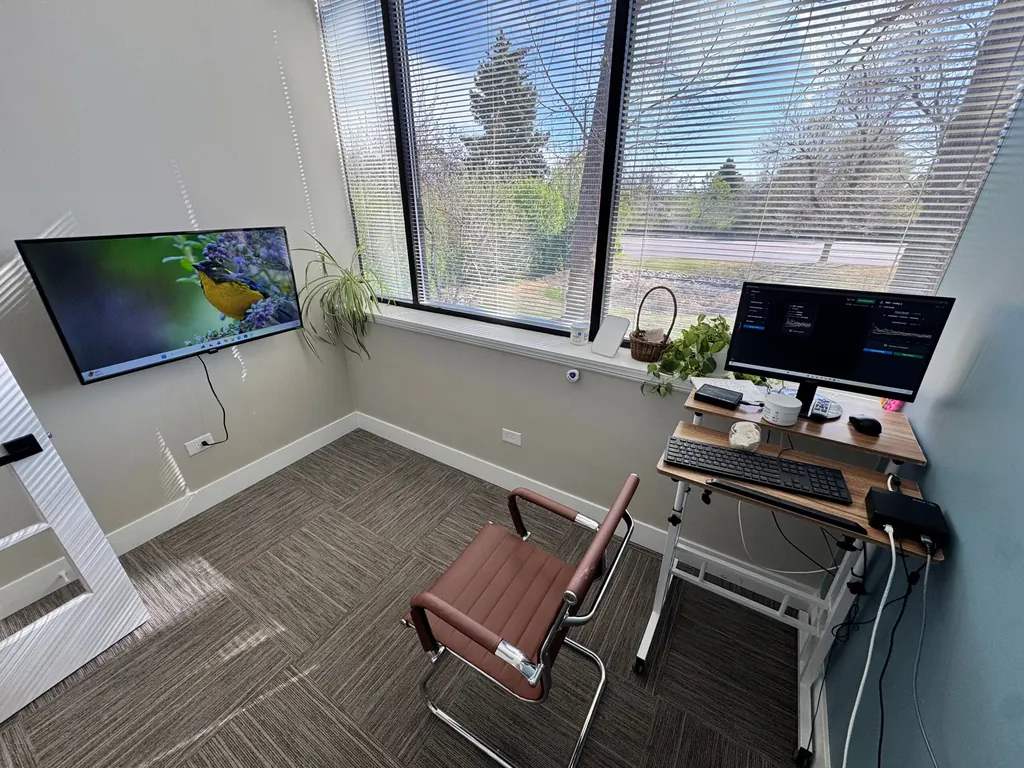
You sit in a comfortable chair in our neurofeedback room. A few small sensors are placed on your scalp with a little conductive gel, and you watch a show or listen to audio while the system reads your brain activity.
When your brain moves toward the target pattern, the picture stays bright or the sound plays smoothly. When it drifts away, the picture dims or the sound fades a little. You don’t have to try hard or do anything special; the feedback does the work. Most people find sessions calm, and children usually take to it quickly because the feedback comes through something they’re already watching.
Measured first
Why does neurofeedback start with a qEEG brain map?
Because every brain is different, and training should fit the person in the chair. A brain map gives Dr. Dody a measured picture of how your brain is working before he suggests anything.
The map is recorded with a 20-channel cap that reads electrical activity across the brain’s surface. Your patterns are compared with an age-matched reference database, which shows where activity looks higher, lower or less coordinated than expected. Dr. Dody uses that to decide whether neurofeedback makes sense and, if it does, how to set up your training. The map is repeated partway through so you can both compare it with where you started.
A brain map is an assessment, not a diagnosis. It doesn’t diagnose ADHD, anxiety, depression or anything else; only a licensed clinician can do that. What it does is replace guessing with a measurement.
Who it’s for
Who comes to Dody Chiropractic for neurofeedback?
Children from about age five, teens and adults. People usually come to us with one or more of these concerns, often after trying other things first.
- Focus and attention
- Anxiety and stress
- Low mood
- Sleep
- After a concussion
- Headaches and migraines
- Memory and brain fog
- Children and teens
Whether neurofeedback is a reasonable option for you is something Dr. Dody talks through on the free call and again after your brain map. Individual results vary, and we don’t promise outcomes.
How it goes
From first call to first session
Step 1: Free call
Tell Dr. Dody what’s going on. He’ll explain how neurofeedback works here and whether he thinks it’s worth exploring.
Step 2: Brain map + exam
At your first visit we record your qEEG brain map, along with nerve scans and an exam.
Step 3: Your findings
Dr. Dody walks you through your map in plain language and lays out the options and the cost before anything is scheduled.
Step 4: Training, if you choose
If you decide to go ahead, sessions are planned from your map and progress is checked along the way.
How is neurofeedback different at a chiropractic practice?
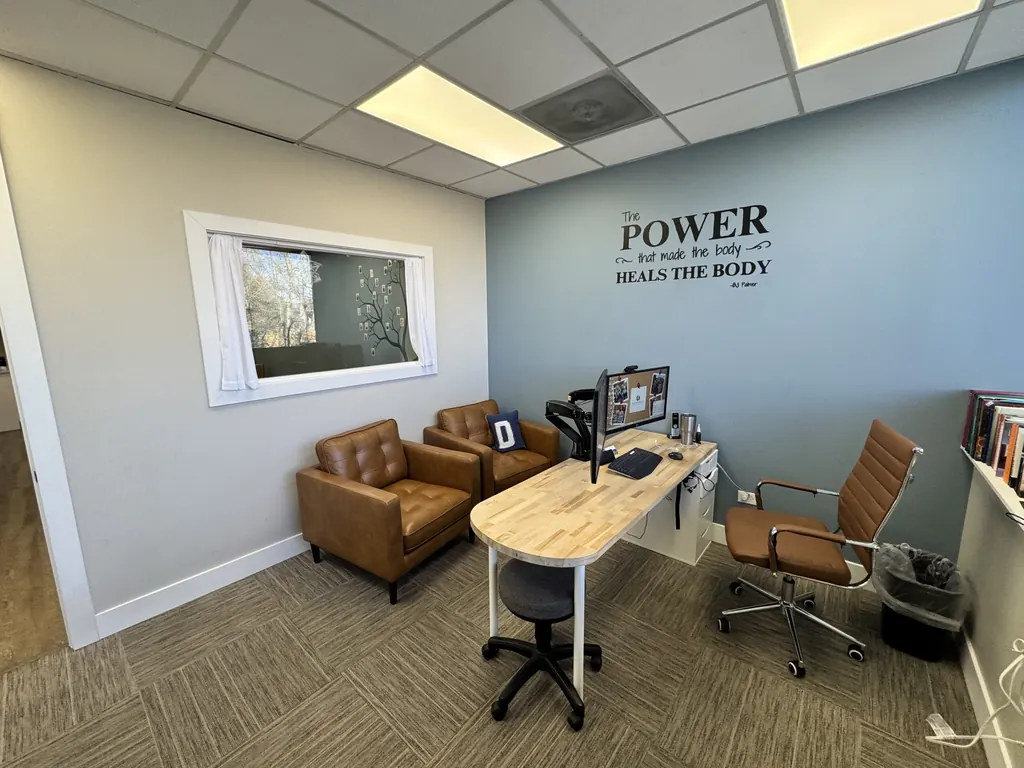
Dr. Dody is both a chiropractor and a certified neurofeedback specialist, so he looks at the brain and the spine as one nervous system rather than two separate problems.
In practice that means your first visit looks at more than your brain map. It also includes nerve scans and a full neurological and chiropractic exam. For some people, gentle chiropractic care or a review of blood work and nutrition sits naturally alongside neurofeedback. For others, neurofeedback on its own is the right fit. Dr. Dody will tell you which he thinks applies to you, and why.
Does neurofeedback replace medication?
No. Neurofeedback and medication do different jobs, and one isn’t a substitute for the other.
Many people who come to us take medication, and that’s fine. Decisions about medication belong to you and your prescribing doctor. Please don’t start, stop or change any medication without talking to them first.
Is neurofeedback safe? Does it hurt?
Neurofeedback is non-invasive and painless. The sensors only read activity your brain is already producing; nothing is sent into the brain, and there are no needles.
The most common complaint is a little gel in your hair afterward. If anything about a session feels off, tell us and we’ll adjust it. Dr. Dody oversees every plan and will check in with you as you go.
How many neurofeedback sessions will I need?
We can’t tell you that before we’ve seen your brain map, and we won’t promise a number.
People differ, and so do their goals. After your map, Dr. Dody explains what he’d suggest, how progress will be checked (including a follow-up map), and what it costs. You decide from there, and you can ask questions at every step.
What does neurofeedback cost, and does insurance cover it?
Program costs depend on your plan, so Dr. Dody reviews pricing with you personally, before anything is scheduled.
We’re a cash-pay practice and don’t bill insurance or file claims. HSA and FSA cards are welcome, and you’ll get an itemized receipt you’re free to submit yourself. It isn’t that we’re outside your network. There isn’t a network for this kind of care. The free call costs nothing, and you can ask about cost then.
More questions about neurofeedback
Can children do neurofeedback?
Do I have to get chiropractic care too?
What if my brain map looks typical?
Do I need a diagnosis or a referral first?
Where do neurofeedback sessions take place?
How do I get started?
Your first step
Curious whether neurofeedback makes sense for you?
Talk it through with Dr. Dody first. Tell him what’s going on, ask anything, and he’ll tell you plainly whether he thinks neurofeedback is worth exploring. Free, and no pressure.
Prefer the phone? Call or text (303) 794-1737
- Free
- No pressure
- Littleton since 2003