
What we help with · Littleton, CO
Headaches and migraines
Recurring headaches and migraines involve the whole nervous system, from the muscles and joints of the neck to the brain itself. We look at both before suggesting anything.
What can recurring headaches and migraines look like?
People who come to us describe everything from a dull band of pressure around the head to throbbing headaches that come with light sensitivity, nausea or the need to lie down in a dark room.
Some notice headaches that start at the base of the skull or travel up from tight shoulders, often after long hours at a desk or behind the wheel. Others describe migraine episodes that seem to follow poor sleep, stress, skipped meals or screen time. Many have tried several things already and want a clearer picture of what’s going on.
These patterns aren’t a diagnosis. Headaches have many possible causes, and some need a medical work-up before anything else.
When should a headache be checked by a doctor?
Get emergency care right away (call 911) for a sudden, severe headache, often described as the worst headache of your life, or a headache that comes with confusion, weakness, numbness, trouble speaking, vision loss, a seizure, fever with a stiff neck, or follows a head injury.
See your doctor first if headaches are new, changing in pattern, getting steadily worse, waking you from sleep, or started after age 50. Dody Chiropractic is not an emergency or urgent-care service.
What causes tension headaches from the neck?
Headaches that seem to come from the neck are often linked to tight muscles and irritated joints in the upper neck and shoulders, which can refer pain into the head.
Long hours looking down at a phone or laptop, poor sleep positions, old injuries and ongoing stress can all keep those muscles working harder than they should. Because the neck and the nervous system are so closely connected, Dr. Dody looks at both rather than looking at the neck on its own.
How does Dr. Dody look at headaches?
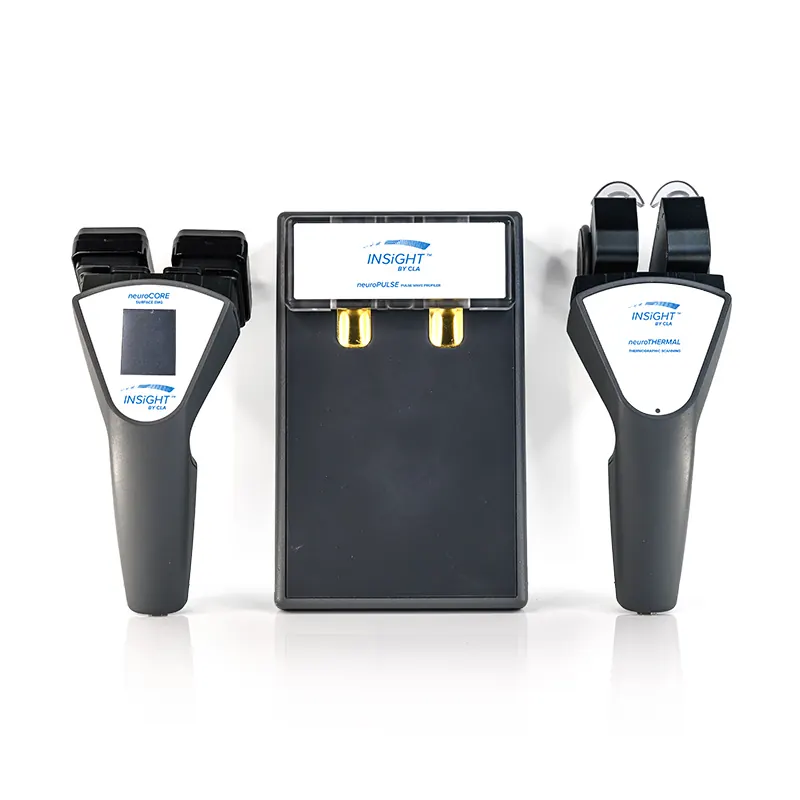
By measuring first. Your first visit includes a full neurological and chiropractic exam, three CLA INSiGHT nerve scans and a 20-channel qEEG brain map.
The nerve scans look at nervous system stress and muscle tension, including around the neck and shoulders. The brain map compares electrical activity across the brain with an age-matched reference database, which can show patterns worth exploring. Dr. Dody reviews every result himself and explains it in plain language.
A brain map is an assessment, not a diagnosis. It doesn’t diagnose migraine or anything else; only a licensed clinician can do that.
Can a chiropractor help with headaches?
For some people, especially when headaches seem tied to the neck and shoulders, gentle chiropractic care may be worth trying. Whether it’s a reasonable option for you is something Dr. Dody decides after your exam and scans.
Dr. Dody uses Koren Specific Technique (KST), a gentle approach that uses a small handheld instrument instead of manual force. There’s no cracking and no twisting, which matters to people who don’t want their neck manipulated. More about chiropractic care at Dody Chiropractic.
Can neurofeedback help with migraines?
Neurofeedback may be worth exploring for some people with recurring migraines, and the brain map is how Dr. Dody decides whether it makes sense for you. It isn’t a replacement for medical care for migraine.
Neurofeedback is non-invasive brain training. Sensors on the scalp read brainwave activity in real time, and the brain gets immediate feedback when it moves toward a more settled, regulated pattern. Nothing is sent into the brain. If it’s a fit, training is planned from your map and checked along the way. We don’t promise outcomes or a number of sessions; individual results vary. How neurofeedback works.
For some people, sleep, meals and nutrition are part of the picture too, and a functional nutrition review may sit alongside the rest of their care.
How does this fit with your doctor’s care?
It sits alongside it. Migraine and other headache disorders are diagnosed and managed by your physician, and our care is meant to complement that, not replace it.
If you’ve had imaging, blood work or a specialist’s assessment, bring the reports to your first visit. And if you take medication for headaches, decisions about medication belong to you and your prescribing doctor. When you’re ready, a free call with Dr. Dody is the simplest way to see whether a closer look makes sense.
How to start
From first call to a clear plan
Step 1: Free call
Tell Dr. Dody about the headaches and what you’ve tried. He’ll say plainly whether he thinks a closer look makes sense.
Step 2: First visit
Your new patient visit ($225) includes nerve scans, a qEEG brain map, an examination and your first gentle KST chiropractic adjustment.
Step 3: Report of findings
At your second visit, Dr. Dody reviews your results in plain language and discusses his recommendations. You can choose and begin a care plan if you’d like.
Questions about headaches and migraines
Does a chiropractic adjustment for headaches involve cracking the neck?
Can a brain map diagnose migraines?
Should I keep seeing my doctor for migraines?
Is it worth keeping a headache diary before my first visit?
Do you see children and teens with headaches?
Does insurance cover it?
Your first step
Wondering what’s behind the headaches?
Talk it through with Dr. Dody. Tell him when the headaches come and what you’ve tried, and he’ll tell you plainly whether he thinks gentle chiropractic, a brain map or both are worth exploring. Free, and no pressure.
Prefer the phone? Call or text (303) 794-1737
- Free
- No pressure
- Littleton since 2003