
Category: Nutrition

This is where you can find all our nutrition blogs.

  • Top 10 Myths About Nutrition You Need to Stop Believing

    top 10 myths about nutrition that cause you to gain weight

    When it comes to nutrition, we’re constantly bombarded with mixed messages. Myths about what’s healthy and what’s not have a way of sticking around, confusing people about what’s best for their health. As a wellness chiropractor focused on functional nutrition, I often hear these myths repeated by patients who genuinely want to improve their well-being. So, let’s bust these myths once and for all and get clear on the fundamentals of a healthy diet!

    Myth 1: All Calories Are Created Equal

    calories help with weight loss

    When people talk about calories, it’s often in the context of weight loss or weight gain. But the truth is, not all calories are created equal. A calorie from processed foods like a doughnut, loaded with added sugar and trans fats, doesn’t provide the same nutritional value as a calorie from nutrient-rich foods like a handful of almonds. Foods high in refined carbohydrates and added sugars may add up in calories but lack the essential nutrients that our bodies need to thrive.

    Why Nutrient-Dense Foods Matter More Than Calories

    Focusing on nutrient-dense foods like fruits and vegetables, lean meats, whole grains, and healthy fats can make a significant difference in achieving optimal health. These foods provide fiber, essential amino acids, vitamins, and minerals that support immune function, energy, and overall wellness. When you choose whole grains over refined carbs, for instance, you’re fueling your body with nutrients that promote satiety and help regulate blood sugar levels, making it easier to manage your weight and avoid cravings.

    The key takeaway? It’s not just about the number of calories, but the quality. Prioritizing foods with high nutritional value and avoiding highly processed foods can lead to better health outcomes, beyond just the calorie count.

    Myth 2: Low-Fat Diets Are Healthier
    low fat diets are not healthier unlike a gluten free diet

    For years, fat was considered the ultimate enemy, and low-fat diets became widely popular. Many food manufacturers responded by removing fat from their products, but to make these items palatable, they added sugar and refined carbohydrates. This swap may have improved the taste, but it also increased calories and made it easier for people to gain weight. Ironically, these “low-fat” options often lead to weight gain rather than helping people lose weight, as they lack the nutritional value needed to keep you full.

    The Downside of “Low-Fat” Foods and Hidden Sugars

    When fat is stripped from foods like fat-free yogurt, salad dressings, and processed snacks, they often lose flavor. To compensate, manufacturers add added sugars and refined ingredients, which may taste good but don’t provide any key nutrients. These sugars can lead to blood sugar spikes, increased hunger, and more calories consumed over time. So, while low-fat foods may sound like a healthy choice, they often create more cravings and make it harder to achieve your weight loss goals.

    Why Healthy Fats Are Key to a Balanced Diet

    In reality, not all fats are bad. In fact, high-fat foods from sources like olive oil, nut butter, and full-fat yogurt are vital for brain health, hormone regulation, and keeping you satisfied after meals. Including whole foods rich in vital nutrients and fats — such as avocados, fatty fish, and nut butters — can help with weight management by stabilizing blood sugar levels, preventing excess calorie intake, and providing the sustained energy your body needs.

    Personal Tip: When I shifted to a diet that included balanced amounts of healthy fats, I noticed I stayed full for longer and experienced more consistent energy. My favorite snack is apple slices with almond butter — a combo that’s high in nutritional value, providing natural sugars and core nutrients to fuel my day.

    Myth 3: You Need to Avoid Carbs to Lose Weight
    Carbohydrates often get a bad rap, especially with the popularity of low-carb and fad diets focused on losing weight quickly. But the truth is, not all carbs are created equal. While refined carbohydrates like white bread and sugary snacks can lead to weight gain due to added sugars and lack of fiber, complex carbs from vegetables and seasonal fruits provide steady energy and critical nutrients that contribute to a healthy, balanced diet.

    The Role of Complex Carbs in a Balanced Diet

    Instead of eliminating carbs altogether, focus on complex carbohydrates from nutrient-dense sources like sweet potatoes, carrots, and occasional whole fruits and vegetables when they’re in season. These foods are packed with fiber, vitamins, and minerals that help support digestive health and offer health benefits that contribute to optimal health. Whole grains can also be beneficial in moderation, providing nutrients that aid in sustaining energy and managing blood sugar levels.

    By choosing high nutrient foods and balancing your macronutrients — fats, proteins, and carbs — you can create a diet that not only helps with weight loss goals but also supports long-term wellness. Avoiding highly refined foods and focusing on foods rich in nutritional value can prevent the energy crashes that often come with diets heavy in refined carbs and added sugars.

    Myth 4: Detox Diets Are Necessary for Cleansing

    Detox diets have surged in popularity, claiming to cleanse the body and reset health. While some of these are fad diets with minimal long-term benefits, there’s a more personalized approach to supporting your body’s natural detoxification processes. Through hair toxicity testing, we can assess whether your body is effectively using its natural detox pathways or if it may benefit from extra support through specific nutrients.

    Supporting Your Body’s Natural Detox Process

    In our office, we often see that when a person’s body holds on to heavy metal toxicity, it can make losing weight much more challenging. These toxins can disrupt metabolic function, making it difficult to shed excess weight and affecting overall optimal health. Hair toxicity testing allows us to determine if heavy metals may be hindering these processes and enable us to create a targeted plan with the right nutrients to support efficient detoxification.

    Instead of relying on restrictive detox or detox diets, a balanced approach involves proper hydration, fiber-rich foods, and plenty of fresh produce like fruits and vegetables. These power-packed foods provide antioxidants and fiber that naturally support the body’s detox pathways, aiding in healthy toxin elimination. With insights from toxicity testing, we can create a plan to enhance your body’s natural detoxification abilities, making it easier to reach your health and weight management goals.

    Myth 5: You Need to Avoid Salt

    Salt often gets a bad reputation, with many people thinking it should be avoided entirely. However, sodium is an essential nutrient that plays a key role in hydration, nerve function, and muscle health. The real issue lies not in the salt itself but in the type and quantity we consume.

    Choosing the Right Kind and Amount of Salt

    While processed foods are typically high in refined, heavily processed salt, using natural salts like sea salt or Himalayan salt in moderate amounts can actually benefit your health. These types of salt contain trace minerals that support electrolyte balance, which is essential for overall wellness. It’s the hidden salts in processed and packaged foods that tend to lead to excess intake, not the small amounts you might add to a home-cooked meal.

    How to Use Salt Wisely

    Instead of avoiding salt altogether, aim to use it purposefully. Enhance your meals with natural salts, and focus on a diet rich in fresh produce and whole foods. This way, you’re in control of your salt intake and can avoid the excess sodium that’s often hidden in processed foods. By choosing the right type and amount, you can keep your salt intake balanced, supporting your health without overdoing it.

    Myth 6: Cholesterol Causes Heart Disease
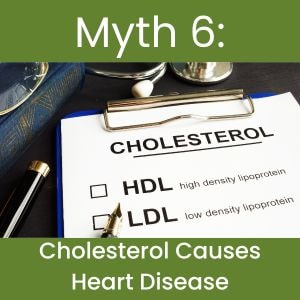
    For years, dietary cholesterol has been blamed as the main culprit behind heart disease. However, the relationship between cholesterol levels and heart health is more complex than previously thought. While high cholesterol can be a risk factor, it’s essential to understand that cholesterol itself isn’t solely responsible for causing heart disease. In fact, your body needs cholesterol for vital functions, including producing vital nutrients like vitamin D and hormones.

    Understanding the Role of Cholesterol in Heart Health

    Not all cholesterol is created equal. High-density lipoprotein (HDL), often called “good” cholesterol, helps clear excess cholesterol from the bloodstream, while low-density lipoprotein (LDL), or “bad” cholesterol, can lead to plaque buildup if it oxidizes. It’s important to consider lifestyle factors, including diet, physical activity, and consumption of processed foods with added sugars and trans fats, which can contribute to inflammation and elevate heart disease risk more than cholesterol itself.

    Supporting Heart Health with Whole Foods

    Instead of focusing solely on lowering cholesterol, aim to eat a diet rich in nutrient-abundant foods like fruits and vegetables, whole grains, and good fats such as olive oil and fatty fish. These foods contain antioxidants and fiber that support cardiovascular health, lower inflammation, and promote overall optimal health. Limiting saturated and trans fats from highly processed foods can also reduce risk factors associated with heart disease. By prioritizing a balanced diet and lifestyle, you’re doing more for your heart health than just targeting cholesterol levels alone.

    Myth 7: Breakfast Is the Most Important Meal of the Day
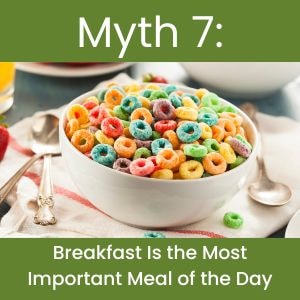
    Most people eat cereal, it would be better to eat high fat dairy products

    One of the long-standing nutrition myths is that “breakfast is the most important meal of the day.” Many believe that eating breakfast jumpstarts metabolism and is essential for health. However, recent studies and approaches like intermittent fasting suggest this isn’t necessarily true for everyone. Skipping breakfast or delaying it through intermittent fasting has shown benefits, including helping the body manage blood sugar levels, reducing inflammation, and supporting weight management by encouraging the consumption of fewer calories overall.

    The Benefits of Intermittent Fasting for Blood Sugar and Inflammation

    For many people, intermittent fasting — often meaning the first meal is later in the day — allows for natural blood sugar regulation and can lead to a reduced risk of health issues. By taking a break from constant eating, the body has time to balance insulin levels, control inflammation, and promote better metabolic health. With this approach, Americans consume fewer empty calories that often come from processed breakfast items, leading to better weight management and long-term wellness.

    Finding What Works Best for Your Body

    If breakfast gives you energy and helps you feel your best, there’s no need to give it up. But for those who prefer intermittent fasting, focusing on nutritionally packed foods later in the day can be just as beneficial. Whether you choose breakfast or delay eating, the key is to prioritize whole foods like fiber-rich vegetables, high quality fats, and proteins, which provide lasting energy and help support optimal health.

    Myth 8: Eating Small Meals All Day Will Help You Lose Weight
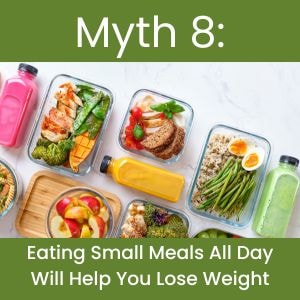
    You don't need small meals, even for gluten free foods or dairy foods

    There’s a common belief that eating small, frequent meals throughout the day will help you lose weight by boosting metabolism and preventing hunger. However, there isn’t strong scientific evidence to support this claim. Unless you have a specific medical condition, eating fewer, balanced meals can actually make it easier to control calories and stay on track with a healthy diet.

    The Reality of Smaller, Frequent Meals

    For most people, eating small meals all day may lead to over-snacking, making it harder to manage calorie intake effectively. While frequent meals can help some individuals maintain blood sugar levels, eating fewer, well-rounded meals often promotes better satiety and helps prevent overeating. This approach can encourage more mindful, balanced food choices, like incorporating lean meats, whole grains, and fresh produce with high nutritional value.

    Ultimately, the key to effective weight management is finding an eating pattern that aligns with your energy needs and keeps you satisfied without excess calories. Choosing nutrient-dense foods and making thoughtful food choices will support both your weight goals and optimal health in the long term.

    Myth 9: Organic Food Isn’t Worth the Money

    Buy organic as often as possible, even frozen or canned fruits

    Organic food can sometimes be more expensive, leading people to wonder if it’s really worth it. But there are definite benefits, especially for certain fruits and vegetables that are more likely to carry pesticides, like strawberries, apples, and leafy greens. Choosing organic options can be particularly helpful for those with sensitivities or chronic health issues, such as digestive and kidney diseases or celiac disease, where reducing toxin exposure may support overall health.

    Fruits & Veggies to Buy Organic

    When it comes to choosing produce, many people are concerned about the chemicals sprayed on conventionally grown foods. One such chemical, glyphosate, is a widely used herbicide and a known carcinogen. Studies have linked glyphosate and other pesticides to potential health risks, especially when they are consumed regularly through fruits and vegetables. To reduce exposure to these chemicals, it’s helpful to prioritize buying organic for certain produce items that tend to carry higher pesticide residues.

    High-Pesticide Produce: Best to Buy Organic

    These fruits and vegetables frequently appear on the “Dirty Dozen” list, which ranks produce with the highest levels of pesticide residues. For these, organic is the better option:

    • Strawberries: Strawberries consistently top the “Dirty Dozen” list due to their high pesticide content, making organic a priority.
    • Spinach: Spinach often has a high level of pesticide residue, so buying organic can help reduce exposure.
    • Kale: Another “Dirty Dozen” item, kale can be sprayed with multiple pesticides, so organic is a good choice to limit potential toxins.

    Lower-Pesticide Produce: Safe to Buy Conventional

    For produce that tends to have lower pesticide residues, conventional options may be a safer choice:

    • Avocados: The thick skin acts as a natural barrier, reducing pesticide exposure, making conventionally grown avocados a good choice.
    • Onions: With their outer layers removed before eating, onions generally have low pesticide residue.
    • Pineapples: Like avocados, pineapples are peeled, reducing pesticide exposure, so conventional options are often acceptable.
    • Sweet Corn: Typically protected by its husk, sweet corn has relatively low pesticide residues.

    Making Informed Choices for Health

    While choosing organic can be beneficial for high-pesticide produce, conventionally grown options with low pesticide residues can be a good choice if you’re on a budget. Ultimately, the decision to buy organic or conventional depends on your individual health priorities and concerns about pesticide exposure. If reducing potential carcinogens like glyphosate is important to you, focusing on organic options for high-risk produce can be an effective step toward minimizing toxin exposure.

    Myth 10: Red Meat Is Bad for You

    Meat is needed for essential amino acids, you can't just eat plant foods

    Red meat often gets a bad reputation due to concerns about saturated fats, cholesterol, and links to health issues. However, the truth is that the quality of the meat makes a significant difference. When sourced responsibly, free-range, grass-fed, and hormone-free red meat can be an excellent source of high-quality protein and essential nutrients.

    Why Quality Matters in Red Meat

    High-quality red meat that’s free from antibiotics and growth hormones offers benefits like complete proteins and essential nutrients like iron, zinc, and B vitamins, which are crucial for energy and muscle health. Grass-fed meat also has a healthier fatty acid profile, including higher levels of omega-3s, which support heart and brain health. The issues often arise with conventionally raised, processed red meats, which can contain additives and unhealthy fats.

    Enjoying Red Meat as Part of a Balanced Diet

    If you’re a meat-eater, choosing grass-fed, pasture-raised red meat can be part of a balanced, nutritious diet. Combine it with fresh vegetables and whole grains to round out your meals and add even more nutritional value. Moderation and quality are key — it’s less about avoiding red meat and more about making mindful, high-quality choices that support your health.

    Personal Tip: In our wellness center, we encourage patients to look for local or trusted sources of meat. It’s amazing how much difference the right source can make in terms of both flavor and nutritional impact.


    Final Thoughts

    Nutrition doesn’t have to be complicated. By letting go of these myths and focusing on whole, nutrient-loaded foods, you’ll be on your way to optimal health. Remember, there’s no one-size-fits-all approach to eating healthy. Start by listening to your body, choosing real food over processed, and making sustainable choices that work for your lifestyle. With these tips, you’ll be better equipped to navigate the world of nutrition and find what truly makes you feel your best.

    Ready to take control of your health and eliminate hidden toxins from your diet? At our wellness center in Littleton, CO, our functional nutrition services are designed to help you make the most informed, powerful choices for your well-being. With personalized guidance, we’ll help you navigate nutrition myths, identify key areas to boost your health, and create a plan that’s right for you. Don’t let misinformation hold you back from feeling your best—contact us today to start your journey toward vibrant, lasting health!

  • Are You Eating Too Much Sugar?

    Blog banner that reads Decoding the Truth: Is Sugar That Bad for You?Decoding the Truth: Is Sugar That Bad for You?


    Pondering, ‘Is sugar that bad for you?’ The straight answer is that while sugar isn’t inherently evil, its overconsumption is linked to significant health risks. This article cuts through the confusion to explain how sugar affects your body and why moderation is key, equipping you with the knowledge to make better dietary decisions.

    Key Takeaways

    • Excessive consumption of added sugars from processed foods and sugary drinks is linked to health problems like obesity, heart disease, and diabetes, highlighting the need for careful moderation.
    • Natural sugars in whole foods such as fruits and milk are accompanied by fiber, vitamins, and minerals, making them a healthier choice over processed foods with added sugars like high fructose corn syrup.
    • Strategies for reducing sugar intake include making informed choices by reading food labels, swapping sugary beverages for healthier options, and focusing on a balanced diet rich in whole foods.

    Understanding Different Types of Sugar

    different types of sugar, natural sugar, brown sugar, refined carbs, foods and drinks

    Our bodies utilize sugar, a form of carbohydrate, as a source of energy. It’s important to distinguish between the various types of sugars because they all affect our health differently. Natural sugars are those present in whole foods, while added sweeteners appear in processed items and have distinct effects on our physiology.

    We will delve into the diverse sugar categories and discuss how consuming too much can impact one’s health.

    Natural Sugars

    Nature provides its own sweeteners. Found in whole foods, natural sugars such as fructose from fruit and lactose from milk come bundled with essential fiber, vitamins, and minerals that are advantageous for the body. These beneficial elements contrast starkly with the empty calories present in processed foods. Whole food-based natural sugars offer a lower sugar quantity and contribute to overall health benefits, distinguishing why choosing an apple is vastly different from opting for a candy bar.

    Table Sugar

    The narrative around table sugar isn’t quite as pleasant. The typical sweetener is known to lead to swift spikes in blood sugar levels, which then plummet, prompting a yearning for even more sugar. Over time, indulging excessively in added sugars may set the stage for serious health issues such as obesity, heart disease, and type 2 diabetes.

    Understanding the impact of table sugar offers a valuable perspective on how our consumption of sugary substances might harm our well-being.

    High Fructose Corn Syrup

    The pervasive inclusion of high fructose corn syrup in sugary drinks and processed foods is a key factor driving the excessive sugar consumption prevalent in contemporary diets. This sweetener, often hidden within numerous food products, may overburden the liver when consumed in large amounts, potentially causing fat buildup and elevating the risk of heart-related illnesses. Consequently, corn syrup represents an insidious hazard to our health due to its widespread use and contribution to elevated sugar intake.

    The Dark Side of Excessive Sugar Consumption

    dark side of too much added sugar, consuming sugary drinks, high blood sugar level

    Public health is significantly impacted by the high intake of added sugars, particularly among children and adolescents who are consuming alarming levels. Herein lies a discussion on the myriad health issues that can stem from excessive sugar consumption—including weight gain, heart disease, and diabetes—highlighting the critical necessity to recognize the potential health risks associated with elevated sugar intake.

    Weight Gain

    The connection between consuming sugary foods and experiencing weight gain is as obvious as the added sugars present in a soda bottle. Snacks and drinks that are loaded with calories yet offer minimal nutritional value can result in obesity and weight gain if they’re eaten too frequently.

    Understanding this relationship may steer us towards smarter dietary decisions, helping us avoid unnecessary consumption of empty calories.

    Heart Disease

    Consuming excessive sugar can affect not only one’s weight but also the health of their heart. Elevated blood pressure and chronic inflammation, both significant risk factors for heart disease, may result from too much sugar in the diet. These health risks become even greater when factoring in the prevalent use of processed foods and sugar-sweetened beverages. This connection between our penchant for sweetness and public health concerns underscores how our collective sweet tooth might contribute to higher incidences of heart disease.

    Diabetes

    With diabetes becoming increasingly common, conventional management strategies are failing to halt its spread. The contribution of high sugar consumption, especially from high fructose corn syrup, signifies a need for substantial changes in our dietary patterns and a reduced sugar intake to tackle this problem effectively.

    How Much Sugar Should You Consume?

    how much of a daily sugar habit is too much, what is the daily intake of sugar in a healthy diet

    Steering through our diets’ sugary landscape can be complex, yet there are established guidelines that help avoid health complications tied to consuming too much sugar. These directives propose maintaining refined sugars at a minimal proportion of our daily calorie consumption and curtailing the amount of sugar-sweetened drinks and edibles we ingest.

    In this exploration, we will decode what these guidelines mean for our dietary patterns and identify strategies to achieve an equilibrium in sugar intake.

    Dietary Guidelines

    Dietary guidelines recommend limiting added sugars to under 10% of daily calories for adults and completely abstaining from added sugars for children younger than two years old to maintain a balanced diet and fend off chronic diseases linked to excessive sugar consumption. These key points are essential in guiding us toward healthy sugar consumption levels.

    Tips for a Balanced Diet

    A nutritious diet goes beyond simply cutting down on sugar. It involves a commitment to consuming whole foods that are packed with vital nutrients. These should include a variety of:

    • fruits
    • vegetables
    • lean proteins
    • whole grains

    By integrating these into our daily diets, we not only bolster our general well-being but also maintain satiety, which aids in curbing the desire for high-sugar foods.

    Reading Food Labels: A Guide to Identifying Added Sugars

    woman reading food label on baked goods to find how many grams of sugar are added

    Embarking on the journey to control sugar consumption requires mastering the art of interpreting food labels, which can often feel like acquiring a new linguistic skill. The plethora of terms used for added sugars and the confusing overlap between natural and added sugars on nutrition labels complicate efforts to make educated decisions about what we eat.

    In this segment, we aim to guide you through the complex world of food labels in order to reveal hidden sources of added sugars lurking within your pantry items.

    Nutrition Labels

    Nutrition labels guide what’s in our food but aren’t always clear about sugars. They show the total amount of sugar present but fail to distinguish between natural and added sugars. This lack of clarity can hide the actual amount of added sugar in foods and beverages, highlighting the need for consumers to be vigilant and knowledgeable when browsing supermarket aisles.

    Alternative Names for Sugar

    Sugar often masquerades under various pseudonyms on food labels. Recognizing these substitute terms for sugar is crucial for those aiming to decrease their sugar consumption. Such knowledge enables individuals to select options that are consistent with dietary guidelines and their personal health objectives. Here are some common alternative names for sugar:

    • Agave Nectar
    • Barley Malt
    • Beet Sugar
    • Brown Sugar
    • Cane Juice
    • Cane Sugar
    • Caramel
    • Corn Syrup
    • Dextrose
    • Fructose
    • Fruit Juice Concentrates
    • Glucose
    • High Fructose Corn Syrup

    By recognizing these different names for sweeteners, you can make more informed and health-conscious decisions regarding your food choices.

    Artificial Sweeteners

    Artificial sweeteners provide the sweetness we crave without adding calories, although they have their share of debates. They may serve as an advantageous option for those aiming to cut down on sugar intake, but people dealing with certain health issues should exercise care when using them. However, we don’t recommend artificial sweeteners. Instead, use sugar alcohols like xylitol and sorbitol or natural sweetener stevia, which is our go-to.

    Understanding how these alternatives work and their potential impacts is crucial for effectively controlling sugar consumption.

    Tips for Reducing Sugar Intake

    how to reduce sugar intake

    Many strive to reduce their sugar intake, yet the path to success can be obscure. One can implement tactics such as exchanging sugary drinks with more nutritious alternatives, mastering craving control, and deciphering food labels—all of which contribute to a decrease in sugar consumption.

    Embracing these recommendations may lead to a healthier eating pattern and diminish the likelihood of chronic diseases associated with excessive sugar intake.

    Swapping Sugary Beverages

    Consuming liquid calories from sugary beverages, such as soft drinks and sweet teas, can accumulate quickly. There are a variety of delightful substitutes to choose from.

    • Water enriched with natural essence
    • Iced tea or coffee without added sugar
    • Sparkling water enhanced with just a hint of fruit juice
    • Herbal infusions
    • Natural coconut water

    Opting for these choices instead of traditional soft drinks and other sugar-sweetened beverages can dramatically reduce one’s sugar intake.

    Implementing these simple replacements in our diet could profoundly transform our overall sugar consumption and positively impact our health.

    Making Healthier Food Choices

    Choosing what we eat can support or fuel our reduction of sugar intake. By focusing on whole foods and selecting snacks with minimal added sugars that are also nutrient-rich, we can sidestep the health dangers of consuming a sugar-rich diet.

    Selecting more wholesome substitutes may improve well-being and promote a balanced nutritional regime.

    Controlling Your Sweet Tooth

    Finding equilibrium and moderation is key to managing cravings for sugar. Opting for fruits instead of reaching for processed treats laden with sugar can help keep our sweet tooth in check while still allowing us to indulge responsibly.

    Implementing this approach helps reduce our sugar intake and encourages a lasting, healthy way of living that doesn’t feel restrictive.

    The Role of Sugar in Oral Health

    woman holding tooth with cavity from sugar

    The impact of sugar reaches a high level. Than just affecting our body weight. It plays a crucial role in the health of our teeth. A direct and harmful link exists between the intake of sugar and dental issues like cavities, especially when consuming sticky foods such as dried fruits that pose extra risks.

    An in-depth exploration of how sugar affects dental well-being will be conducted, and strategies will be discussed to protect against these effects on oral hygiene.

    Tooth Decay

    Consuming excessive amounts of sugar is detrimental to dental health. By ingesting more sugar, we supply plaque-causing bacteria in our oral cavity with additional energy. These microorganisms then secrete acids that wear away the enamel on our teeth and result in cavities.

    One simple method to maintain healthy teeth and avoid decay is by lowering sugar intake.

    Dried Fruit and Teeth

    The seemingly healthy choice of dried fruits for snacking may pose a dental risk due to their clingy nature. When they adhere to the teeth, they become an ample source of nourishment for bacteria, which raises the potential for cavity formation.

    To mitigate the effect on dental health, consuming dried fruits during regular meals is advisable instead of as standalone snacks.

    Summary

    Sugar is an integral part of our diets, but excessive consumption poses serious health risks. This blog post has explored sugar’s sweet and bitter truths, from the different types of sugar and their effects on our bodies to the recommended dietary guidelines and tips for reducing intake. Let’s embrace the knowledge we’ve gained to make empowered choices that sweeten our lives in healthier ways.

    Frequently Asked Questions

    What is the main difference between natural and added sugars?

    Natural sugars are present in whole foods, which also provide vital nutrients. In contrast, added sugars contribute no nutritional benefit and are infused into food during processing or preparation. Curtailing the intake of added sugars is advisable for improved health outcomes.

    How does excessive sugar intake contribute to weight gain?

    Excess sugar consumption often results in weight gain, as it increases calorie intake and may substitute for more nutritionally valuable foods, ultimately increasing overall body weight.

    What are some common hidden names for sugar on food labels?

    Stay vigilant when reading food labels and be aware of other terms that indicate added sugars, such as high fructose corn syrup, fruit juice concentrates, agave nectar, and malt syrup.By recognizing these different names for sweeteners, you can make more informed and health-conscious decisions regarding your food choices.

    Are artificial sweeteners a healthier alternative to sugar?

    Artificial sweeteners might help lower calorie consumption and control blood sugar levels, yet they aren’t necessarily appropriate for all individuals, particularly those with specific health issues. When selecting sweeteners, it is crucial to consider personal health considerations.

    How can I reduce my sugar intake without feeling deprived?

    To reduce your sugar consumption while still feeling satisfied, use natural alternatives to sweeten beverages and foods, such as stevia.

    Contact Us

    Are you ready to take control of your health through better nutrition? Contact our wellness center in Littleton, CO, to learn more about our functional nutrition services. Our team at Dody Chiropractic Center for Wholeness is here to help you make informed dietary choices that can improve your overall well-being. Let’s embark on this journey to better health together!

  • Heavy Metal Toxicity

    Banner image From Fatigue to Foggy Brain Recognizing heavy metal toxicityFrom Fatigue to Foggy Brain: Recognizing Heavy Metal Toxicity

    Hey there! Are you feeling more tired than usual lately? Or maybe you’re finding it hard to concentrate like your brain is wrapped in a thick fog? Well, you’re not alone. As someone who’s dedicated their life to helping families achieve optimal wellness, I’ve seen firsthand how the chemical form of heavy metal poisoning can wreak havoc on our bodies. So, let’s dive into this topic together and shed some light on how to recognize the sneaky symptoms of heavy metal toxicity.

    Understanding Heavy Metal Toxicity

    Okay, before we discuss symptoms, let’s clarify what heavy metal toxicity is. Think of heavy metals as unwanted guests crashing a party in your body. They sneak in from various sources, such as contaminated water, food, or even deteriorating lead paint, and once they’re in, they start causing chaos. These metals can mess with your body’s normal functions, leading to various health issues, including oxidative stress and the production of reactive oxygen species.

    The Link Between Heavy Metal Toxicity and Symptoms

    Now, let’s talk about how heavy metal toxicity can mess with your everyday life. Have you ever felt like you could sleep for a week and still wake up tired? That could be heavy metal toxicity at play due to heavy metal poisoning. These toxic metals can throw a wrench into your energy production, leaving you feeling drained and sluggish.

    Oh, the dreaded brain fog! It’s like trying to think through a dense cloud sometimes, right? Well, heavy metals like hexavalent chromium (Cr VI) and inorganic arsenic have a nasty habit of sneaking into our brains and causing all sorts of cognitive issues, thanks to the compromised blood-brain barrier. Forgetfulness, difficulty concentrating, and even mood swings are signs that heavy metals are messing with your gray matter.

    Recognizing Heavy Metal Toxicity Symptoms

    Let’s break down some common symptoms to watch out for. On the physical side, heavy metal toxicity can manifest as random aches and pains, headaches that just won’t quit, or even weird skin rashes caused by heavy metal contamination in the environment or contaminated food. And if you suddenly shed more hair than your golden retriever, that could be a red flag, too.

    woman struggling with heavy metal poisoning

    But it’s not just physical symptoms to watch for. Your brain can take a hit, too, with symptoms like forgetfulness, trouble focusing, and feeling more anxious or down than usual. And let’s not forget about your gut – heavy metals can wreak havoc on your gastrointestinal tract, leading to bloating, constipation, and a whole lot of discomfort.

    Examples of Toxic Heavy Metals

    Let’s delve into a few examples of heavy metals that can accumulate in the body over time, wreaking havoc on our health. One notorious heavy metal is lead, which has been a concern for centuries due to its widespread use in industries like the primary metal industries and deteriorating lead paint. Lead poisoning, resulting from chronic exposure to even low levels of this metal, can lead to a myriad of health issues, including neurological symptoms such as cognitive impairment, abdominal pain, and even kidney disease. Children are particularly vulnerable to lead poisoning, with environmental contamination from sources like lead pipes in drinking water posing a significant risk to their health and development.

    Another heavy metal that often flies under the radar is aluminum. This metal is pervasive in our environment and found in chemical forms in everyday items such as skin-lightening creams, food additives, contaminated water, and even occupational exposure. Any exposure to aluminum can lead to oxidative stress and cell apoptosis, particularly in the central nervous system, where it can accumulate over time. While the body can handle small amounts of aluminum, high concentrations can have toxic effects on physiological functions, potentially contributing to conditions like Alzheimer’s disease and neurological disorders.

    Lastly, let’s talk about mercury, a heavy metal infamous for its toxicity. Mercury exposure can occur through environmental pollution, contaminated seafood, or dental amalgam fillings. The most concerning form of mercury is methylmercury, which can bioaccumulate in the food chain, leading to human exposure through fish and shellfish consumption. Chronic mercury exposure can result in neurological symptoms such as tremors, memory loss, and difficulty concentrating, as well as cardiovascular issues and kidney damage. Pregnant women and developing fetuses are particularly vulnerable to chronic poisoning, as mercury can cross the blood-brain barrier and interfere with neurological development, highlighting the importance of avoiding mercury exposure during pregnancy.

    heavy metal poisoning with mercury poisoning

    Organic Food Matters

    Opting for organic foods can offer a significant advantage in minimizing heavy metal exposure and promoting overall health. Organic farming practices prioritize soil health and natural fertilizers, reducing the risk of contamination from heavy metals commonly found in synthetic fertilizers and pesticides. Conventionally grown crops may absorb heavy metals from contaminated soil, water, or air, leading to higher levels in the final produce. In contrast, organic farming methods focus on maintaining soil quality through crop rotation, composting, and biological pest control, fostering a healthier environment for plants to thrive without the reliance on chemical inputs.

    Organic standards prohibit synthetic pesticides and herbicides that may contain heavy metal contaminants. By choosing organic foods, consumers can minimize their exposure to these harmful substances, reducing the risk of accumulating toxins in the human body over time. Additionally, organic livestock farming practices often prioritize pasture-based grazing and access to outdoor environments, which can result in higher-quality animal products with lower levels of environmental contaminants, including heavy metals.

    Fruits and vegetables to help reduce oxidative stress

    Furthermore, organic certification programs require rigorous testing and monitoring for pesticide residues and contaminants, including heavy metals, ensuring that organic foods meet stringent safety standards. While organic foods may sometimes be pricier than their conventional counterparts, the long-term health benefits of reducing exposure to heavy metals and other toxic substances justify the investment in organic produce, dairy, and meat products. Individuals can take proactive steps towards minimizing heavy metal exposure and supporting overall well-being by making informed choices and prioritizing organic options whenever possible.

    What About Vaccine Ingredients?

    Heavy metals, such as aluminum and mercury, are commonly found in some vaccines as adjuvants or preservatives. Aluminum salts, like aluminum hydroxide or aluminum phosphate, are often used as preservatives to enhance the body’s immune response to the vaccine. While aluminum is naturally present in the environment, and small amounts are commonly ingested through food and water, concerns have been raised about the potential health effects of increased aluminum exposure from vaccines, particularly in infants and young children. Similarly, mercury in thimerosal has been used as a preservative in some vaccines to prevent contamination. Despite efforts to reduce or eliminate thimerosal from vaccines, its presence in certain flu vaccines and other multi-dose vials remains a topic of debate regarding its safety, especially in vulnerable populations.

    The Importance of Seeking Professional Help

    Now, if any of this sounds familiar, reaching out to a pro for help is essential. Trust me, I’ve seen what a difference it can make. Whether it’s a family wellness chiropractor like myself or another qualified healthcare provider, they can help you determine if heavy metal toxicity is behind your symptoms and devise a game plan to kick those unwanted guests to the curb.

    And hey, if you’re unsure where to start, don’t worry. Finding a healthcare provider who’s experienced in heavy metal detox protocols might take a bit of digging, but it’s worth it. They’ll have the know-how to guide you through the process and get you back on track to feeling like yourself again.

    Case Study Example

    Let’s delve into a compelling case study of a 69-year-old patient who has made remarkable strides in managing his Parkinson’s disease symptoms through holistic treatment methods. Initially diagnosed with Parkinson’s and experiencing debilitating symptoms such as tremors, difficulty speaking, and a loss of enjoyment in daily activities, the patient embarked on a journey of recovery under the care of Dr. Van D. Merkle. Through a comprehensive approach that included chelation therapy to eliminate potentially toxic elements from his body, adjustments to his vitamin and mineral regimen, and lifestyle modifications, the patient experienced significant improvements in his condition.

    Despite the degenerative nature of Parkinson’s disease, the patient’s dedication to his treatment plan yielded impressive results. Within a few months, he saw a 40% improvement overall, with noticeable reductions in tremors and improved motor function. By addressing underlying deficiencies and imbalances identified through thorough testing, including blood tests, hair toxicity tests, and chelation challenges, the patient’s body became better equipped to eliminate toxic elements such as lead and mercury, which are known to interfere with normal brain function.

    Dr. Merkle emphasizes the importance of environmental factors in Parkinson’s disease, citing research linking symptoms to toxin exposure, particularly lead and pesticides. This underscores the significance of detoxification protocols in reducing future damage to nerve cells in the brain. The patient’s remarkable progress is a testament to the potential of integrative medicine approaches in managing chronic conditions and improving overall quality of life.

    factory smoke discharge of leading to lung cancer

    Pretty incredible, right? As we reflect on this inspiring journey of the patient’s recovery from Parkinson’s disease through holistic treatment, it’s essential to recognize that Parkinson’s is not the only condition linked to heavy metal exposure, nor is it the only ailment that can benefit from such integrative approaches. Heavy metal toxicity can manifest in a range of health issues, including but not limited to cardiovascular disease, respiratory diseases, kidney failure, neurological disorders, and even cancer. By addressing the root cause of toxicity and supporting the body’s natural detoxification processes, individuals may experience improvements in various aspects of their health beyond just the management of Parkinson’s symptoms. Now, let’s delve further into the broader implications of heavy metal toxicity and the potential for holistic interventions to promote overall wellness.

    Functional Nutrition at Dody Chiropractic

    Functional Nutrition is one of our specialties here at Dody Chiropractic Center for Wholeness in Littleton, CO. Functional Nutrition, rooted in the principles of Functional Medicine, offers a distinctive approach to wellness, focusing on the entirety of an individual rather than solely alleviating symptoms. Rather than merely masking symptoms with a prescription, Functional Nutrition delves into the root cause of ailments to foster comprehensive healing. For instance, if you were to seek medical attention for flu-like symptoms, a conventional doctor might prescribe medication and monitor your progress. However, we delve deeper into Functional Nutrition, exploring potential contributors such as stress, environmental toxins, sleep deprivation, or nutritional deficiencies. We aim to address these underlying factors holistically and across all bodily systems.

    family expressing optimal human health

    The objective of Functional Nutrition extends beyond symptom management to encompass preventative measures, aiming to battle future health issues. It’s a meticulously tailored approach, utilizing food as medicine and embracing holistic remedies to enhance overall health and well-being. This personalized plan prioritizes optimizing health through nourishment and comprehensive lifestyle adjustments, aligning with promoting vitality and longevity.

    Conclusion

    So, there you have it – a crash course in the world of heavy metal toxicity. If you’re feeling more tired, foggy, or just off than usual, it might be worth exploring whether heavy metals are to blame. And remember, you don’t have to tackle this alone. Contact our Littleton, CO wellness center; we will help you navigate the journey to better health. You deserve to feel vibrant and energetic, so don’t let heavy metals hold you back!

  • Unveil the Elixir of Life: 11 Miraculous Benefits of Fish Oil!

    Top 11 Benefits of Fish Oil

    Unveil the Elixir of Life: 11 Miraculous Benefits of Fish Oil!

    As a family wellness chiropractor and a fervent advocate for holistic health, I’ve seen firsthand how small changes can lead to significant health improvements. One often overlooked change is incorporating fish oil into our daily routine. Fish oil, rich in Omega-3 fatty acids, is not just another supplement; it’s a powerhouse of health benefits, a true elixir of life. Let’s dive into the benefits of fish oil and how they can enhance our well-being.

    1. Heart Health Hero

    The Lifesaver in Your Medicine Cabinet

    man holding heart symbolizing heart health

    Heart disease is a leading global health issue, but taking fish oil, rich in Omega-3 fatty acids like eicosapentaenoic acid (EPA) and docosahexaenoic acid (DHA), offers significant cardiovascular benefits. These fatty acids are crucial for managing cardiovascular disease and markers coronary heart disease like blood triglyceride levels, reducing arterial plaque, improving cholesterol profiles, and lowering heart disease risk.

    One of my patients, a man in his 50s grappling with severe high blood pressure, saw remarkable heart health improvement by adding fish oil supplements to his diet, coupled with KST chiropractic care and lifestyle changes. This holistic approach goes beyond numbers; it enhances life’s quality and joy.

    Research supports taking fish oil supplements for heart-protective properties, noting its role in reducing inflammation and maintaining flexible blood vessels, contributing to lower blood pressure and reduced clotting risks. A balanced diet and fish oil supplements can significantly promote heart health.

    Fish oil supplements are a ‘Heart Health Hero.’ Including it in your routine and professional healthcare and holistic practices like KST chiropractic offers a comprehensive path to heart wellness. It’s not merely about longevity; it’s about enriching the quality of life at every step.

    2. Inflammation and Pain Reduction

    Nature’s Answer to Chronic Pain-Fish Oil Supplements

    fish oil supplementChronic inflammation can transform the body’s natural defense into a relentless foe, leading to discomfort and various health issues. Here, fish oil supplement’s anti-inflammatory properties shine brightly, especially for conditions like rheumatoid arthritis. The Omega-3 fatty acids in oily fish, mainly EPA and DHA, play a critical role in dampening the inflammatory response, offering a natural, potent remedy.


    By incorporating fish oil supplements into your daily routine, you’re targeting chronic inflammation at its core, potentially reducing the need for medications. Its effects are so profound that they can rival those of nonsteroidal anti-inflammatory drugs (NSAIDs), offering a holistic approach to pain management.

    Pairing fish oil with Koren Specific Technique (KST) chiropractic care can amplify these benefits. The synergy between fish oil’s systemic anti-inflammatory properties and KST’s precise, patient-specific approach can significantly alleviate pain and enhance life quality. This combination addresses the root causes of pain, promoting overall health and well-being.

    Embracing fish oil supplements and eating fish as part of your wellness routine, especially with KST chiropractic care, can revolutionize your approach to managing chronic inflammation and pain. This powerful duo not only addresses symptoms but also supports a healthier, more vibrant life, free from the constraints of chronic pain.

    3. Cognitive Function and Brain Health

    A Sharp Mind at Any Age

    image of a brain with a light bulb symbolizing brain health

    The brain, rich in fats, thrives on Omega-3 fatty acids like EPA and DHA found in fish oil supplements. These essential nutrients are crucial for maintaining cognitive function, enhancing memory, and supporting overall brain health. Regular intake of fish oil has been associated with improved mental clarity and focus, akin to “oiling the gears” of the brain.

    Fish oil’s benefits extend to mental health, with studies suggesting a reduced risk of conditions like depression and anxiety due to its anti-inflammatory properties. Whether for boosting learning and memory or protecting against cognitive decline, a fish oil supplement is a simple yet impactful supplement for a healthy, resilient brain at any age.

    In short, fish oil is not just a supplement; it’s a key component in nurturing a sharp mind and emotional well-being, making it a valuable addition to any health-conscious individual’s routine.

    4. Eye Health Preservation

    For a Clearer Tomorrow

    woman pointing to her eye

    Our eyes significantly benefit from Omega-3 fatty acids, especially Docosahexaenoic acid (DHA) in fish oil. DHA is crucial for retinal health and clear vision, playing a vital role in protecting against age-related macular degeneration (AMD), a leading cause of vision impairment in older adults.

    Beyond AMD, fish oil’s Omega-3s are linked to reduced risk of conditions like dry eye syndrome and glaucoma, thanks to their anti-inflammatory properties. In today’s digital age, where screens constantly challenge our eyes, incorporating fish oil into your diet can be a proactive step toward maintaining long-term eye health.

    Fish oil is more than a supplement; it’s a vision protector. Regular intake can help ensure your eyes stay healthy and your vision remains clear, making it a worthwhile addition to your health regimen for a brighter, clearer tomorrow.

    5. Skin Health and Vitality

    Radiant Skin from Within

    beautiful woman with radient skin from fish oil supplements

    Taking fish oil, rich in Omega-3 fatty acids, is critical in maintaining skin health and vitality. These essential nutrients fortify the skin’s barrier function, ensuring hydration and resilience, and offer potent anti-inflammatory properties beneficial for conditions like eczema or psoriasis.

    Omega-3s in fish oil may help protect the skin against UV damage, reducing the risk of premature aging. However, while fish oil supports skin health, it complements, not replaces, natural sunscreen and other protective measures against UV exposure.

    A holistic approach to skin health involves proper skincare, balanced nutrition, and supplements like fish oil. By nourishing your body from within, you lay the foundation for radiant, healthy skin, proving that actual skin vitality is more than skin deep.

    6. Boosting Immune Function

    Your Shield Against Illness

    A robust immune system is vital for warding off pathogens, and fish oil, rich in Omega-3 fatty acids, is a critical ally in strengthening our immune defense. These Omega-3s, particularly EPA and DHA, help regulate inflammation and ensure a balanced immune response. They modulate immune cell activity and provide extra protection when diseases like flu season are rampant.

    While fish oil offers significant immune support, it’s most effective as part of a holistic health approach, including a balanced diet, regular exercise, and sufficient rest. Integrating fish oil into your daily routine can naturally boost your immune system, fortifying your body’s defenses and keeping you resilient against illnesses.

    7. Joint Health and Mobility

    Move Freely and Without Pain

    older couple walking on the beach and the man is carrying the woman piggy back

    Rich in Omega-3 fatty acids like EPA and DHA, fish oil significantly relieves joint pain and stiffness by reducing inflammation. This natural supplement enhances joint mobility, allowing for more comfortable movement. When combined with Koren Specific Technique (KST) chiropractic care, fish oil’s benefits are amplified, addressing bodily imbalances and promoting overall joint health.

    Maintaining joint health is a holistic process. Alongside fish oil and chiropractic care, a balanced diet, regular physical activity, and weight management play crucial roles. Together, these measures form a comprehensive approach to combat joint pain, ensuring freedom of movement and a higher quality of life.

    8. Pregnancy and Developmental Benefits

    A Gift for Both Mother and Child

    mother smiling and holding her newborn baby

    During pregnancy, fish oil, particularly rich in DHA, is crucial for the healthy development of the fetus’s brain and eyes. This essential nutrient continues to support cognitive and visual development throughout infancy. Expecting mothers can significantly benefit from supplementing with high-quality, mercury-free fish oil, potentially enhancing birth outcomes and reducing the risk of allergies in infants.

    However, it’s vital to consult with your healthcare provider or professionals before starting fish oil or any new supplement during pregnancy. They can guide the appropriate dosage and ensure the supplement’s safety and efficacy. In essence, fish oil is a supportive, nourishing element for both mother and child, contributing to a healthy and thriving start to life.

    9. Metabolic Impact

    Fuel Your Body Right

    Fish oil, abundant in Omega-3 fatty acids like EPA and DHA, significantly supports metabolism, aiding in weight management and potentially reducing diabetes risk. These essential fatty acids also help regulate blood sugar levels, decrease inflammation, and may boost fat burning, contributing to a healthier body composition and metabolic health.

    However, it’s crucial to pair fish oil supplementation with a holistic health approach, including a balanced diet, regular exercise, and stress management, for optimal results. Together, these elements form a comprehensive strategy to enhance metabolic function and ensure your body is well-equipped to meet daily demands. Integrating fish oil into your routine can be a valuable step towards maintaining a balanced metabolism and fostering overall wellness.

    10. Longevity and Overall Well-Being

    Adding Life to Your Years

    Fish oil, rich in Omega-3 fatty acids like EPA and DHA, is more than a supplement; it’s a key to enhancing life quality and longevity. These essential nutrients support heart, brain, joint, and immune health, contributing to a fuller, healthier life.

    Incorporating fish oil into your health routine goes beyond extending lifespan; it’s about enriching each day with vitality. However, true health is holistic, relying on a balanced diet, regular exercise, adequate rest, stress management, and supportive practices like KST chiropractic care.

    In essence, fish oil is part of a larger health mosaic. Embrace it not just as a supplement, but as a commitment to a vibrant, well-lived life. Let fish oil, alongside a holistic health approach, guide you to optimal well-being. Your future self will thank you for it!


    Shop Wholescripts for Xymogen

    11. Experience the Superiority of Xymogen’s MonoPure Fish Oil

    Xymogen's Omega MonoPure fish oil supplement

    At our wellness center, we’re dedicated to providing top-tier health solutions, which is why we stand by Xymogen’s MonoPure Fish Oil. This advanced supplement revolutionizes Omega-3 absorption and efficacy.

    Enhanced Absorption: MonoPure’s monoglyceride form utilizes MaxSimil® Patented Lipid Absorption Enhancement Technology, ensuring direct intestinal absorption and offering three times greater EPA and DHA absorption than traditional fish oils.

    Comprehensive Benefits: Supporting everything from cardiovascular health to mental well-being and healthy insulin metabolism, MonoPure Fish Oil is a holistic choice for comprehensive health benefits.

    Unmatched Quality: With sustainably sourced, highly pure ingredients, each enteric-coated softgel of MonoPure Fish Oil guarantees potency and freshness, delivering the best in Omega-3 supplementation.

    Ready to elevate your wellness journey with Xymogen’s MonoPure Fish Oil? Visit us at Dody Chiropractic Center for Wholeness in Littleton, CO, or order directly from our online dispensary now. Take a proactive step towards optimal health with the finest Omega-3 supplementation available. Your path to a healthier you starts here!


    Shop Wholescripts for Xymogen

    Ready to Embrace a Healthier, More Vibrant You?

    Take the first step towards transforming your health and well-being. Join us at Dody Chiropractic Center for Wholeness in Littleton, CO, where your journey to optimal health is our utmost priority. Our dedicated team is here to guide and support you every step of the way.

    Whether you’re looking to enhance your heart health, improve joint mobility, sharpen your cognitive function, or simply invest in your long-term well-being, we’re here to help. Our holistic approach, encompassing everything from fish oil supplementation to personalized KST chiropractic care to dietary supplements, ensures that your health goals are not just met, but exceeded.

    Don’t wait to start living your best life. Contact us today and discover how we can help you unlock your full health potential. Your journey to wellness begins here, at Dody Chiropractic Center for Wholeness. We can’t wait to welcome you!


  • Ultimate Guide: Decoding Inflammatory Markers for Health

    Ultimate Guide: Decoding Inflammatory Markers for Health

    Inflammation in the body

    Feeling run down, battling frequent colds, or just feeling “off?” You’re not alone; I often hear this from patients seeking holistic healthcare solutions in my chiropractic wellness center. In our busy lives marked by stress and poor lifestyle choices, it’s easy to overlook these symptoms. However, these could be subtle indicators that your inflammatory markers are elevated, signaling an imbalance in your health that may require attention.

    But sometimes, it’s more than just the need for functional nutrition or an extra cup of coffee. Health research shows if you’re experiencing fatigue, recurrent infections, or a general lack of vitality, your body’s immune response could be compromised, sending you red flags through inflammatory markers.

    These biomarkers—like C-reactive protein (CRP), erythrocyte sedimentation rate (ESR), and plasma viscosity (PV test)—provide critical insights into your body’s state of wellness or chronic inflammation. These tests evaluate inflammation and adhere to a clinical normal range. So, if your test results fall outside that range, consider it a warning signal akin to a car dashboard light, indicating that your health and wellness may require immediate attention.

    This isn’t just about feeling fatigued or mildly sick; this is about early diagnosis of chronic inflammation, infections, or severe autoimmune conditions, like autoimmune disease. Utilizing functional medicine approaches is crucial information, particularly if you’re managing ongoing health issues or looking into preventive healthcare.

    For instance, I had a patient in my wellness center who was puzzled by her constant fatigue despite following a healthy lifestyle. Upon conducting simple blood tests, it became evident that her inflammatory markers were elevated, warranting further diagnostic tests and targeted treatment plans.

    In this comprehensive article, we’re delving deep into inflammatory markers. Whether you’re dealing with acute inflammation, autoimmune disease, or bacterial infections, these biomarkers serve as the Swiss Army knife for inflammatory processes. So arm yourself with this invaluable knowledge and take a proactive stance in optimizing your long-term health and wellness.

    Mastering the Basics: What Inflammatory Markers and Blood Tests Tell Us

    Blood test

    The Big Five: C-Reactive Protein and Other Key Inflammatory Markers in Blood Tests?

    Ever wonder about the buzz surrounding “inflammatory markers” in holistic healthcare? Consider these markers your body’s sophisticated SOS signals of disease activity. Multiple inflammatory marker tests are critical for medical professionals specializing in functional medicine. Let’s zero in on the big five commonly examined in blood tests.

    • C-Reactive Protein (CRP): Often dubbed your body’s “fire alarm,” the liver synthesizes C-reactive protein and floods your bloodstream when facing inflammation or severe infection. Elevated C-reactive protein could be a warning sign for chronic infections or cardiovascular health issues.
    • Erythrocyte Sedimentation Rate (ESR): It sounds like a science fair project but is straightforward. This diagnostic test evaluates the speed at which red blood cells settle at the bottom of a test tube. Accelerated settling could be a red flag for bodily inflammation.
    • Plasma Viscosity (PV): A barometer for blood thickness, PV measures the viscosity of your blood’s plasma. Variations in plasma viscosity can signal underlying inflammatory conditions or the presence of blood clots.
    • White Blood Cells (WBC): Think of these as your immune system’s foot soldiers, ever-vigilant when an infection arises. They are vital in orchestrating your body’s immune response to inflammation.
    • Neutrophils: The Navy SEALs of your WBCs are usually the first to reach an infection site. Their primary role is to neutralize and eliminate harmful bacteria and other pathogens.

    Markers Don’t Lie: When Normal Isn’t Really Normal

    An assessed inflammation marker in routine testing typically has an established normal range, which can vary based on the diagnostic lab and testing methods used. Our panel of blood work looks at multiple inflammatory marker lab tests. When these inflammatory marker tests are skewed, it’s as if your body is whispering—or perhaps shouting—that further medical evaluation is necessary. For example, a patient at my wellness center had skyrocketing erythrocyte sedimentation rate levels. An additional blood test revealed an underlying bacterial infection. Post-targeted treatment, his energy, and overall well-being improved substantially.

    Don’t Ignore the Dashboard: Listen to What Your Body is Telling You

    Whether you’re keen on monitoring chronic inflammation due to a specific health concern or seeking comprehensive health assessments, these markers serve as an invaluable roadmap to monitor inflammation. Ignoring a warning light on your car isn’t advisable; the same goes for your body’s signals.

    What Does a High Inflammatory Marker in a Blood Test Mean?

    CRP testing

    When we talk about “inflammatory markers,” we refer to specific substances in your blood. Think of them as warning lights on a car dashboard. Just as those lights can alert you to a potential issue, inflammatory markers give healthcare providers a clue about inflammation inside your body.

    High levels of these markers measure inflammation, such as C-reactive protein (CRP) or erythrocyte sedimentation rate (ESR). Chronic inflammation plays a role as a signal that something is wrong and you have a relevant disease. Imagine you’ve scraped your knee; the redness and swelling is a local inflammation that helps in healing. However, inflammation inside the body can be more complex. It could be a natural response to a bacterial infection, signaling that your body is fighting back or underlying cardiovascular disease. But it could also point to chronic conditions, an autoimmune disorder where the body mistakenly attacks itself, or even certain diseases that cause ongoing chronic inflammation.

    The inflammatory markers themselves are not necessarily bad; they’re just signposts. Inflammatory marker test results can assess inflammation so that the appropriate action can be taken, whether treating an infection, managing a chronic condition, or monitoring something more serious. A blood test makes it easy to detect inflammation.

    From Inflammatory Bowel Disease to Heart Risks: What Elevated Inflammatory Markers Mean

    Inflammatory bowel disease

    Understanding elevated inflammatory markers is akin to deciphering a complex health puzzle. To get accurate insights to assess inflammation, a comprehensive approach is essential that encompasses various lab tests, blood analysis, symptom evaluation, and a review of your medical history. This complete view is fundamental in holistic healthcare and the clinical practice of personalized medicine.

    Inflammatory marker tests—comprising C-reactive protein tests, erythrocyte sedimentation rate, and CBC (Complete Blood Count)—serve as critical diagnostic tools in measuring and monitoring inflammation. These tests detect inflammation markers in red and white blood cells. They are indispensable for assessing inflammatory conditions, such as severe infection, in diverse healthcare settings, from primary care to specialized wellness centers.

    Inflammation’s Red Flags: What Elevated Markers Reveal About Disease Risk

    Unmasking Links to Cancer and Cardiovascular Health

    Inflammation is often a telltale symptom in various diseases, including certain cancers that exhibit elevated C-reactive protein levels in blood tests. While a raised inflammatory marker test alone can’t serve as a definitive cancer diagnosis tool, it can signal healthcare providers to undertake further diagnostic investigations. Additionally, chronic inflammation may indicate underlying malignancies requiring more comprehensive screening tests. Elevated CRP levels have also been correlated with heightened cardiovascular disease risk factors, suggesting their utility in conjunction with lipid profile tests for a more nuanced assessment of heart health.

    Heart health

    Infection Alarm: Acute Inflammation and Your Body’s First Line of Defense

    Inflammatory markers can act as acute infection indicators. Your body’s immediate response to infections manifests as acute inflammation, typically characterized by increased white blood cell production. Blood tests, such as the CBC (Complete Blood Count), can capture these changes, offering healthcare practitioners invaluable insights into your body’s internal environment and whether further investigation is necessary.

    When Elevated Markers Spell Concern

    Certainly, elevated inflammatory markers are a cause for concern and are used for disease monitoring. They can point to serious underlying health issues like autoimmune disease, including rheumatoid arthritis and giant cell arteritis, as well as thrombotic conditions like blood clots. It also is the underlying cause of inflammatory bowel disease. Accurate diagnosis of raised inflammatory markers is crucial to assess chronic inflammation for root cause analysis and subsequent targeted intervention.

    Striking the Balance: Normal Levels and Holistic Treatment Approaches

    Normal levels of inflammatory markers can vary between individuals. Still, when high, treatment protocols might focus on specific inflammatory conditions or involve ongoing CRP test monitoring. Barbara O’Neill, a well-regarded Australian naturopath and nutritionist, would suggest a holistic wellness approach. For instance, she recommends incorporating anti-inflammatory foods like turmeric, ginger, and omega-3 fatty acids from quality fish sources into your diet. Moreover, lifestyle modifications such as cold water therapy or nature walks could be part of your holistic treatment plan to see a normal value in a test, manage heart disease, and optimize your well-being.

    Personalized Functional Nutrition Strategies

    anti-inflammatory foods

    Decreasing Inflammation

    Personalized nutrition can help decrease inflammation. Let’s take a look at some examples:

    1. Omega-3 Fatty Acids: Help calm the storm of inflammation. You can find them in fish oil supplements and fatty fish like salmon and mackerel.
    2. Turmeric with Curcumin: The active ingredient, curcumin, is like a superhero fighting off the bad guys of inflammation. A capsule a day will reduce inflammation.
    3. Vitamin D: Imagine a big hug from the sun in a pill. Vitamin D is essential for a healthy immune system and plays a role in damping inflammation.
    4. Berries and Cherries: These colorful delights are packed with antioxidants and nature’s cleanup crew. They help mop up the mess that can cause inflammation.
    5. Leafy Greens like Spinach and Kale: Picture these as the green army of your diet. They’re rich in vitamins that combat inflammation, making them powerful allies in your health journey.
    6. Nuts like Almonds and Walnuts: Crunchy and satisfying, these little nuggets are more than just a tasty snack. They contain healthy fats that act as a protective shield against inflammation.
    7. Olive Oil: Drizzle this golden liquid over your salad, and you’re pouring on anti-inflammatory benefits. It’s like dressing your meal with a splash of health.
    8. Green Tea: Imagine sitting down with a warm, soothing cup of wellness. Green tea has compounds that act like inflammation’s off switch. A cup a day could be a calming ritual for your body and soul.
    9. Avoid Processed Foods and Sugars: Imagine these as the culprits that stir up trouble. Reducing them is like quieting down a noisy room, letting your body’s natural harmony shine through.

    Remember, it’s always wise to check with your healthcare provider first to ensure these fit you well!

    Managing Autoimmune Disorders

    In autoimmune disorders, your body may attack itself, leading to inflammation and other symptoms. But fear not; there are ways to help tame this with foods, supplements, and even breathing techniques. Through personalized functional nutrition, these disorders can be managed. I once helped a patient with rheumatoid arthritis by creating a tailored diet that significantly reduced her inflammation levels and improved her quality of life. Here are a few great places to start:

    Foods:

    1. Hearty Vegetables: These nutrient-packed powerhouses are like an immune system’s best friend, offering support without causing any flare-ups. Broccoli, spinach, and carrots are a few examples.
    2. Healthy Fats like Avocado: These healthy fats help nourish and soothe those overactive immune responses.
    3. Lean Proteins like Chicken and Turkey: These are building blocks that strengthen your body without inciting more immune system chaos.

    Supplements

    Supplements:

    1. Probiotics: Probiotics help balance the gut flora, which can be crucial in autoimmune responses. They’re like an army of good bacteria!
    2. Vitamin D: A splash of sunshine in a bottle. Vitamin D helps support and regulate the immune system in a balanced way.

    Breathing Techniques:

    1. Deep, Diaphragmatic Breathing: Picture your breath as a calming wave washing over your body. By breathing deeply into your diaphragm rather than shallowly into your chest, you’re telling your nervous system that everything’s okay. It’s like a reassuring pat on the back for your immune system.
    2. Mindful Meditation with Breath Focus: Imagine sitting quietly, focusing only on your breath as you inhale and exhale. This meditation practice can be a peaceful conversation with your body, letting it know it can relax. You’re in control.

    Remember, everybody is unique, like a fingerprint. So, working with a healthcare provider who knows you well is essential to tailor these strategies specifically to your needs.

    Actionable Tips

    Healthy Lifestyle

    Lifestyle Changes and Monitoring

    So, you’ve gotten your blood tests, and you’re staring at a sheet filled with acronyms like CRP, ESR, and PV. What next? Knowing is half the battle, but acting on that knowledge is where the magic happens. To start, let’s talk about monitoring.

    1. Repeat Testing and PV Tests: One test is a snapshot; multiple tests create a moving picture. These repeated test results allow you to see trends and identify changes over time. Trust me, if you’re trying to nail down the reason behind that constant fatigue or those frequent colds, this is a lifesaver. I remember one patient who was frustrated with fluctuating energy levels. Through periodic testing, we discovered that her CRP levels were inconsistent. This led us to investigate further and make some targeted lifestyle adjustments.
    2. Lifestyle Changes: I can’t stress this enough—lifestyle choices can significantly affect those inflammatory markers. We’re talking about things like diet, exercise, and stress management. For example, say goodbye to processed foods and excessive sugar. These are inflammation’s best friends. Add anti-inflammatory foods like berries, green tea, and omega-3-rich fish to your meals. Exercise has also been shown to decrease inflammation. Even a 20-minute brisk walk daily can make a difference.
    3. Consult a Healthcare Provider: While there’s a lot you can do on your own, personalized advice from a healthcare provider can fine-tune your approach. Your provider can offer insights into managing inflammation through lifestyle changes tailored to your specific needs, whether targeted exercise programs, dietary plans, or stress-management techniques.

    Sarah, a patient of mine who was dealing with persistent muscle soreness? She decided to be proactive about her health. After her blood tests showed elevated ESR and CRP levels, we worked together on a lifestyle plan. She cut out processed foods, started a moderate exercise routine, and practiced mindfulness meditation. Within weeks, not only did her soreness decrease, but her inflammatory markers improved as well. She had a normal ESR blood test.

    When managing inflammation, the one-size-fits-all approach doesn’t cut it. Keeping an eye on your inflammatory markers through a routine test and lifestyle changes are essential. So, if you’re dealing with health issues or want to up your wellness game, remember that your body is talking to you through these markers. Are you listening?

    Schedule Your Free Nutritional Evaluation

    Understanding the role of inflammatory markers and blood CBC in your health is vital. It’s time to take charge of your wellness with actionable strategies and personalized care. Schedule your free nutritional evaluation today, and let’s uncover the path to a healthier you. Click here to book your appointment now.

  • Ketogenic Diet Talk

    A Keto Diet for Beginners: The #1 Ketogenic Guide

    Getting Started on Your Keto Journey

    picture of low carb food

    Are you looking to try the ketogenic diet but unsure where to begin? This guide provides everything you need to understand keto basics and how to get started.

    We explain the significant keto or high-fat diet variations so you can choose the right one for your goals. We also dive into the expected risks and significant rewards of keto, like improved energy, mental clarity, and weight loss for most people.

    You’ll get tips for keto success, including how to track macros, what to eat, and how to stick with the diet long-term.

    Follow along, and you’ll be equipped with the skills and knowledge to start your keto journey strong. Let’s unlock the many benefits of ketogenic 101 eating!

    Different Keto Diets

    Keto diet photo

    There are several variations of ketogenic diets:

    • Standard Ketogenic Diet: Provides 75% of calories from fat, 20% from protein, and 5% from carbs. Restrict carbs to 20-50 grams daily to ensure consistent ketone production and fat burning.
    • Cyclical Ketogenic Diet:  Follows standard keto ratios most days, with 1-2 “carb refeed” days per week. The refeed days help replenish glycogen stores while maintaining ketosis most of the time.
    • Targeted Ketogenic Diet: Allows extra carbs around workouts, usually 25-50 grams 30-60 minutes pre-workout. This provides glucose for intense training without disrupting ketosis.
    • High Protein Ketogenic Diet: Increases protein intake to around 30% of calories, restricting carbs and fat more. It claims to boost metabolism and preserve muscle but may inhibit ketosis.
    • Lazy Ketogenic Diet: Limits carbs to under 50 grams daily but doesn’t track macros. This free-form approach can make the high-fat diet more sustainable but may slow results.

    The different, targeted ketogenic diets allow customization for individual goals and needs. Try each to see which style of keto works best for you.

    How To Do Keto Macros

    Keto macros

    Calculating your optimal macro ratio is vital for both reaching ketosis and ensuring you meet your body’s needs while following the ketogenic diet. Here are some tips:

    • Use a keto macro calculator to estimate your calorie and macro needs based on age, height, current weight, and activity level.
    • Set your intake of protein at 0.6-0.8 grams per pound of lean body mass or higher if very active. Protein should account for 15-25% of total calories.
    • Restrict net carbs to under 50 grams or 5-10% of total calories. Lower carb intake can initially help speed ketosis.
    • Fill the rest of your calories from fat sources. Dietary fat should comprise around 70-80% of total calorie intake.
    • As you adjust to the low carb high-fat diet, modify macros based on your goals. Increase protein and lower fat for building muscle. Raise carbs slightly if struggling with workouts.
    • Weigh and track foods eaten using a tracking app. This ensures you stay within your carb limit and meet protein and calorie goals.

    Re-calculate macros every 10-15 pounds lost or as your fitness regimen changes. Adjusting macros periodically helps boost results.

    Setting macros doesn’t need to be complicated. Start with our calculator and fine-tune as required for your goals.

    Is The Keto Diet Safe?

    When intelligently formulated and implemented, the classic ketogenic diet can be safe for most healthy adults in the short term. However, there are some considerations:

    • Restrict carbohydrates cautiously. Cutting carbs too severely risks side effects like fatigue, nausea, constipation, cramping, and nutrient deficiencies. Reduce carbs gradually while increasing healthy fats.
    • Avoid starting keto without medical supervision if you have a health condition like diabetes, thyroid or gallbladder issues, take medications, or are pregnant or breastfeeding. These groups need close monitoring.
    • Watch for signs of low blood sugar, like dizziness, and monitor ketone levels to avoid overdoing carb restriction, especially if diabetic. Supplement electrolytes to reduce side effects.
    • Consider potential impacts on thyroid function, hormones, cholesterol levels, and gut health. Get lab work done routinely to catch any issues early.
    • Follow a well-formulated keto diet focused on whole, fiber-rich foods to meet micronutrient needs. Take a general multivitamin if desired.
    • Minimize processed meats and incorporate plant-based fats. Drink plenty of water and take breaks from the diet periodically.

    With intelligent management and medical guidance, keto can be safe for healthy individuals short-term. But monitor yourself carefully, especially if you have an underlying health condition.

    Control Blood Sugar on Ketogenic Diet

    Checking blood sugar

    As we have discussed above, one of the primary benefits of the ketogenic diet is its ability to lower blood glucose levels and improve insulin sensitivity. This makes low-carb keto helpful in managing type 2 diabetes.

    By restricting carbohydrates to under 50 grams per day, less sugar is available for the body to convert into glucose and spike blood glucose levels. Ketosis also reduces the need for insulin and helps cells uptake and utilize glucose more effectively.

    Multiple studies have shown the keto diet can lower HbA1c and improve insulin resistance in people with diabetes. Some research indicates it may even reverse diabetes in specific individuals if followed long-term.

    However, transitioning to a ketogenic diet can be tricky for diabetics on medication due to the risk of hypoglycemia. Blood serum sugar should be monitored closely and medications adjusted under medical supervision when adopting keto.

    For best diabetes management, focus on low glycemic index and high fiber carbs like leafy greens, nuts, and seeds when carbohydrate intake is increased after the initial keto period. Combining ketosis and low glycemic eating can stabilize blood glucose at healthy levels.

    Weight Loss Without Hunger

    The ketogenic diet often leads to weight loss without excessive hunger. Ketosis helps regulate hunger hormones like ghrelin and leptin for appetite control.

    Consuming filling proteins and fats ward off hunger pangs which helps a person lose weight. Lower insulin levels allow greater access to fat stores for energy. With hunger curbed on keto, calorie intake decreases without much conscious effort. Studies show keto dieters experience fewer food cravings and greater satisfaction from meals.

    By effectively controlling hunger and cravings, the ketogenic diet creates an optimal environment for weight loss without deprivation.

    plug into ketones

    Benefit: You May See Better Blood Glucose Control if You Have Type 2 Diabetes

    An abundance of research demonstrates the ketogenic diet can be very helpful for improving markers of metabolic and cardiovascular health, even in those with type 2 diabetes.

    By restricting carbohydrate intake, blood sugar levels remain stable instead of spiking and crashing after meals. Being in ketosis allows the body to access and utilize glucose more effectively with little need for insulin.

    Multiple studies show ketogenic diets can lower hemoglobin A1C levels, reduce the need for diabetes medication, and even put type 2 diabetes into remission in some cases when followed long-term.

    Other benefits for people with diabetes include weight loss, decreased inflammation, improved cholesterol, and reduced blood pressure.

    If you have type 2 diabetes and are interested in pursuing the ketogenic diet, consult your healthcare provider first. Medication dosages will likely need adjusting to prevent hypoglycemia. Frequent blood glucose checks are important, especially in the first few weeks.

    With proper medical guidance, keto can be a safe and effective approach for controlling type 2 diabetes and minimizing the risk of complications. A well-formulated low-carb or low-carb ketogenic diet should be strongly considered for those struggling with insulin resistance.

    Benefit: You May See Improvements in Your Athletic Performance

    Many athletes, from endurance runners to MMA fighters, have used the keto diet to enhance performance. One of the main benefits of ketogenic diets is that keto causes the body to rely more heavily on fat for fuel during exercise.

    Typically, exercise is fueled primarily by glycogen from carbohydrates. But glycogen stores are limited and can be depleted within 1-2 hours of intense training. Athletes on the keto diet can preserve glycogen by burning fat instead of carbs during exercise.

    This allows keto athletes to tap into a nearly unlimited energy source – body fat. When adapted to the diet, keto athletes can prolong endurance and avoid “hitting the wall” when glycogen runs out.

    Studies show being in ketosis for several weeks improves oxygen efficiency, which enhances endurance capacity. Other benefits include reduced inflammation and quicker post-workout recovery. However, explosive power may be reduced on keto due to low glycogen stores. The targeted keto diet with carb refeeds helps address this issue.

    Risk: You May Suffer Fatigue and Other Symptoms as a Result of the Keto Flu

    Woman suffering from keto flu

    When first transitioning into ketosis, many experience symptoms commonly called the “keto flu.” This occurs as the body adapts to relying on fat and ketones for energy instead of carbs and sugar.

    Symptoms of the keto flu can include headaches, muscle cramps, nausea, diarrhea, weakness, irritability, and, most notably, fatigue. Mental fogginess and difficulty concentrating are also common.

    These uncomfortable symptoms are temporary and tend to pass within 1-2 weeks as ketone production ramps up and the body burns fat efficiently. Still, the keto flu can be tough to deal with.

    Staying hydrated by drinking at least 2 liters of water daily can help minimize symptoms. Getting enough sodium, magnesium, and potassium is also crucial during the transition period. A targeted keto supplement can help provide electrolytes and MCT oil for energy.

    While annoying, remember the keto flu means the diet is working and your body is entering ketosis. The discomfort will soon subside, leading to the many benefits of keto, including sustained energy, weight loss, and mental clarity. Be patient during the adaptation phase.

    woman drinking water

    Risk: You May Experience Constipation if You Don’t Eat Enough Fruits and Veggies

    The keto or low carb diet eliminates many high-fiber foods like fruits, starchy vegetables, beans, and whole grains. This can leave you lacking dietary fiber, which is essential for healthy bowel movements.

    Fiber gives stool bulk and helps it move smoothly through the intestines. Without adequate fiber intake, stools become hard and difficult to pass, leading to constipation.

    On keto, it’s important to make sure you still consume plenty of low-carb, high-fiber veggies like leafy greens, broccoli, asparagus, artichokes, and avocado. Consider taking a fiber supplement as well.

    If constipation persists, try adding small portions of berries or soaked/sprouted nuts and seeds containing fiber and other constipation-relieving nutrients. Staying well hydrated on keto also helps maintain regularity.

    Risk: You May Experience Dangerous Low Blood Sugar if You Have Diabetes

    The keto diet can significantly lower blood glucose levels by restricting carbs and inhibiting insulin production. This blood sugar-lowering effect can be beneficial for diabetes management. However, people with diabetes using certain medications like insulin or sulfonylureas are at increased risk of hypoglycemia, or dangerously low blood sugar, when starting a very low-carb diet.

    Insulin and other glucose-lowering medications may need to be adjusted substantially to prevent hypoglycemia when transitioning to keto. Blood sugar levels should be monitored very closely to ensure they do not drop too low. Hypoglycemia causes shakiness, nausea, confusion, heart palpitations, and loss of consciousness if left untreated.

    People with diabetes interested in trying the keto diet should work closely with their healthcare provider to make medication and lifestyle adjustments to keep blood sugar levels in a safe range. It’s recommended to check glucose 4-6 times per day when first adopting keto. Medications need to be reduced incrementally and under medical supervision. With proper management, the keto diet can be safe for people with diabetes.

    Risk: You May Experience Weight Cycling and Negative Effects on Your Metabolism

    The keto diet is often used short-term to lose weight or prompt quick weight loss. However, frequently going on and off low-carb diets can lead to weight cycling or yo-yo dieting. This is the repeated loss and regain of body fat in response to dieting. Weight cycling can have detrimental effects on health and metabolism.

    When weight is regained after keto, a good portion of the body weight is often added back as body fat rather than lean tissue. This increases body fat set point over time. Weight cycling can also slow metabolic rate, skew hunger signals, and disrupt beneficial gut bacteria. Studies show people with a history of weight cycling have a more challenging time keeping weight off long-term than those with more stable weights.

    It’s best not to go off the keto diet cold turkey to reduce the risk of weight cycling. Gradually reintroduce healthy carbs over several weeks. Avoid frequently starting and stopping keto, which can shock the body. Develop sustainable, maintainable eating habits, that support stable weight maintenance after losing initial weight on keto. Consult a nutritionist or doctor to develop a lifestyle plan tailored to your needs.

    Risk: You May Harm Your Heart With the Diet’s Emphasis on Animal Fat and Protein

    Some experts have expressed concerns that the high amounts of saturated fat and animal protein in the typical ketogenic diet could negatively impact heart health by raising LDL cholesterol levels.

    Saturated fats from fatty cuts of meat, butter, cheese, and coconut oil may contribute to atherosclerosis over time, especially in those with a genetic predisposition.

    However, the relationship between saturated fat, cholesterol, and heart disease remains controversial. Some recent studies suggest saturated fat may not be as harmful as once believed. The rise in HDL cholesterol on keto may offset increases in LDL.

    Still, it may be prudent to include plant-based and unsaturated fats from sources like avocado, nuts, seeds, olive oil, and fatty fish when following the keto diet. Avoid processed meats and use higher-quality proteins such as grass-fed beef, pastured raised chickens, and wild-caught fish. Consult your doctor, get regular blood work done, and monitor any changes.

    With a well-formulated keto diet emphasizing healthy fats from whole food sources, potential heart risks are likely minimal. But individuals with a history of high cholesterol or heart disease should exercise caution.

    Picture of cows in field, high quality protein

    Fear of Too Much Protein

    Consuming adequate protein will not kick you out of ketosis. Protein only converts to glucose on a demand-driven basis and does not produce excess glucose like carbs.

    Aim for 0.6-1g of protein per pound of lean body mass to preserve muscle during weight loss on keto. Choose fatty cuts of meat and balance them with non-animal sources. With proper carb restriction, higher intake of protein can be incorporated into a keto diet.

    Are All Carbs the Same? Net Carbs and the Keto Diet

    When tracking macronutrients on a ketogenic diet, it’s important to understand the difference between total carbohydrates and net carbs.

    The keto diet limits daily carbohydrate consumption to 50 grams or less of net carbs. Net carbs are calculated by subtracting fiber grams from total carbs.

    Fiber is excluded because it passes through the body undigested without raising blood sugar or insulin levels. Fiber also helps promote feelings of fullness and healthy digestion.

    Meanwhile, sugars and starches are broken down into glucose during digestion, which does impact blood sugar and insulin. That’s why these carbs need to be restricted on keto.

    Foods like non-starchy vegetables, nuts, and seeds contain plenty of fiber relative to total carbs. So although their total carb count may seem high, their usable net carb count is low.

    To accurately track macros in a way that maintains ketosis, always pay attention to the net carb amounts rather than just total carbs. This more precisely accounts for the carbs that directly impact ketosis and blood sugar levels.

    Tips for Reaching Ketosis

    Ketones as fuel

    Here are some practical tips to help you get into ketosis quickly and start tapping into burning body fat for fuel:

    • Restrict total carbs to 20-50g daily, focusing on low-carb veggies, nuts, seeds, meats, eggs, and high-fat dairy. This low-carb intake will deplete glucose stores and shift the body into ketosis.
    • Increase healthy fat intake using olive oil, coconut oil, avocado, fatty fish, and nuts. Dietary fat provides the energy needed as you transition away from carbs. Target 65-80% of calories from fat.
    • Moderate protein intake to just what the body needs, around 0.6-0.8g per pound of lean body mass. Excess protein gets converted to glucose which can stall ketosis.
    • Stay hydrated with 2-4 liters of water daily to flush out toxins as the body adapts. Electrolytes are also vital – get extra salt, magnesium, and potassium.
    • Exercise, fasting, and MCT oil may help accelerate the onset of ketosis. Be patient; it can take a week or more to adapt fully.
    • Use ketone test strips to track entering ketosis. Urine strips change color when ketones are present. Blood meters also measure circulating ketones.

    Stick with the low-carb, high-fat keto diet for 4-6 weeks until the body fully adapts to the low-carbohydrate diet, using fat and ketones instead of glucose for fuel.

    Avoid These Foods When On A Keto Diet

    fruits and grains

    When following a ketogenic diet, certain foods need to be limited or avoided altogether due to their high carbohydrate content:

    • Grains like bread, pasta, rice, cereals, etc., are very high in carbs. Even whole grains are too carb-heavy for keto.
    • Starchy vegetables, including potatoes, sweet potatoes, corn, peas, root vegetables, etc. Moderate carb veggies instead.
    • Fruits other than small portions of berries. Fruits contain natural sugars called fructose that can easily throw you out of ketosis.
    • Beans, legumes, and lentils are too high in carbs for keto. This includes foods like baked beans, kidney beans, chickpeas, etc.
    • Milk and yogurt contain lactose sugar, so they are limited to keto. Opt for unsweetened almond or coconut milk and plain full-fat Greek yogurt.
    • Sugary foods like soda, fruit juice, smoothies, cake, ice cream, candy, etc., are absolute stayaways. Avoid added sugars, honey, and maple syrup.
    • Be mindful of sneaky carb sources like certain condiments, sauces, protein bars, alcoholic mixers, and “low-fat” diet foods. Check labels.
    • Most diet sodas, while sugar-free, can also stall keto progress. Opt for water, unsweetened tea, or coffee instead.

    Consult a keto food list to identify off-limit carb-heavy items. Stick to meats, eggs, non-starchy veggies, high-fat dairy, nuts, seeds, and berries.

    Stock Your Keto Kitchen with Ingredients and Tools

    When first starting a ketogenic diet, it’s essential to stock up on the right low-carb foods and kitchen tools to set yourself up for success:

    • Base proteins: Meat, poultry, fish, eggs, tempeh, tofu. Grass-fed, pasture-raised, and wild-caught options are the healthiest.
    • Fats and oils: Extra virgin olive oil, avocado oil, coconut oil, ghee, lard, tallow, and nut oils. Have both cooking and salad oils.
    • Nuts and seeds: Almonds, walnuts, macadamia, pumpkin seeds, sunflower seeds, etc. Buy unsalted raw or toasted varieties.
    • Non-starchy veggies: Leafy greens, broccoli, cauliflower, asparagus, peppers, cucumber, mushrooms, etc.
    • Dairy: Butter, cream, hard cheeses, plain full-fat Greek yogurt, unsweetened milk alternatives.
    • Berries: Raspberries, blackberries, and blueberries in moderation. Be mindful of carb counts.
    • Pantry items: Coconut, olives, pickles, spices, seasonings, baking items. Stock up on canned fish and meat.
    • Keto snacks: Nuts, seeds, jerky, nut butter, greens powder, pork rinds, Parmesan crisps, dark chocolate.
    • Kitchen tools: Food scale, measuring cups, meal prep containers, high-power blender, MCT oil, ketone test strips.

    Having the right ingredients and tools makes starting and sticking to a keto diet much easier. Shop keto-friendly grocery sections and farmer’s markets.

    Chasing Higher Ketone Levels

    Ketone blood test

    When first adopting a ketogenic diet, getting excited about elevating ketone levels is expected. However, blood ketone concentrations do not need to be extremely high to receive the benefits of ketosis.

    Racemic ketone levels of 0.5-3.0 mmol/L are sufficient for most people to experience fat burning, appetite suppression, mental clarity, and other effects. Higher readings beyond 3.0 mmol/L may not provide additional benefits.

    Pursuing very high ketone levels usually involves excessive carbohydrate and protein restriction. This highly restrictive approach may boost ketones briefly but is difficult to sustain long-term.

    Restricting carbs and protein too severely can lead to negative impacts like loss of lean muscle mass, poor athletic performance, instability in blood glucose levels, and micronutrient deficiencies.

    The optimal range for nutritional ketosis provides ideal ketone elevation while meeting the body’s needs. An ultra-low-carb diet to artificially drive up ketones is likely unnecessary for most people.

    Focus instead on keeping carbs low enough for consistent ketosis day-to-day rather than chasing high ketone numbers. This balanced approach is more sustainable and ultimately leads to greater keto success.

    How long can you follow the keto diet?

    For treating epilepsy, keto can be followed lifelong under medical supervision. For adults using keto for weight loss or diabetes, limit strict keto to 6 months or less due to potential long-term risks like kidney stones, nutrient deficiencies, and metabolism issues.

    Cyclical keto with 1-2 higher carb days weekly or taking a 1-2 month break every six months makes the diet safer for long-term use.

    Another option is to strictly follow a standard keto diet for 3-6 months, then take a break for 1-2 months while adding more carbs. You can then have fewer carbs and return to ketosis if desired. This on-and-off cycle makes keto more sustainable.

    Listen to your body, get medical check-ups, and take diet breaks. With smart management, keto can be safely implemented long-term.

    Conclusion

    The ketogenic diet holds promise for weight loss, health improvement, and optimized performance. But embarking on the keto journey requires a solid understanding of the varying diet types, potential benefits and risks, and keys to success.

    In reviewing the major keto diet variations—from standard to cyclical and targeted approaches—it’s clear there are flexible options to suit individual needs. While keto can deliver transformative results, there are also possible downsides like the “keto flu” to consider.

    Most people can achieve ketosis with diligent carb restriction, adequate protein intake, and a focus on healthy fats. But maintaining electrolytes, micronutrients, hydration, and fiber intake is critical to feel your best in ketosis. Getting the right macros specific to your body and activity level also optimizes the results.

    While continuing ketosis long-term may not be advisable due to potential risks, cyclical and well-formulated keto diets can be maintained safely under the guidance of a medical professional. With the in-depth knowledge provided throughout this guide, you are equipped to embark on your keto journey strategically and mindfully.

    If you’re ready to start your ketogenic diet journey, the professionals at Dody Chiropractic Center for Wholeness in Littleton, CO can help. Our team develops customized keto programs to meet your unique goals. We offer one-on-one support and advanced metabolic testing to ensure your success on the ketogenic diet. Don’t go it alone – get the guidance you need. Call Dody Chiropractic Center for Wholeness in Littleton at 303-794-1737 or online today to schedule a consultation!

  • Ketogenic Diet Talk

    A Keto Diet for Beginners: The #1 Ketogenic Guide

    Getting Started on Your Keto Journey

    picture of low carb food

    Are you looking to try the ketogenic diet but unsure where to begin? This guide provides everything you need to understand keto basics and how to get started.

    We explain the significant keto or high-fat diet variations so you can choose the right one for your goals. We also dive into the expected risks and significant rewards of keto, like improved energy, mental clarity, and weight loss for most people.

    You’ll get tips for keto success, including how to track macros, what to eat, and how to stick with the diet long-term.

    Follow along, and you’ll be equipped with the skills and knowledge to start your keto journey strong. Let’s unlock the many benefits of ketogenic 101 eating!

    Different Keto Diets

    Keto diet photo

    There are several variations of ketogenic diets:

    • Standard Ketogenic Diet: Provides 75% of calories from fat, 20% from protein, and 5% from carbs. Restrict carbs to 20-50 grams daily to ensure consistent ketone production and fat burning.
    • Cyclical Ketogenic Diet:  Follows standard keto ratios most days, with 1-2 “carb refeed” days per week. The refeed days help replenish glycogen stores while maintaining ketosis most of the time.
    • Targeted Ketogenic Diet: Allows extra carbs around workouts, usually 25-50 grams 30-60 minutes pre-workout. This provides glucose for intense training without disrupting ketosis.
    • High Protein Ketogenic Diet: Increases protein intake to around 30% of calories, restricting carbs and fat more. It claims to boost metabolism and preserve muscle but may inhibit ketosis.
    • Lazy Ketogenic Diet: Limits carbs to under 50 grams daily but doesn’t track macros. This free-form approach can make the high-fat diet more sustainable but may slow results.

    The different, targeted ketogenic diets allow customization for individual goals and needs. Try each to see which style of keto works best for you.

    How To Do Keto Macros

    Keto macros

    Calculating your optimal macro ratio is vital for both reaching ketosis and ensuring you meet your body’s needs while following the ketogenic diet. Here are some tips:

    • Use a keto macro calculator to estimate your calorie and macro needs based on age, height, current weight, and activity level.
    • Set your intake of protein at 0.6-0.8 grams per pound of lean body mass or higher if very active. Protein should account for 15-25% of total calories.
    • Restrict net carbs to under 50 grams or 5-10% of total calories. Lower carb intake can initially help speed ketosis.
    • Fill the rest of your calories from fat sources. Dietary fat should comprise around 70-80% of total calorie intake.
    • As you adjust to the low carb high-fat diet, modify macros based on your goals. Increase protein and lower fat for building muscle. Raise carbs slightly if struggling with workouts.
    • Weigh and track foods eaten using a tracking app. This ensures you stay within your carb limit and meet protein and calorie goals.

    Re-calculate macros every 10-15 pounds lost or as your fitness regimen changes. Adjusting macros periodically helps boost results.

    Setting macros doesn’t need to be complicated. Start with our calculator and fine-tune as required for your goals.

    Is The Keto Diet Safe?

    When intelligently formulated and implemented, the classic ketogenic diet can be safe for most healthy adults in the short term. However, there are some considerations:

    • Restrict carbohydrates cautiously. Cutting carbs too severely risks side effects like fatigue, nausea, constipation, cramping, and nutrient deficiencies. Reduce carbs gradually while increasing healthy fats.
    • Avoid starting keto without medical supervision if you have a health condition like diabetes, thyroid or gallbladder issues, take medications, or are pregnant or breastfeeding. These groups need close monitoring.
    • Watch for signs of low blood sugar, like dizziness, and monitor ketone levels to avoid overdoing carb restriction, especially if diabetic. Supplement electrolytes to reduce side effects.
    • Consider potential impacts on thyroid function, hormones, cholesterol levels, and gut health. Get lab work done routinely to catch any issues early.
    • Follow a well-formulated keto diet focused on whole, fiber-rich foods to meet micronutrient needs. Take a general multivitamin if desired.
    • Minimize processed meats and incorporate plant-based fats. Drink plenty of water and take breaks from the diet periodically.

    With intelligent management and medical guidance, keto can be safe for healthy individuals short-term. But monitor yourself carefully, especially if you have an underlying health condition.

    Control Blood Sugar on Ketogenic Diet

    Checking blood sugar

    As we have discussed above, one of the primary benefits of the ketogenic diet is its ability to lower blood glucose levels and improve insulin sensitivity. This makes low-carb keto helpful in managing type 2 diabetes.

    By restricting carbohydrates to under 50 grams per day, less sugar is available for the body to convert into glucose and spike blood glucose levels. Ketosis also reduces the need for insulin and helps cells uptake and utilize glucose more effectively.

    Multiple studies have shown the keto diet can lower HbA1c and improve insulin resistance in people with diabetes. Some research indicates it may even reverse diabetes in specific individuals if followed long-term.

    However, transitioning to a ketogenic diet can be tricky for diabetics on medication due to the risk of hypoglycemia. Blood serum sugar should be monitored closely and medications adjusted under medical supervision when adopting keto.

    For best diabetes management, focus on low glycemic index and high fiber carbs like leafy greens, nuts, and seeds when carbohydrate intake is increased after the initial keto period. Combining ketosis and low glycemic eating can stabilize blood glucose at healthy levels.

    Weight Loss Without Hunger

    The ketogenic diet often leads to weight loss without excessive hunger. Ketosis helps regulate hunger hormones like ghrelin and leptin for appetite control.

    Consuming filling proteins and fats ward off hunger pangs which helps a person lose weight. Lower insulin levels allow greater access to fat stores for energy. With hunger curbed on keto, calorie intake decreases without much conscious effort. Studies show keto dieters experience fewer food cravings and greater satisfaction from meals.

    By effectively controlling hunger and cravings, the ketogenic diet creates an optimal environment for weight loss without deprivation.

    plug into ketones

    Benefit: You May See Better Blood Glucose Control if You Have Type 2 Diabetes

    An abundance of research demonstrates the ketogenic diet can be very helpful for improving markers of metabolic and cardiovascular health, even in those with type 2 diabetes.

    By restricting carbohydrate intake, blood sugar levels remain stable instead of spiking and crashing after meals. Being in ketosis allows the body to access and utilize glucose more effectively with little need for insulin.

    Multiple studies show ketogenic diets can lower hemoglobin A1C levels, reduce the need for diabetes medication, and even put type 2 diabetes into remission in some cases when followed long-term.

    Other benefits for people with diabetes include weight loss, decreased inflammation, improved cholesterol, and reduced blood pressure.

    If you have type 2 diabetes and are interested in pursuing the ketogenic diet, consult your healthcare provider first. Medication dosages will likely need adjusting to prevent hypoglycemia. Frequent blood glucose checks are important, especially in the first few weeks.

    With proper medical guidance, keto can be a safe and effective approach for controlling type 2 diabetes and minimizing the risk of complications. A well-formulated low-carb or low-carb ketogenic diet should be strongly considered for those struggling with insulin resistance.

    Benefit: You May See Improvements in Your Athletic Performance

    Many athletes, from endurance runners to MMA fighters, have used the keto diet to enhance performance. One of the main benefits of ketogenic diets is that keto causes the body to rely more heavily on fat for fuel during exercise.

    Typically, exercise is fueled primarily by glycogen from carbohydrates. But glycogen stores are limited and can be depleted within 1-2 hours of intense training. Athletes on the keto diet can preserve glycogen by burning fat instead of carbs during exercise.

    This allows keto athletes to tap into a nearly unlimited energy source – body fat. When adapted to the diet, keto athletes can prolong endurance and avoid “hitting the wall” when glycogen runs out.

    Studies show being in ketosis for several weeks improves oxygen efficiency, which enhances endurance capacity. Other benefits include reduced inflammation and quicker post-workout recovery. However, explosive power may be reduced on keto due to low glycogen stores. The targeted keto diet with carb refeeds helps address this issue.

    Risk: You May Suffer Fatigue and Other Symptoms as a Result of the Keto Flu

    Woman suffering from keto flu

    When first transitioning into ketosis, many experience symptoms commonly called the “keto flu.” This occurs as the body adapts to relying on fat and ketones for energy instead of carbs and sugar.

    Symptoms of the keto flu can include headaches, muscle cramps, nausea, diarrhea, weakness, irritability, and, most notably, fatigue. Mental fogginess and difficulty concentrating are also common.

    These uncomfortable symptoms are temporary and tend to pass within 1-2 weeks as ketone production ramps up and the body burns fat efficiently. Still, the keto flu can be tough to deal with.

    Staying hydrated by drinking at least 2 liters of water daily can help minimize symptoms. Getting enough sodium, magnesium, and potassium is also crucial during the transition period. A targeted keto supplement can help provide electrolytes and MCT oil for energy.

    While annoying, remember the keto flu means the diet is working and your body is entering ketosis. The discomfort will soon subside, leading to the many benefits of keto, including sustained energy, weight loss, and mental clarity. Be patient during the adaptation phase.

    woman drinking water

    Risk: You May Experience Constipation if You Don’t Eat Enough Fruits and Veggies

    The keto or low carb diet eliminates many high-fiber foods like fruits, starchy vegetables, beans, and whole grains. This can leave you lacking dietary fiber, which is essential for healthy bowel movements.

    Fiber gives stool bulk and helps it move smoothly through the intestines. Without adequate fiber intake, stools become hard and difficult to pass, leading to constipation.

    On keto, it’s important to make sure you still consume plenty of low-carb, high-fiber veggies like leafy greens, broccoli, asparagus, artichokes, and avocado. Consider taking a fiber supplement as well.

    If constipation persists, try adding small portions of berries or soaked/sprouted nuts and seeds containing fiber and other constipation-relieving nutrients. Staying well hydrated on keto also helps maintain regularity.

    Risk: You May Experience Dangerous Low Blood Sugar if You Have Diabetes

    The keto diet can significantly lower blood glucose levels by restricting carbs and inhibiting insulin production. This blood sugar-lowering effect can be beneficial for diabetes management. However, people with diabetes using certain medications like insulin or sulfonylureas are at increased risk of hypoglycemia, or dangerously low blood sugar, when starting a very low-carb diet.

    Insulin and other glucose-lowering medications may need to be adjusted substantially to prevent hypoglycemia when transitioning to keto. Blood sugar levels should be monitored very closely to ensure they do not drop too low. Hypoglycemia causes shakiness, nausea, confusion, heart palpitations, and loss of consciousness if left untreated.

    People with diabetes interested in trying the keto diet should work closely with their healthcare provider to make medication and lifestyle adjustments to keep blood sugar levels in a safe range. It’s recommended to check glucose 4-6 times per day when first adopting keto. Medications need to be reduced incrementally and under medical supervision. With proper management, the keto diet can be safe for people with diabetes.

    Risk: You May Experience Weight Cycling and Negative Effects on Your Metabolism

    The keto diet is often used short-term to lose weight or prompt quick weight loss. However, frequently going on and off low-carb diets can lead to weight cycling or yo-yo dieting. This is the repeated loss and regain of body fat in response to dieting. Weight cycling can have detrimental effects on health and metabolism.

    When weight is regained after keto, a good portion of the body weight is often added back as body fat rather than lean tissue. This increases body fat set point over time. Weight cycling can also slow metabolic rate, skew hunger signals, and disrupt beneficial gut bacteria. Studies show people with a history of weight cycling have a more challenging time keeping weight off long-term than those with more stable weights.

    It’s best not to go off the keto diet cold turkey to reduce the risk of weight cycling. Gradually reintroduce healthy carbs over several weeks. Avoid frequently starting and stopping keto, which can shock the body. Develop sustainable, maintainable eating habits, that support stable weight maintenance after losing initial weight on keto. Consult a nutritionist or doctor to develop a lifestyle plan tailored to your needs.

    Risk: You May Harm Your Heart With the Diet’s Emphasis on Animal Fat and Protein

    Some experts have expressed concerns that the high amounts of saturated fat and animal protein in the typical ketogenic diet could negatively impact heart health by raising LDL cholesterol levels.

    Saturated fats from fatty cuts of meat, butter, cheese, and coconut oil may contribute to atherosclerosis over time, especially in those with a genetic predisposition.

    However, the relationship between saturated fat, cholesterol, and heart disease remains controversial. Some recent studies suggest saturated fat may not be as harmful as once believed. The rise in HDL cholesterol on keto may offset increases in LDL.

    Still, it may be prudent to include plant-based and unsaturated fats from sources like avocado, nuts, seeds, olive oil, and fatty fish when following the keto diet. Avoid processed meats and use higher-quality proteins such as grass-fed beef, pastured raised chickens, and wild-caught fish. Consult your doctor, get regular blood work done, and monitor any changes.

    With a well-formulated keto diet emphasizing healthy fats from whole food sources, potential heart risks are likely minimal. But individuals with a history of high cholesterol or heart disease should exercise caution.

    Picture of cows in field, high quality protein

    Fear of Too Much Protein

    Consuming adequate protein will not kick you out of ketosis. Protein only converts to glucose on a demand-driven basis and does not produce excess glucose like carbs.

    Aim for 0.6-1g of protein per pound of lean body mass to preserve muscle during weight loss on keto. Choose fatty cuts of meat and balance them with non-animal sources. With proper carb restriction, higher intake of protein can be incorporated into a keto diet.

    Are All Carbs the Same? Net Carbs and the Keto Diet

    When tracking macronutrients on a ketogenic diet, it’s important to understand the difference between total carbohydrates and net carbs.

    The keto diet limits daily carbohydrate consumption to 50 grams or less of net carbs. Net carbs are calculated by subtracting fiber grams from total carbs.

    Fiber is excluded because it passes through the body undigested without raising blood sugar or insulin levels. Fiber also helps promote feelings of fullness and healthy digestion.

    Meanwhile, sugars and starches are broken down into glucose during digestion, which does impact blood sugar and insulin. That’s why these carbs need to be restricted on keto.

    Foods like non-starchy vegetables, nuts, and seeds contain plenty of fiber relative to total carbs. So although their total carb count may seem high, their usable net carb count is low.

    To accurately track macros in a way that maintains ketosis, always pay attention to the net carb amounts rather than just total carbs. This more precisely accounts for the carbs that directly impact ketosis and blood sugar levels.

    Tips for Reaching Ketosis

    Ketones as fuel

    Here are some practical tips to help you get into ketosis quickly and start tapping into burning body fat for fuel:

    • Restrict total carbs to 20-50g daily, focusing on low-carb veggies, nuts, seeds, meats, eggs, and high-fat dairy. This low-carb intake will deplete glucose stores and shift the body into ketosis.
    • Increase healthy fat intake using olive oil, coconut oil, avocado, fatty fish, and nuts. Dietary fat provides the energy needed as you transition away from carbs. Target 65-80% of calories from fat.
    • Moderate protein intake to just what the body needs, around 0.6-0.8g per pound of lean body mass. Excess protein gets converted to glucose which can stall ketosis.
    • Stay hydrated with 2-4 liters of water daily to flush out toxins as the body adapts. Electrolytes are also vital – get extra salt, magnesium, and potassium.
    • Exercise, fasting, and MCT oil may help accelerate the onset of ketosis. Be patient; it can take a week or more to adapt fully.
    • Use ketone test strips to track entering ketosis. Urine strips change color when ketones are present. Blood meters also measure circulating ketones.

    Stick with the low-carb, high-fat keto diet for 4-6 weeks until the body fully adapts to the low-carbohydrate diet, using fat and ketones instead of glucose for fuel.

    Avoid These Foods When On A Keto Diet

    fruits and grains

    When following a ketogenic diet, certain foods need to be limited or avoided altogether due to their high carbohydrate content:

    • Grains like bread, pasta, rice, cereals, etc., are very high in carbs. Even whole grains are too carb-heavy for keto.
    • Starchy vegetables, including potatoes, sweet potatoes, corn, peas, root vegetables, etc. Moderate carb veggies instead.
    • Fruits other than small portions of berries. Fruits contain natural sugars called fructose that can easily throw you out of ketosis.
    • Beans, legumes, and lentils are too high in carbs for keto. This includes foods like baked beans, kidney beans, chickpeas, etc.
    • Milk and yogurt contain lactose sugar, so they are limited to keto. Opt for unsweetened almond or coconut milk and plain full-fat Greek yogurt.
    • Sugary foods like soda, fruit juice, smoothies, cake, ice cream, candy, etc., are absolute stayaways. Avoid added sugars, honey, and maple syrup.
    • Be mindful of sneaky carb sources like certain condiments, sauces, protein bars, alcoholic mixers, and “low-fat” diet foods. Check labels.
    • Most diet sodas, while sugar-free, can also stall keto progress. Opt for water, unsweetened tea, or coffee instead.

    Consult a keto food list to identify off-limit carb-heavy items. Stick to meats, eggs, non-starchy veggies, high-fat dairy, nuts, seeds, and berries.

    Stock Your Keto Kitchen with Ingredients and Tools

    When first starting a ketogenic diet, it’s essential to stock up on the right low-carb foods and kitchen tools to set yourself up for success:

    • Base proteins: Meat, poultry, fish, eggs, tempeh, tofu. Grass-fed, pasture-raised, and wild-caught options are the healthiest.
    • Fats and oils: Extra virgin olive oil, avocado oil, coconut oil, ghee, lard, tallow, and nut oils. Have both cooking and salad oils.
    • Nuts and seeds: Almonds, walnuts, macadamia, pumpkin seeds, sunflower seeds, etc. Buy unsalted raw or toasted varieties.
    • Non-starchy veggies: Leafy greens, broccoli, cauliflower, asparagus, peppers, cucumber, mushrooms, etc.
    • Dairy: Butter, cream, hard cheeses, plain full-fat Greek yogurt, unsweetened milk alternatives.
    • Berries: Raspberries, blackberries, and blueberries in moderation. Be mindful of carb counts.
    • Pantry items: Coconut, olives, pickles, spices, seasonings, baking items. Stock up on canned fish and meat.
    • Keto snacks: Nuts, seeds, jerky, nut butter, greens powder, pork rinds, Parmesan crisps, dark chocolate.
    • Kitchen tools: Food scale, measuring cups, meal prep containers, high-power blender, MCT oil, ketone test strips.

    Having the right ingredients and tools makes starting and sticking to a keto diet much easier. Shop keto-friendly grocery sections and farmer’s markets.

    Chasing Higher Ketone Levels

    Ketone blood test

    When first adopting a ketogenic diet, getting excited about elevating ketone levels is expected. However, blood ketone concentrations do not need to be extremely high to receive the benefits of ketosis.

    Racemic ketone levels of 0.5-3.0 mmol/L are sufficient for most people to experience fat burning, appetite suppression, mental clarity, and other effects. Higher readings beyond 3.0 mmol/L may not provide additional benefits.

    Pursuing very high ketone levels usually involves excessive carbohydrate and protein restriction. This highly restrictive approach may boost ketones briefly but is difficult to sustain long-term.

    Restricting carbs and protein too severely can lead to negative impacts like loss of lean muscle mass, poor athletic performance, instability in blood glucose levels, and micronutrient deficiencies.

    The optimal range for nutritional ketosis provides ideal ketone elevation while meeting the body’s needs. An ultra-low-carb diet to artificially drive up ketones is likely unnecessary for most people.

    Focus instead on keeping carbs low enough for consistent ketosis day-to-day rather than chasing high ketone numbers. This balanced approach is more sustainable and ultimately leads to greater keto success.

    How long can you follow the keto diet?

    For treating epilepsy, keto can be followed lifelong under medical supervision. For adults using keto for weight loss or diabetes, limit strict keto to 6 months or less due to potential long-term risks like kidney stones, nutrient deficiencies, and metabolism issues.

    Cyclical keto with 1-2 higher carb days weekly or taking a 1-2 month break every six months makes the diet safer for long-term use.

    Another option is to strictly follow a standard keto diet for 3-6 months, then take a break for 1-2 months while adding more carbs. You can then have fewer carbs and return to ketosis if desired. This on-and-off cycle makes keto more sustainable.

    Listen to your body, get medical check-ups, and take diet breaks. With smart management, keto can be safely implemented long-term.

    Conclusion

    The ketogenic diet holds promise for weight loss, health improvement, and optimized performance. But embarking on the keto journey requires a solid understanding of the varying diet types, potential benefits and risks, and keys to success.

    In reviewing the major keto diet variations—from standard to cyclical and targeted approaches—it’s clear there are flexible options to suit individual needs. While keto can deliver transformative results, there are also possible downsides like the “keto flu” to consider.

    Most people can achieve ketosis with diligent carb restriction, adequate protein intake, and a focus on healthy fats. But maintaining electrolytes, micronutrients, hydration, and fiber intake is critical to feel your best in ketosis. Getting the right macros specific to your body and activity level also optimizes the results.

    While continuing ketosis long-term may not be advisable due to potential risks, cyclical and well-formulated keto diets can be maintained safely under the guidance of a medical professional. With the in-depth knowledge provided throughout this guide, you are equipped to embark on your keto journey strategically and mindfully.

    If you’re ready to start your ketogenic diet journey, the professionals at Dody Chiropractic Center for Wholeness in Littleton, CO can help. Our team develops customized keto programs to meet your unique goals. We offer one-on-one support and advanced metabolic testing to ensure your success on the ketogenic diet. Don’t go it alone – get the guidance you need. Call Dody Chiropractic Center for Wholeness in Littleton at 303-794-1737 or online today to schedule a consultation!

  • The Men’s Health Revolution: How Functional Nutrition and Supplements are Changing the Game

    Functional nutrition is a holistic approach to men’s nutrition and supplements that considers every aspect of your body, health, and general lifestyle to provide proper health recommendations. In recent years, more and more men have turned to functional nutrition for health benefits and to reduce chronic diseases. One aspect of functional nutrition is using dietary supplements to support men’s unique nutritional needs.

    Dietary supplements can be an important tool for men who may have an inadequate intake of specific food groups and are looking to improve their health, whether it’s to support muscle growth, improve energy levels, or address specific health concerns. However, with so many different supplements available, figuring out which ones are right for you can be overwhelming.

    In this article, we’ll look closely at functional nutrition and explore some supplements that can be particularly beneficial for men.

    Let’s start by taking a look at some common health concerns men experience:

    Prostate Health

    Prostate cancer is one of the most common cancers in men. Functional nutrition can help reduce the risk of developing prostate cancer and support prostate health in general. For example, studies have shown that a diet rich in plant-based foods, such as vegetables, fruits, and whole grains, may reduce the risk of developing prostate cancer. Additionally, consuming lycopene-rich foods like tomatoes may protect against prostate cancer.

    Omega-3 fatty acids (more commonly known as fish oil) found in fatty fish and nuts can also help reduce inflammation and support the prostate. Moreover, zinc is an essential nutrient, and deficiency can be linked to an increased risk of developing prostate cancer. Therefore, including zinc-rich foods like oysters, meat, and nuts can be beneficial for men’s health.

    Sexual Health

    Testosterone is an essential hormone for men’s overall health. Functional nutrition can help optimize levels and support men’s hormonal balance. For example, studies have shown that consuming adequate amounts of protein and fat, especially those containing saturated and monounsaturated fatty acids, may help increase hormone levels which helps with muscle building and sexual health.

    Moreover, getting enough zinc and vitamin D3 may also be important for testosterone production. Zinc deficiency can lead to low testosterone levels, and vitamin D3 deficiency is associated with low levels and reduced sperm quality. Hence, consuming foods rich in these nutrients, like lean meat, eggs, nuts, and fatty fish, can help support men’s hormonal balance and improve testosterone levels.

    Cardiovascular Health

    Cardiovascular disease is a leading cause of death in men worldwide. Functional nutrition can help support heart health and reduce the risk of developing cardiovascular disease. For example, consuming a diet rich in fruits, vegetables, and whole grains can help lower blood pressure, reduce inflammation, and support healthy cholesterol levels.

    Foods high in fiber, like legumes, nuts, and seeds, can help reduce the risk of heart disease by lowering cholesterol levels. Omega-3 fatty acids in fatty fish, nuts, and seeds can also help reduce inflammation and support cardiovascular health. Reducing salt and added sugar intake and limiting saturated and trans fats can also help lower the risk of cardiovascular disease.

    Functional nutrition can play a significant role in promoting men’s health and addressing specific health concerns. By focusing on nutrient-dense whole foods and tailored nutrition recommendations, functional nutrition can support men’s overall wellness. But we can’t get all the information from the nutrition facts panel on foods.

    Now, let’s get into those supplements!

    Dietary Supplements

    Supplements can play a vital role in a functional nutrition plan, complementing a healthy diet to support men’s overall health and address specific needs, such as nutritional gaps or deficiencies. While it’s crucial to prioritize a nutrient-rich, balanced, and varied diet, supplements can provide additional support by filling potential nutrient gaps and addressing specific health concerns.

    For example, key nutrients such as vitamin D, omega-3 fatty acids, or certain minerals may be challenging to obtain in sufficient quantities from diet alone. Supplements can help with nutritional deficiencies and bridge these gaps and ensure adequate intake.

    Scientific research has shown that targeted supplementation can positively affect various aspects of men’s health, such as supporting vascular health, enhancing the immune system and immune function, and promoting optimal hormone levels.

    It’s essential to consult with a healthcare professional or a registered dietitian to determine which supplements are appropriate for your individual needs. They can provide personalized recommendations based on your specific health goals and any underlying health conditions you may have.

    First, A Disclaimer About Mens Nutrition and Supplements

    Before we further shout the virtues of supplements men need, we should point out that they, in general, aren’t the pinnacle of health care. Supplements can be helpful, but you still need a good diet and a healthy lifestyle.

    It may help to consider taking certain nutrients as part of a functional nutrition regimen.  As we stated previously, functional health considers the whole person and general lifestyle to provide proper health recommendations.

    We are not going to dive into many popular supplements such as creatine monohydrate, branched-chain amino acids, a fiber supplement, or weight loss supplements. While these can be a beneficial part of a supplement regimen, there are far too many other supplements that have to be discussed. So we are going to stay to some of the basics. Also, some basic vitamins we will not discuss as well, for example, vitamin C or vitamin E. There is a lot of information about how these vitamins improve overall function.

    Remember, this is not a one sized fits all solution. Any symptoms you have will factor in and are related to things like your overall digestive health. A functional nutritionist will give you a holistic health plan once all underlying issues are recorded.

    Supplements are likely a large part of the holistic health plan. We brought this up because taking supplements or medication without consulting a healthcare provider is not advisable. With all that said, we’ll move on to our list.

    Water

    I know water is not a supplement, but we need to talk about it. Water is essential for hydration and plays a crucial role in the human body getting the building blocks it needs to the cells. It acts as a carrier, aiding in the breakdown and transport of nutrients from the food we eat. Without enough water, our ability to absorb and utilize nutrients may be compromised. Drinking an adequate amount of water throughout the day supports optimal nutrient absorption and overall health. Aim for around 8 cups (64 ounces) of water per day and listen to your body’s thirst cues. Remember that fluids like herbal tea and water-rich foods contribute to hydration as well. Prioritizing water intake enhances nutrient absorption and promotes wellness.

    Vitamin D

    Vitamin D encourages bone health, teeth growth, and joint health. It also aids immunity, cell growth, immune health, and muscle function. Men are more prone to vitamin D deficiencies than women, so they need to be careful to get enough.

    Most people get their vitamin D from sunlight. But sunblock, long clothing, and a predominantly indoor lifestyle can hinder vitamin D intake. There are two other ways you can get vitamin D :

    • Food (fatty fish, fortified milk, eggs, and cereals)
    • Vitamin d supplement

    Supplements are a good source of vitamin D if you’re allergic to or cannot eat the listed foods because of dietary restrictions. Vitamin C and D are also immunity boosters.

    Vitamin D deficiencies are shown to increase arterial pressure and cardiovascular issues. However, it’s also shown that increasing your intake of this vitamin is only helpful if you suffer from a deficiency.

    Vitamin B12

    Vitamin B12 is one of the best vitamins for men because it’s necessary for various bodily functions. B12 helps your body make red blood cells and keeps your nervous system operating.

    Vitamin B12 deficiencies may manifest as anemia, loss of appetite, headaches, vision problems, and other health issues. You can find B12 in eggs, seafood, and dairy.

    Men who don’t or can’t eat these foods may not have enough B12. You can take supplements to compensate for what you’re missing. Vitamin B12 can be tricky to take in supplement form, though.

    If you take too much, you may experience memory problems, depression, and confusion. Food is the easiest way to get your required vitamins.

    Whey Powder

    Whey is a liquid substance leftover from the milk-making process. When processed into protein powders, it’s a beneficial supplement for protein synthesis and increased muscle mass.

    Whey powder or whey protein isolate isn’t a “required” supplement but contains many good vitamins like B6, B12, and B3. Whey powder is a good choice for active men because it activates muscle repair after exercise.

    You can drink whey powder shakes whenever you want, but they work best about 30 minutes after your workout. Timing the drink after exercise makes it easier for the amino acids and proteins to flow through your bloodstream.

    Whey powder can help lower cholesterol, weight, liver toxins, and blood sugar. Consider springing for the more expensive powder mixtures if you’re serious about your whey regimen. The quality of the whey supplements men use are key. Make sure there is third-party testing certifying purity.

    Casein Powder

    Casein is another milk byproduct supplement– Where most cow milk protein comes from. Unlike whey, casein works its way into your bloodstream slower.

    Casein protein powder and shakes work their magic best while you sleep. The amino acids in the shake will repair and refresh your muscles while you sleep. You will notice better exercise performance during your next workout.

    Another benefit to drinking casein is you’ll feel fuller longer. Casein takes a while to digest, so you don’t have to eat as frequently. While it is hard to say what is the best protein powder, whey or casein, they work in different ways.

    Probiotics

    Probiotics are some of the best supplements for men because they promote gut health. A probiotic is a living bacteria inside your gut that helps keep things stable.

    An unhealthy gut may lead to diarrhea and inflammatory bowel disease (IBD). Other signs of an unhealthy gut are frequent gas, heartburn, bloating, and constipation. Taking probiotics can:

    • Reduce the risk of diarrhea and IBD
    • Relive gas, heartburn, and bloating
    • Relieve constipation
    • Improve digestion and immunity

    A supplement only works as well as its source. You should purchase probiotics from a reliable vendor if you choose to take them. Also, check that supplement label to follow dosage instructions. Too many probiotics can cause gas and bloating.

    Zinc

    Zinc is an essential mineral for men because it is necessary for male hormone functionality. Zinc is responsible for the production of testosterone, which develops various male characteristics. Much like vitamin c, it also helps with immune system function.

    It becomes difficult for men to build lean muscle mass, improve sexual health, bone density, and strength without a steady source of zinc. Zinc also promotes a healthy sex drive in men.

    Unfortunately, your body’s zinc production falls off as you age. You can find zinc in the following:

    • Oysters
    • Red meat
    • Poultry
    • Crab and lobster
    • Dairy products
    • Grains

    Regardless of how you get your zinc, it’s one of the best supplements for male health. You need to ensure you consume a proportional amount for a healthy lifestyle.

    Conclusion

    Functional nutrition and supplements are powerful tools to support men’s health and wellness. They can help with muscle growth, energy levels, and addressing specific health concerns. To optimize nutrient intake and address health concerns, men should focus on nutrient-dense foods and a balanced diet consisting of healthy foods such as vegetables, fruits, whole grains, lean proteins, and healthy fats and incorporate targeted supplements.

    Remember, there are many supplement companies out there, and supplements should not replace a healthy lifestyle but supplement it. With the guidance of a healthcare provider and commitment to a healthy lifestyle, men can achieve a healthy body weight and optimal function.

    Contact us today at our website or via phone at 303-794-1737 to learn more about starting a functional nutrition plan and improving your life. We’d love to help you take control of your health and achieve your wellness goals.

  • The Men’s Health Revolution: How Functional Nutrition and Supplements are Changing the Game

    Functional nutrition is a holistic approach to men’s nutrition and supplements that considers every aspect of your body, health, and general lifestyle to provide proper health recommendations. In recent years, more and more men have turned to functional nutrition for health benefits and to reduce chronic diseases. One aspect of functional nutrition is using dietary supplements to support men’s unique nutritional needs.



    Dietary supplements can be an important tool for men who may have an inadequate intake of specific food groups and are looking to improve their health, whether it’s to support muscle growth, improve energy levels, or address specific health concerns. However, with so many different supplements available, figuring out which ones are right for you can be overwhelming.

    In this article, we’ll look closely at functional nutrition and explore some supplements that can be particularly beneficial for men.

    Let’s start by taking a look at some common health concerns men experience:

    Prostate Health

    Prostate cancer is one of the most common cancers in men. Functional nutrition can help reduce the risk of developing prostate cancer and support prostate health in general. For example, studies have shown that a diet rich in plant-based foods, such as vegetables, fruits, and whole grains, may reduce the risk of developing prostate cancer. Additionally, consuming lycopene-rich foods like tomatoes may protect against prostate cancer.

    Omega-3 fatty acids (more commonly known as fish oil) found in fatty fish and nuts can also help reduce inflammation and support the prostate. Moreover, zinc is an essential nutrient, and deficiency can be linked to an increased risk of developing prostate cancer. Therefore, including zinc-rich foods like oysters, meat, and nuts can be beneficial for men’s health.

    Sexual Health

    Testosterone is an essential hormone for men’s overall health. Functional nutrition can help optimize levels and support men’s hormonal balance. For example, studies have shown that consuming adequate amounts of protein and fat, especially those containing saturated and monounsaturated fatty acids, may help increase hormone levels which helps with muscle building and sexual health.

    Moreover, getting enough zinc and vitamin D3 may also be important for testosterone production. Zinc deficiency can lead to low testosterone levels, and vitamin D3 deficiency is associated with low levels and reduced sperm quality. Hence, consuming foods rich in these nutrients, like lean meat, eggs, nuts, and fatty fish, can help support men’s hormonal balance and improve testosterone levels.

    Cardiovascular Health

    Cardiovascular disease is a leading cause of death in men worldwide. Functional nutrition can help support heart health and reduce the risk of developing cardiovascular disease. For example, consuming a diet rich in fruits, vegetables, and whole grains can help lower blood pressure, reduce inflammation, and support healthy cholesterol levels.

    Foods high in fiber, like legumes, nuts, and seeds, can help reduce the risk of heart disease by lowering cholesterol levels. Omega-3 fatty acids in fatty fish, nuts, and seeds can also help reduce inflammation and support cardiovascular health. Reducing salt and added sugar intake and limiting saturated and trans fats can also help lower the risk of cardiovascular disease.

    Functional nutrition can play a significant role in promoting men’s health and addressing specific health concerns. By focusing on nutrient-dense whole foods and tailored nutrition recommendations, functional nutrition can support men’s overall wellness. But we can’t get all the information from the nutrition facts panel on foods.

    Now, let’s get into those supplements!

    Dietary Supplements

    Supplements can play a vital role in a functional nutrition plan, complementing a healthy diet to support men’s overall health and address specific needs, such as nutritional gaps or deficiencies. While it’s crucial to prioritize a nutrient-rich, balanced, and varied diet, supplements can provide additional support by filling potential nutrient gaps and addressing specific health concerns.

    For example, key nutrients such as vitamin D, omega-3 fatty acids, or certain minerals may be challenging to obtain in sufficient quantities from diet alone. Supplements can help with nutritional deficiencies and bridge these gaps and ensure adequate intake.

    Scientific research has shown that targeted supplementation can positively affect various aspects of men’s health, such as supporting vascular health, enhancing the immune system and immune function, and promoting optimal hormone levels.

    It’s essential to consult with a healthcare professional or a registered dietitian to determine which supplements are appropriate for your individual needs. They can provide personalized recommendations based on your specific health goals and any underlying health conditions you may have.

    First, A Disclaimer About Mens Nutrition and Supplements

    Before we further shout the virtues of supplements men need, we should point out that they, in general, aren’t the pinnacle of health care. Supplements can be helpful, but you still need a good diet and a healthy lifestyle.

    It may help to consider taking certain nutrients as part of a functional nutrition regimen.  As we stated previously, functional health considers the whole person and general lifestyle to provide proper health recommendations.

    We are not going to dive into many popular supplements such as creatine monohydrate, branched-chain amino acids, a fiber supplement, or weight loss supplements. While these can be a beneficial part of a supplement regimen, there are far too many other supplements that have to be discussed. So we are going to stay to some of the basics. Also, some basic vitamins we will not discuss as well, for example, vitamin C or vitamin E. There is a lot of information about how these vitamins improve overall function.

    Remember, this is not a one sized fits all solution. Any symptoms you have will factor in and are related to things like your overall digestive health. A functional nutritionist will give you a holistic health plan once all underlying issues are recorded.

    Supplements are likely a large part of the holistic health plan. We brought this up because taking supplements or medication without consulting a healthcare provider is not advisable. With all that said, we’ll move on to our list.

    Water

    I know water is not a supplement, but we need to talk about it. Water is essential for hydration and plays a crucial role in the human body getting the building blocks it needs to the cells. It acts as a carrier, aiding in the breakdown and transport of nutrients from the food we eat. Without enough water, our ability to absorb and utilize nutrients may be compromised. Drinking an adequate amount of water throughout the day supports optimal nutrient absorption and overall health. Aim for around 8 cups (64 ounces) of water per day and listen to your body’s thirst cues. Remember that fluids like herbal tea and water-rich foods contribute to hydration as well. Prioritizing water intake enhances nutrient absorption and promotes wellness.

    Vitamin D

    Vitamin D encourages bone health, teeth growth, and joint health. It also aids immunity, cell growth, immune health, and muscle function. Men are more prone to vitamin D deficiencies than women, so they need to be careful to get enough.

    Most people get their vitamin D from sunlight. But sunblock, long clothing, and a predominantly indoor lifestyle can hinder vitamin D intake. There are two other ways you can get vitamin D :

    • Food (fatty fish, fortified milk, eggs, and cereals)
    • Vitamin d supplement

    Supplements are a good source of vitamin D if you’re allergic to or cannot eat the listed foods because of dietary restrictions. Vitamin C and D are also immunity boosters.

    Vitamin D deficiencies are shown to increase arterial pressure and cardiovascular issues. However, it’s also shown that increasing your intake of this vitamin is only helpful if you suffer from a deficiency.

    Vitamin B12

    Vitamin B12 is one of the best vitamins for men because it’s necessary for various bodily functions. B12 helps your body make red blood cells and keeps your nervous system operating.

    Vitamin B12 deficiencies may manifest as anemia, loss of appetite, headaches, vision problems, and other health issues. You can find B12 in eggs, seafood, and dairy.

    Men who don’t or can’t eat these foods may not have enough B12. You can take supplements to compensate for what you’re missing. Vitamin B12 can be tricky to take in supplement form, though.

    If you take too much, you may experience memory problems, depression, and confusion. Food is the easiest way to get your required vitamins.

    Whey Powder

    Whey is a liquid substance leftover from the milk-making process. When processed into protein powders, it’s a beneficial supplement for protein synthesis and increased muscle mass.

    Whey powder or whey protein isolate isn’t a “required” supplement but contains many good vitamins like B6, B12, and B3. Whey powder is a good choice for active men because it activates muscle repair after exercise.

    You can drink whey powder shakes whenever you want, but they work best about 30 minutes after your workout. Timing the drink after exercise makes it easier for the amino acids and proteins to flow through your bloodstream.

    Whey powder can help lower cholesterol, weight, liver toxins, and blood sugar. Consider springing for the more expensive powder mixtures if you’re serious about your whey regimen. The quality of the whey supplements men use are key. Make sure there is third-party testing certifying purity.

    Casein Powder

    Casein is another milk byproduct supplement– Where most cow milk protein comes from. Unlike whey, casein works its way into your bloodstream slower.

    Casein protein powder and shakes work their magic best while you sleep. The amino acids in the shake will repair and refresh your muscles while you sleep. You will notice better exercise performance during your next workout.

    Another benefit to drinking casein is you’ll feel fuller longer. Casein takes a while to digest, so you don’t have to eat as frequently. While it is hard to say what is the best protein powder, whey or casein, they work in different ways.

    Probiotics

    Probiotics are some of the best supplements for men because they promote gut health. A probiotic is a living bacteria inside your gut that helps keep things stable.

    An unhealthy gut may lead to diarrhea and inflammatory bowel disease (IBD). Other signs of an unhealthy gut are frequent gas, heartburn, bloating, and constipation. Taking probiotics can:

    • Reduce the risk of diarrhea and IBD
    • Relive gas, heartburn, and bloating
    • Relieve constipation
    • Improve digestion and immunity

    A supplement only works as well as its source. You should purchase probiotics from a reliable vendor if you choose to take them. Also, check that supplement label to follow dosage instructions. Too many probiotics can cause gas and bloating.

    Zinc

    Zinc is an essential mineral for men because it is necessary for male hormone functionality. Zinc is responsible for the production of testosterone, which develops various male characteristics. Much like vitamin c, it also helps with immune system function.

    It becomes difficult for men to build lean muscle mass, improve sexual health, bone density, and strength without a steady source of zinc. Zinc also promotes a healthy sex drive in men.

    Unfortunately, your body’s zinc production falls off as you age. You can find zinc in the following:

    • Oysters
    • Red meat
    • Poultry
    • Crab and lobster
    • Dairy products
    • Grains

    Regardless of how you get your zinc, it’s one of the best supplements for male health. You need to ensure you consume a proportional amount for a healthy lifestyle.

    Conclusion

    Functional nutrition and supplements are powerful tools to support men’s health and wellness. They can help with muscle growth, energy levels, and addressing specific health concerns. To optimize nutrient intake and address health concerns, men should focus on nutrient-dense foods and a balanced diet consisting of healthy foods such as vegetables, fruits, whole grains, lean proteins, and healthy fats and incorporate targeted supplements.

    Remember, there are many supplement companies out there, and supplements should not replace a healthy lifestyle but supplement it. With the guidance of a healthcare provider and commitment to a healthy lifestyle, men can achieve a healthy body weight and optimal function.

    Contact us today at our website or via phone at 303-794-1737 to learn more about starting a functional nutrition plan and improving your life. We’d love to help you take control of your health and achieve your wellness goals.

  • Functional Nutrition and Supplements: The Best Supplements for Men

    Men’s Health Month isn’t until June, but it’s never too early to brush up on health-related knowledge. For example, did you know cardiovascular disease affects 300,000 men yearly?

    But there are ways to combat cardiovascular disease. Exercise, healthy eating, and supplements are a few ways to help reduce the risks of heart-related issues.

    Yes, you read right; buying supplements can help you stay healthy. But how? you may wonder. There are types of supplements that contain good vitamins suited to help your body in a variety of ways.

    Read on to find out the best supplements to improve men’s health.

    First, A Disclaimer

    Before we further shout the virtues of supplements, we should point out that they, in general, aren’t the pinnacle of health care. Supplements can be helpful, but you still need regular checkups and a healthy lifestyle.

    It may help to consider taking supplements as part of a functional nutrition regimen. Functional health considers every aspect of your body, health, and general lifestyle to provide proper health recommendations.

    Any symptoms you have are observed to see how they relate to your overall health and other factors. A functional nutritionist will give you a holistic health plan once all underlying issues are recorded.

    Supplements are likely a large part of the holistic health plan. We brought this up because taking supplements or medication without consulting a medical professional is not advisable. With all that said, we’ll move on to our list.

    Vitamin D

    Vitamin D encourages healthy bone and teeth growth. It also aids immunity, cell growth, and muscle function. Men are more prone to vitamin D deficiencies than women, so they need to be careful to get enough.

    Most people get their vitamin D from sunlight. But sunblock, long clothing, and a predominantly indoor lifestyle can hinder vitamin D intake. There are two other ways you can get vitamin D:

    • Food (fatty fish, fortified milk, eggs, and cereals)
    • Supplemental vitamins

    Supplements are a good source of vitamin D if you’re allergic to or cannot eat the listed foods for whatever reason.

    Vitamin D deficiencies are shown to increase blood pressure and cardiovascular issues. However, it’s also shown that increasing your intake of this vitamin is only helpful if you suffer from a deficiency.

    Vitamin B12

    Vitamin B12 is one of the best vitamins for men because it’s necessary for various bodily functions. B12 helps your body make red blood cells and keeps your nervous system operating.

    Vitamin B12 deficiencies may manifest as anemia, loss of appetite, headaches, vision problems, and other health issues. You can find B12 in eggs, seafood, and dairy.

    Men who don’t or can’t eat these foods may not have enough B12. You can take supplements to compensate for what you’re missing. Vitamin B12 can be tricky to take in supplement form, though.

    If you take too much, you may experience memory problems, depression, and confusion. Food is the easiest way to get your required vitamins.

    Whey Powder

    Whey is a liquid substance leftover from the milk-making process. When processed into a powdered form, it’s a beneficial supplement.

    Whey powder isn’t a “required” supplement but contains many good vitamins like B6, B12, and B3. Whey powder is a good choice for active men because it activates muscle repair after exercise.

    You can drink whey powder shakes whenever you want, but they work best about 30 minutes after your workout. Timing the drink after exercise makes it easier for the amino acids and proteins to flow through your bloodstream.

    Whey powder can help lower cholesterol, weight, liver toxins, and blood sugar. Consider springing for the more expensive powder mixtures if you’re serious about your whey regimen.

    Casein Powder

    Casein is another milk byproduct supplement– That’s where most of cow milk protein comes from. Unlike whey, casein works its way into your bloodstream slower.

    Casein powder shakes work their magic best while you sleep. The amino acids in the shake will repair and refresh your muscles while you sleep. You’ll be prepared for your next workout before you get up.

    Another benefit to drinking casein is you’ll feel fuller longer. Casein takes a while to digest, so you don’t have to eat as frequently.

    Probiotics

    Probiotics are some of the best supplements because they promote gut health. A probiotic is a living bacteria inside your gut that helps keep things stable.

    An unhealthy gut may lead to diarrhea and inflammatory bowel disease (IBD). Other signs of an unhealthy gut are frequent gas, heartburn, bloating, and constipation. Taking probiotics can:

    • Reduce the risk of diarrhea and IBD
    • Relive gas, heartburn, and bloating
    • Relieve constipation
    • Improve digestion and immunity

    A supplement only works as well as its source. You should purchase probiotics from a reliable vendor if you choose to take them. Also, follow dosage instructions. Too many probiotics can cause gas and bloating.

    Zinc

    Zinc is one of the best vitamins for men because it’s required for male hormone functionality. Zinc is responsible for the production of testosterone, which develops various male characteristics.

    It becomes difficult for men to build muscle mass, bone density, and strength without a steady source of zinc. Zinc also promotes a healthy sex drive in men.

    Unfortunately, your body’s zinc production falls off as you age. You can find zinc in the following:

    • Oysters
    • Red meat
    • Poultry
    • Crab and lobster
    • Dairy products
    • Grains

    Of course, this article is about buying supplements. You can find zinc in your nearest supplement store if you have an issue with the listed foods.

    Regardless of how you get your zinc, it’s one of the best supplements for male health. You need to ensure you consume a proportional amount for a healthy lifestyle.

    Take the Best Supplements for Your Health

    One of the best supplements for men is zinc because it specifically contributes to their overall health. Meanwhile, vitamin B12 helps avoid nervous system complications.

    Remember that you can’t sustain your health by only buying supplements. They’re only a tiny part of a balanced functional health regimen.

    If you’re curious about more ways to stay healthy, contact Dody Chiropractic. Our mission is to aid you on your journey to a healthier life.