
What we help with · Littleton, CO
ADHD, focus and attention
People of all ages come to us when focus, attention or restlessness is getting in the way. We start by measuring how the brain is working, then talk plainly about options.
What can focus and attention concerns look like?
It looks different in everyone, but the people who come to us usually describe trouble settling into a task, staying with it, or switching off afterward.
Parents, teens and adults often mention things like:
- Starting tasks easily but drifting before they’re finished
- Homework or paperwork that takes far longer than it should
- Restlessness, fidgeting, or a mind that feels busy all the time
- Acting or speaking before thinking it through
- Being able to focus intensely on some things and not at all on others
- Trouble winding down at night after a long, scattered day
Some people arrive with an ADHD diagnosis from another clinician. Others have never been evaluated and simply know something is harder than it should be. Either way is fine. We don’t diagnose ADHD, and you don’t need a diagnosis to talk with us.
How does Dody Chiropractic look at focus and attention?
Dr. Dody looks at the brain and the body as one nervous system, so the first step is to see how that system is actually working rather than guess.
Attention depends on the brain shifting smoothly between states: alert when it’s time to work, settled when it’s time to rest. When those shifts are harder, it can show up as drifting, restlessness or trouble calming down. Dr. Dody is both a chiropractor and a certified neurofeedback specialist, so he looks at brain activity, nervous system stress and the spine together before suggesting anything.
Measured first
Does a brain map diagnose ADHD?
No. A qEEG brain map is an assessment, not a diagnosis, but it can show patterns in brain activity that are worth exploring.
The map is recorded with a 20-channel cap that reads electrical activity across the brain’s surface. Your patterns, or your child’s, are compared with an age-matched reference database, showing where activity looks higher, lower or less coordinated than expected. At the same visit, CLA INSiGHT nerve scans look at nervous system stress and muscle tension, and Dr. Dody does a full neurological and chiropractic exam.
A brain map is an assessment, not a diagnosis. It doesn’t diagnose ADHD, anxiety, depression or anything else; only a licensed clinician can do that.
Can neurofeedback help with ADHD and focus?
Neurofeedback may help some people with focus and attention, and Dr. Dody will tell you after your brain map whether he thinks it’s worth exploring for you.
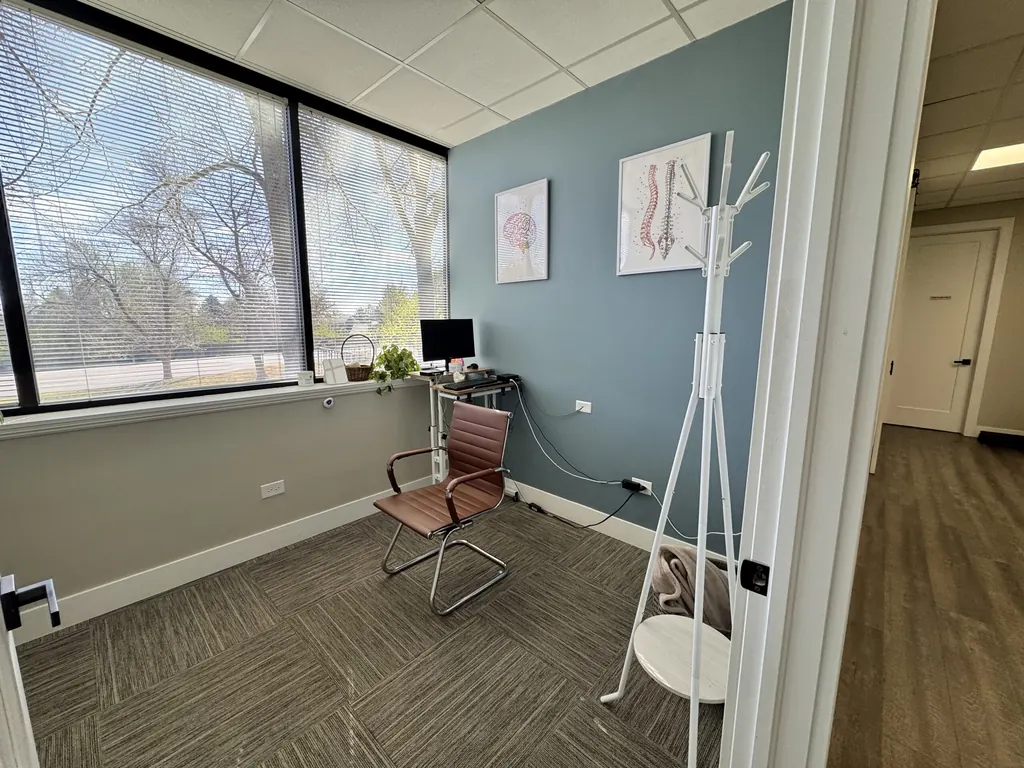
Neurofeedback is gentle, non-invasive brain training. Small sensors read brain activity while you watch a show or listen to audio. When the brain moves toward a steadier pattern, the picture stays bright; when it drifts, it dims a little. Over many repetitions the brain can learn from that feedback. Psychologists call this operant conditioning. Nothing is sent into the brain.
At Dody Chiropractic, training is planned from your brain map, and the map is repeated partway through so you can compare it with where you started. For some people, gentle chiropractic care or a review of blood work and nutrition sits alongside neurofeedback. For others, neurofeedback on its own is the fit. Individual results vary, and we don’t promise outcomes. Read more about neurofeedback.
Is neurofeedback an alternative to ADHD medication?
No. Neurofeedback and medication do different jobs, and one isn’t a substitute for the other.
Many people who come to us for focus concerns take medication, and that’s fine. Decisions about medication belong to you and your prescribing doctor. Please don’t start, stop or change any medication without talking to them first. We’re glad to work alongside your pediatrician, psychiatrist, therapist or school team, and you’re welcome to share what you learn here with them.
Can adults and children both do neurofeedback for focus?
Yes. We work with children from about age five, teens and adults.
For children, sessions are seated and calm, and the feedback comes through something they’re already watching. A parent is part of every step, from the first call onward. Adults usually come because focus or follow-through is getting in the way at work or at home. The process is the same at any age: measure first, explain, then you decide. How we work with children and teens.
How to start
What happens if you reach out about focus?
Step 1: Free call
Tell Dr. Dody what you’re noticing. He’ll explain how brain mapping and neurofeedback work here and whether he thinks they’re worth exploring.
Book a free callStep 2: First visit
A qEEG brain map, CLA INSiGHT nerve scans and a full neurological and chiropractic exam.
What’s includedStep 3: Your findings
Dr. Dody walks you through the results in plain language and lays out options and cost before anything is scheduled.
Step 4: You decide
If it’s a fit, he’ll suggest a plan. If it isn’t, he’ll tell you that too.
Free phone consultation
Would you rather we call you?
Send a request and Dr. Dody’s team will call you to set up a free phone consultation about focus and attention.
No commitment and no pressure: just a conversation about what you’re noticing, for yourself or your child, and whether brain mapping and neurofeedback are worth exploring. Prefer to pick a time yourself? Book your free call online.
Questions about focus, attention and neurofeedback
Can neurofeedback help with ADHD?
Does a brain map diagnose ADHD?
Is neurofeedback an alternative to ADHD medication?
Can adults do neurofeedback for focus?
What age can children start?
Do we need a diagnosis or a referral first?
Your first step
Wondering whether a brain map is worth doing?
Talk it through with Dr. Dody first. Tell him what you’re noticing, at home, at school or at work, and he’ll tell you plainly whether he thinks brain mapping and neurofeedback are worth exploring. Free, and no pressure.
Prefer the phone? Call or text (303) 794-1737
New patient? You can also book a free consultation online.
- Free
- No pressure
- Littleton since 2003