
What we help with · Littleton, CO
After a concussion or head injury
When symptoms linger after a concussion or head injury, a measured look at brain activity and the neck can help you and your medical team think about next steps.
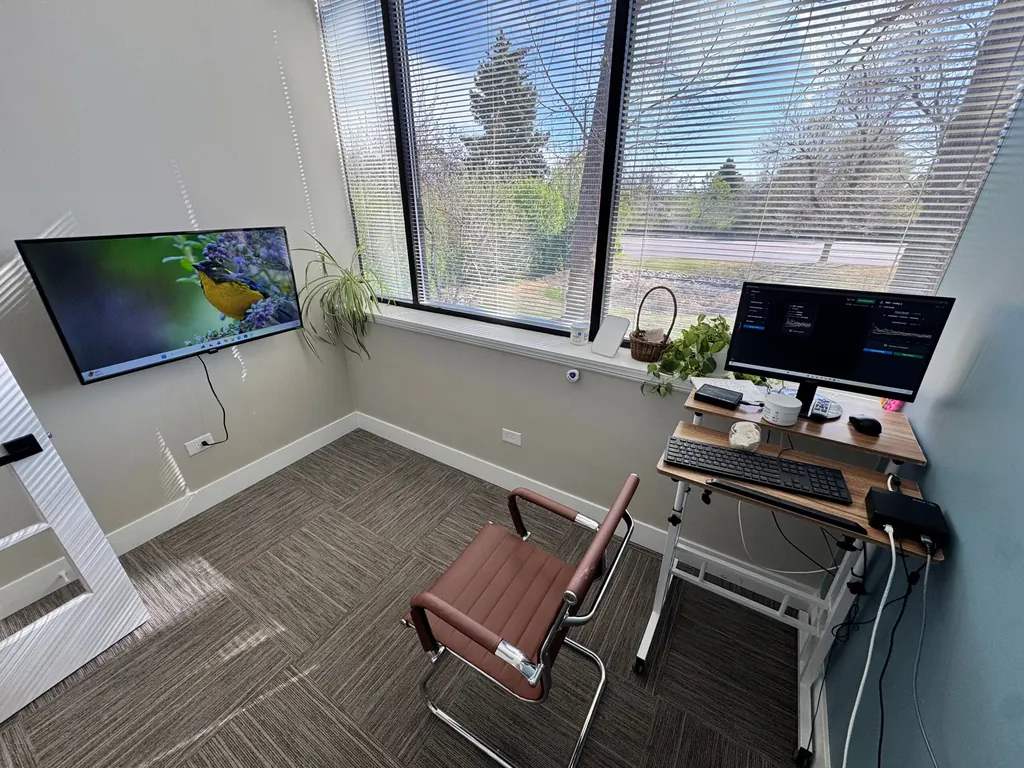
What can lingering symptoms after a concussion look like?
People who come to us after a concussion often describe symptoms that hang on longer than they expected: headaches, a sore or stiff neck, trouble concentrating, poor sleep, or feeling foggy, irritable or easily overwhelmed.
Some notice it most at work or school, where screens, noise and long stretches of focus feel harder than they used to. Others notice it at home, as shorter patience or more tiredness by the end of the day. A concussion is a form of mild traumatic brain injury (TBI), and the way it shows up can vary a great deal from one person to the next.
None of these patterns is a diagnosis, and each can have more than one explanation. That’s why we start by measuring rather than assuming.
When should someone get emergency care after a head injury?
Right away if there are warning signs. Loss of consciousness, confusion, a severe or worsening headache, repeated vomiting, weakness or numbness, slurred speech, unusual drowsiness or a seizure after a head injury need emergency care: call 911 or go to the nearest emergency room.
Medical care comes first. Dody Chiropractic is not an emergency or urgent-care service. If symptoms are new or getting worse after a head injury, please see a medical provider before booking with us.
What can a brain map show after a concussion?
A qEEG brain map shows how electrical activity across the brain compares with an age-matched reference database, which can point to patterns worth exploring. It can’t confirm or rule out a concussion.
The map is recorded with a 20-channel cap that reads activity across the brain’s surface while you sit quietly. Dr. Dody reviews every map himself and walks you through it in plain language, including where activity looks higher, lower or less coordinated than expected.
At your first visit, the map sits alongside three CLA INSiGHT nerve scans, which look at nervous system stress and muscle tension, and a full neurological and chiropractic exam. Together they give a broader picture of how the brain, the neck and the rest of the nervous system are working.
A brain map is an assessment, not a diagnosis. It doesn’t diagnose a concussion, a TBI or anything else; only a licensed clinician can do that. It also doesn’t replace any scan or evaluation your medical team recommends.
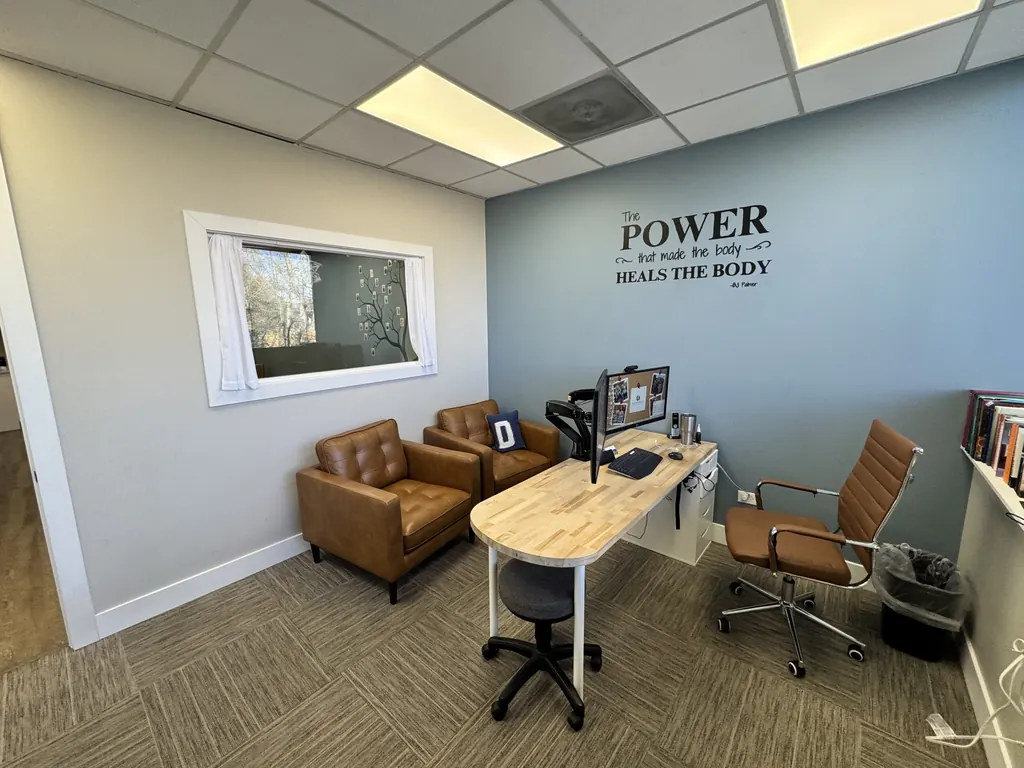
Can neurofeedback help after a concussion?
Neurofeedback may be worth exploring for some people with lingering symptoms after a concussion, and the brain map is how Dr. Dody decides whether it makes sense for you.
Neurofeedback is gentle, non-invasive brain training. Sensors on the scalp read brainwave activity in real time, and a screen or sound gives the brain feedback when it moves toward a more settled, regulated pattern. Nothing is sent into the brain. Over many repetitions, the brain can learn from that feedback.
If the map shows patterns worth working on, training is planned from it, and the map is repeated partway through so you can both compare. We don’t promise outcomes or a set number of sessions, and individual results vary. How neurofeedback works at Dody Chiropractic.
Can chiropractic help with neck pain after a concussion?
It may. Whatever jolted the head, such as a fall, a car accident or a hit in sport, may also have strained the neck, so the neck is worth checking too once a medical provider has cleared you.
Dr. Dody uses Koren Specific Technique (KST), a gentle approach that uses a small handheld instrument rather than manual force. There’s no cracking and no twisting. If anything in your exam suggests the neck needs medical attention first, he’ll tell you and point you back to your doctor. More about gentle chiropractic care.
When should I start after a head injury?
After a medical provider has evaluated the injury and ruled out anything urgent. Beyond that there’s no set rule, and Dr. Dody will talk it through with you.
Whether it’s been weeks or years since the injury, the first step is the same: a free call with Dr. Dody. He’ll ask what happened, what care you’ve had so far and what you’re noticing now, and he’ll tell you plainly whether he thinks a first visit makes sense yet.
How does this fit with the rest of your care?
It’s meant to sit alongside the care you already have from physicians, therapists and other providers, not to replace it.
If you have imaging results, reports or notes from other providers, bring them to your first visit. Return-to-school, return-to-work and return-to-sport decisions stay with your medical team. If you take medication, that’s fine: decisions about medication belong to you and your prescribing doctor.
How to start
From first call to a clear plan
Step 1: Free call
Tell Dr. Dody what happened and what you’re noticing. He’ll say plainly whether he thinks a closer look makes sense.
Step 2: Brain map + exam
Your first visit includes a qEEG brain map, nerve scans and a full neurological and chiropractic exam.
Step 3: Your findings
Dr. Dody walks you through what he sees and lays out the options and the cost before anything is scheduled.
Questions about care after a concussion
Is neurofeedback safe after a concussion?
Can a brain map tell me whether I have a TBI?
Do I need a diagnosis or a referral first?
What if the injury happened a long time ago?
Do you see children and teens after a sports concussion?
Does insurance cover it?
Your first step
Questions about lingering symptoms after a head injury?
Talk it through with Dr. Dody. Tell him what happened and what you’re noticing now, and he’ll tell you plainly whether he thinks a brain map and exam are worth it. Free, and no pressure.
Prefer the phone? Call or text (303) 794-1737
New patient? You can also book a free consultation online.
- Free
- No pressure
- Littleton since 2003