
Children & teens · Littleton, CO
Care for children and teens
We see children from about age five, and teens, with their parents involved at every step. Gentle chiropractic, brain mapping and neurofeedback, explained in plain language.
How are parents involved?
From the very start. The first conversation is usually between a parent and Dr. Dody, and a parent stays involved at every visit and every decision.
On the free call you can describe what you’re noticing at home or at school, ask anything, and hear plainly whether Dr. Dody thinks the practice is a good fit. If you go ahead, he walks you through your child’s findings in plain language, and lays out the options and cost before anything is scheduled.
What is a visit like for a child?
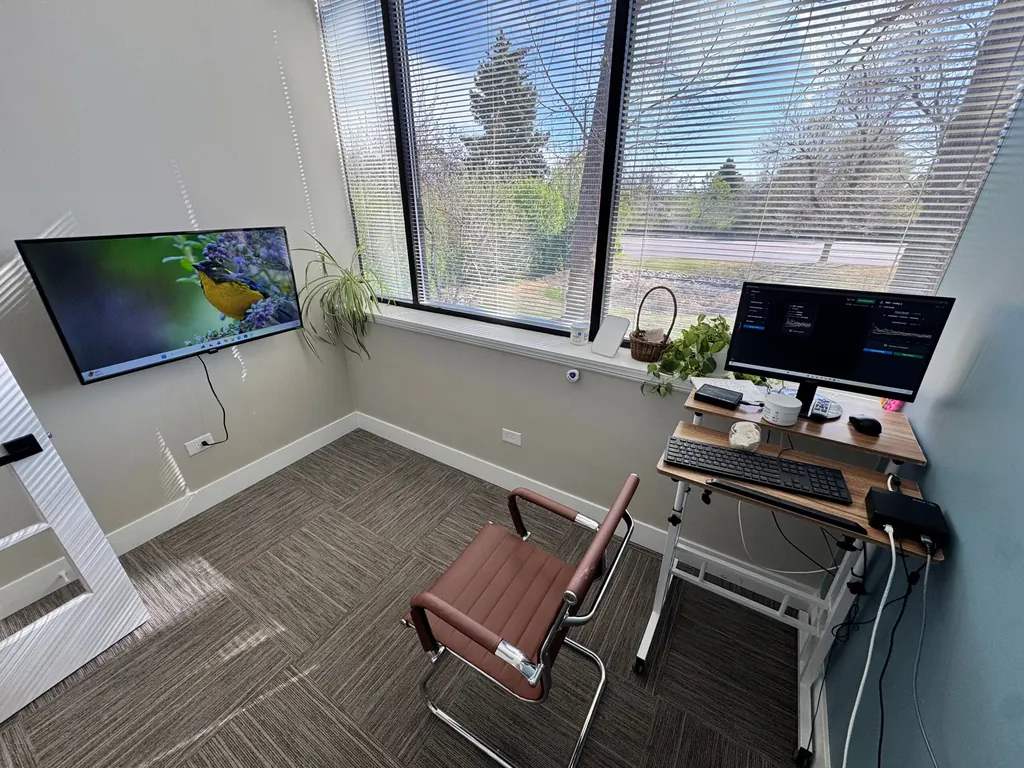
Calm and unhurried. Your child sits in a comfortable chair, a parent stays in the room, and each step is explained before it happens.
Nothing involves needles, and nothing is sent into the brain or body. During neurofeedback, the feedback comes through a show on the screen, so the session feels more like watching something than doing a test. Dr. Dody talks to children in words they can follow and lets them ask questions too.
What is a brain map like for a child?
A soft cap with 20 sensors sits on your child’s head for a few minutes while they sit still, first with eyes closed and then open. It doesn’t hurt.
A little gel helps the sensors read a clear signal, and the sensors only listen to activity the brain is already producing. Your child’s patterns are compared with an age-matched reference database.
A brain map is an assessment, not a diagnosis. It doesn’t diagnose ADHD, anxiety, a learning difference or anything else; only a licensed clinician can do that. What it does is replace guessing with a measurement. How qEEG brain mapping works.
Brain training
Can children have neurofeedback, and from what age?
Yes. We work with children from about age five, as well as teens. Neurofeedback is non-invasive, and children usually take to it quickly.
Small sensors read brainwave activity while your child watches a show. When the brain moves toward a more settled pattern, the picture stays bright; when it drifts, the picture dims a little. Over many repetitions, the brain can learn from that feedback. Training is planned from your child’s brain map, and the map is repeated partway through so you can compare.
Is chiropractic gentle enough for kids?
Yes. Dr. Dody uses the Koren Specific Technique (KST) with children, adjusting with a small handheld instrument set to a very light force. There’s no cracking and no twisting.
It feels like a light, quick tapping. Dr. Dody explains each step first, to both parent and child, and goes at the child’s pace. More about gentle chiropractic care.
What concerns do parents bring to us?
Parents usually come to us because of something they’re seeing at home or at school, often after trying other things first.
- Focus and attention, at school or with homework
- Worry, stress and big feelings that are hard to settle
- Sleep, including trouble falling or staying asleep
- Learning and schoolwork, including children who have been evaluated for a learning difference
- Posture, sports strains and general wellness
Learning differences aren’t a measure of intelligence. Some families find a brain map a useful extra piece of information alongside the school’s or a specialist’s view. If your child has had an evaluation, bring the records. If not, Dr. Dody can talk through what a map can and can’t show. Individual results vary, and we don’t promise outcomes.
Can children who take medication come to Dody Chiropractic?
Yes. Children who take medication are welcome, and neurofeedback and medication do different jobs.
Decisions about medication belong to you and your prescribing doctor. Please don’t start, stop or change any medication without talking to them first. Just let us know about any medication at the first visit.
How it goes
From a parent’s call to a plan
Step 1: Free call
You talk with Dr. Dody about what you’re seeing. Your child doesn’t need to be on the call.
Step 2: First visit
A brain map, nerve scans and a gentle exam, with you in the room.
Step 3: Findings
Dr. Dody explains what he found in plain language, with options and cost. You decide.
More questions from parents
Can I book the free call on my child’s behalf?
Should we bring reports from school or other providers?
Do you work with teenagers?
Does my child have to do chiropractic and neurofeedback?
Do you take insurance for children’s care?
Your first step
Book a call about your child
Tell Dr. Dody what you’re seeing at home or at school. He’ll listen, explain how the practice works with children and teens, and tell you plainly whether he thinks it’s worth exploring. Free, and no pressure.
Prefer the phone? Call or text (303) 794-1737
New patient? You can also book a free consultation online.
- Free
- No pressure
- Littleton since 2003