
What we help with · Littleton, CO
Anxiety and stress
When your nervous system seems stuck on high alert, it helps to look at how it’s actually working. Here’s how brain mapping, neurofeedback and gentle chiropractic may fit in.
What can anxiety and stress look like?
People who come to us describe a nervous system that seems stuck on high alert, even when nothing in particular is wrong.
The details vary from person to person. Things people often mention:
- Racing thoughts, or a mind that won’t switch off at night
- Feeling keyed up, jumpy or easily overwhelmed
- Tight shoulders, a clenched jaw, or tension headaches
- Waves of panic that seem to come out of nowhere
- Trouble falling asleep, or waking up already tense
- Feeling tired from being “on” all day
Some people carry stress that has stayed with them after a frightening or difficult experience. Others can’t point to any single cause. Children and teens can feel it too, often at school or at bedtime. You don’t need a diagnosis to talk with us, and we don’t give one.
Why look at anxiety through the nervous system?
Because the brain and the body are one nervous system, and stress tends to show up in both.
Your nervous system is built to shift between alert and settled. When it spends too long on alert, people often notice it in their thoughts, their sleep and their muscles at the same time. Dr. Dody is both a chiropractor and a certified neurofeedback specialist, so he looks at brain activity, nervous system stress and the spine together, then explains what he sees in plain language.
Measured first
What can a brain map and nerve scans show?
They can show patterns in brain activity and nervous system stress that are worth exploring. They don’t diagnose anxiety.
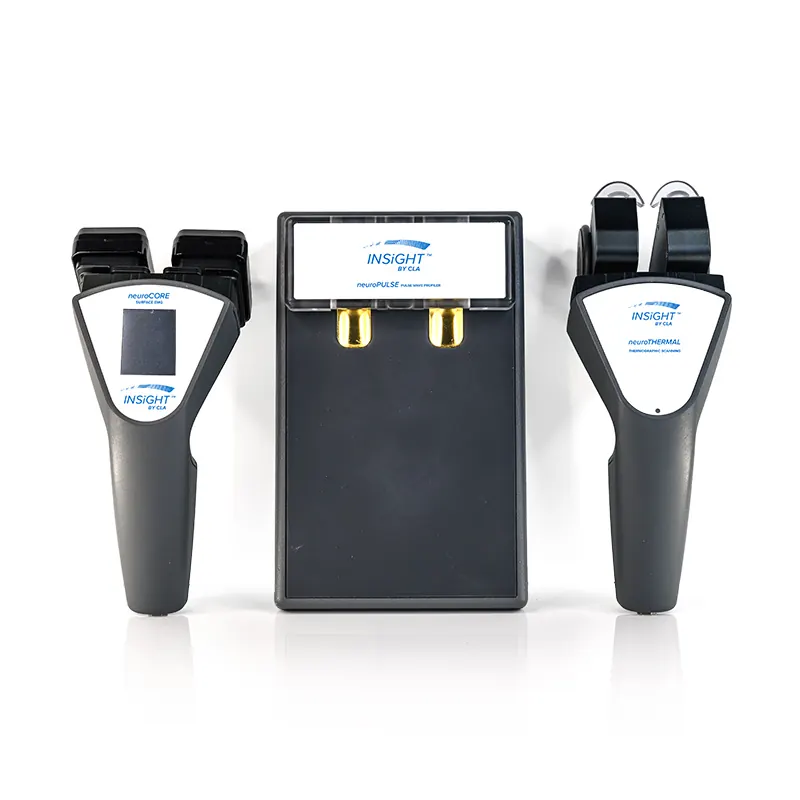
The qEEG brain map uses a 20-channel cap to read electrical activity across the brain’s surface and compares it with an age-matched reference database. CLA INSiGHT nerve scans look at nervous system stress and muscle tension. Together with a full neurological and chiropractic exam, they give Dr. Dody and you something measured to talk about instead of a guess.
A brain map is an assessment, not a diagnosis. It doesn’t diagnose ADHD, anxiety, depression or anything else; only a licensed clinician can do that.
Can neurofeedback help with anxiety?
Neurofeedback may help some people with anxiety and stress, and Dr. Dody will tell you after your brain map whether he thinks it’s worth exploring for you.
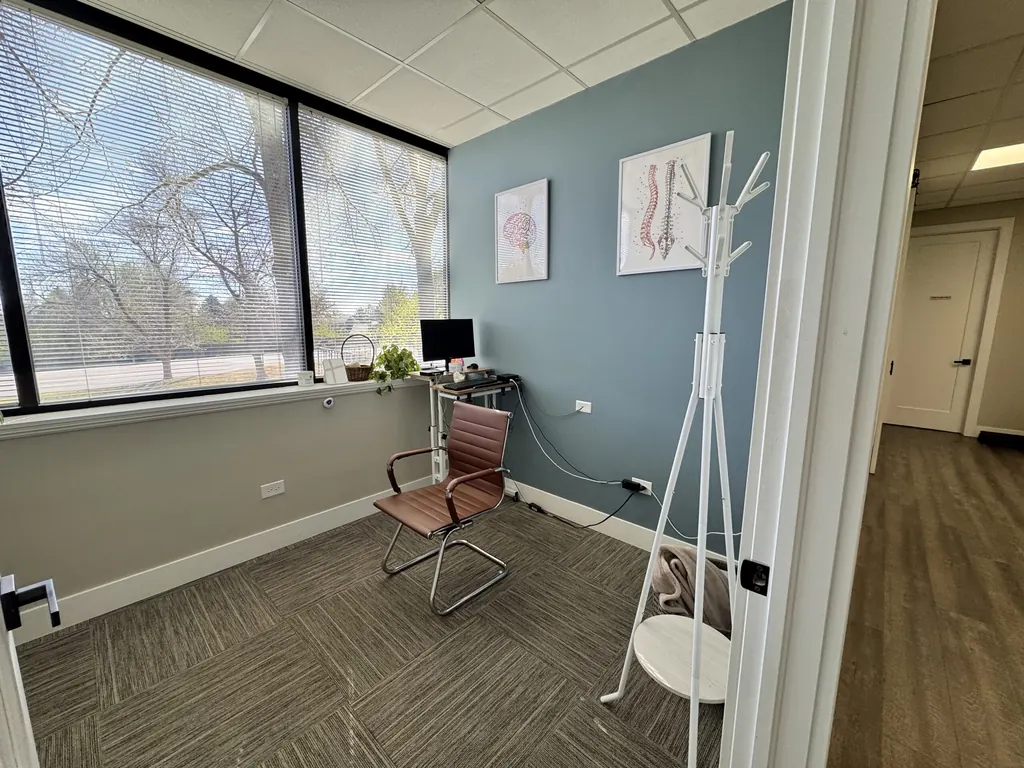
Neurofeedback is gentle, non-invasive brain training. You sit in a comfortable chair while small sensors read your brain activity, and a show or audio gives your brain immediate feedback when it moves toward a calmer, more regulated pattern. Over many repetitions, the brain can learn from that feedback. Nothing is sent into the brain.
Training is planned from your brain map, and the map is repeated partway through so you can compare it with where you started. Individual results vary, and we don’t promise outcomes. Read more about neurofeedback.
Can chiropractic care help with stress?
Gentle chiropractic care may be one helpful piece for some people, particularly when stress shows up as physical tension.
Dr. Dody uses the Koren Specific Technique (KST) with an ArthroStim instrument: gentle adjusting with no cracking and no twisting. If the idea of a forceful adjustment puts you off, this is a very different experience. Whether chiropractic belongs in your plan is something he’ll talk through with you, and it’s always your choice. How gentle chiropractic works here.
Does this work alongside medication and therapy?
Yes. We work alongside your doctor, therapist or counselor, never instead of them.
Many people who come to us take medication for anxiety, and that’s fine. Decisions about medication belong to you and your prescribing doctor. Please don’t start, stop or change anything without talking to them first. Neurofeedback and medication do different jobs, and you’re welcome to share what you learn here with the people already caring for you.
When should anxiety be checked by a doctor first?
New physical symptoms, such as chest pain, a racing heartbeat or shortness of breath, should be checked by a medical doctor before anything else.
If you’re in crisis or thinking about harming yourself, call or text 988, the Suicide & Crisis Lifeline, or call 911.
How to start
What happens when you reach out?
Step 1: Free call
Tell Dr. Dody what’s been going on. He’ll explain how he works and whether he thinks it’s worth exploring.
Book a free callStep 2: First visit
A qEEG brain map, CLA INSiGHT nerve scans, a full neurological and chiropractic exam, and your first gentle KST adjustment.
What’s includedStep 3: Your findings
Dr. Dody explains your results in plain language and lays out options and cost before anything is scheduled.
Step 4: You decide
If it’s a fit, he’ll suggest a plan. If it isn’t, he’ll tell you that too.
Questions about anxiety, stress and neurofeedback
Can neurofeedback help with anxiety?
How is neurofeedback different from medication for anxiety?
Do I need to stop my anxiety medication?
Can chiropractic help with stress?
Does this work alongside therapy?
What if my brain map looks typical?
Your first step
Want to talk through what’s keeping you on edge?
Start with a free call with Dr. Dody. Tell him what’s been going on, ask anything, and he’ll tell you plainly whether he thinks brain mapping, neurofeedback or chiropractic care is worth exploring. No pressure.
Prefer the phone? Call or text (303) 794-1737
New patient? You can also book a free consultation online.
- Free
- No pressure
- Littleton since 2003