
What we help with · Littleton, CO
Sleep problems and insomnia
Trouble falling asleep, staying asleep, or waking up unrested? Here’s how a brain map, neurofeedback and gentle chiropractic may fit into your sleep plan.
What can sleep problems look like?
The people who come to us describe trouble switching off at night, waking up and staying awake, or getting enough hours but never feeling rested.
Things people often mention:
- Lying awake with a busy mind, even when exhausted
- Waking in the early hours and not getting back to sleep
- Light, restless sleep that doesn’t feel restoring
- Tension in the neck, shoulders or back that makes it hard to get comfortable
- Feeling wired at bedtime and foggy in the morning
Sleep is often tangled up with other things people bring to us, like stress, low mood or trouble focusing. You don’t need a diagnosis to talk with us, and we don’t give one.
Should I see a sleep doctor first?
If there are signs of a medical sleep condition, yes. Loud snoring, pauses in breathing, gasping at night or heavy daytime sleepiness should be checked by a physician, because conditions like sleep apnea need medical care.
We’re glad to work alongside your doctor or sleep specialist. If you take medication or supplements for sleep, that’s fine. Decisions about medication belong to you and your prescribing doctor.
How does Dody Chiropractic look at sleep?
As a nervous system question: sleep depends on the brain and body being able to shift from alert to settled.
When that shift is harder, people often notice it in their thoughts, their muscles and their sleep all at once. Dr. Dody is both a chiropractor and a neurofeedback specialist, so he looks at brain activity, nervous system stress and the spine together before suggesting anything.
Measured first
What can a brain map show when sleep is off?
A qEEG brain map can show patterns in brain activity worth exploring, such as areas where activity looks higher, lower or less coordinated than expected for your age. It doesn’t diagnose a sleep disorder.
The map uses a 20-channel cap to read electrical activity across the brain’s surface and compares it with an age-matched reference database. At the same first visit, CLA INSiGHT nerve scans look at nervous system stress and muscle tension, and Dr. Dody does a full neurological and chiropractic exam. He reviews every map himself and explains it in plain language.
A brain map is an assessment, not a diagnosis. It doesn’t diagnose ADHD, anxiety, depression, insomnia or anything else; only a licensed clinician can do that.
Can neurofeedback help with sleep?
Neurofeedback may help some people with sleep, and Dr. Dody will tell you after your brain map whether he thinks it’s worth exploring for you.
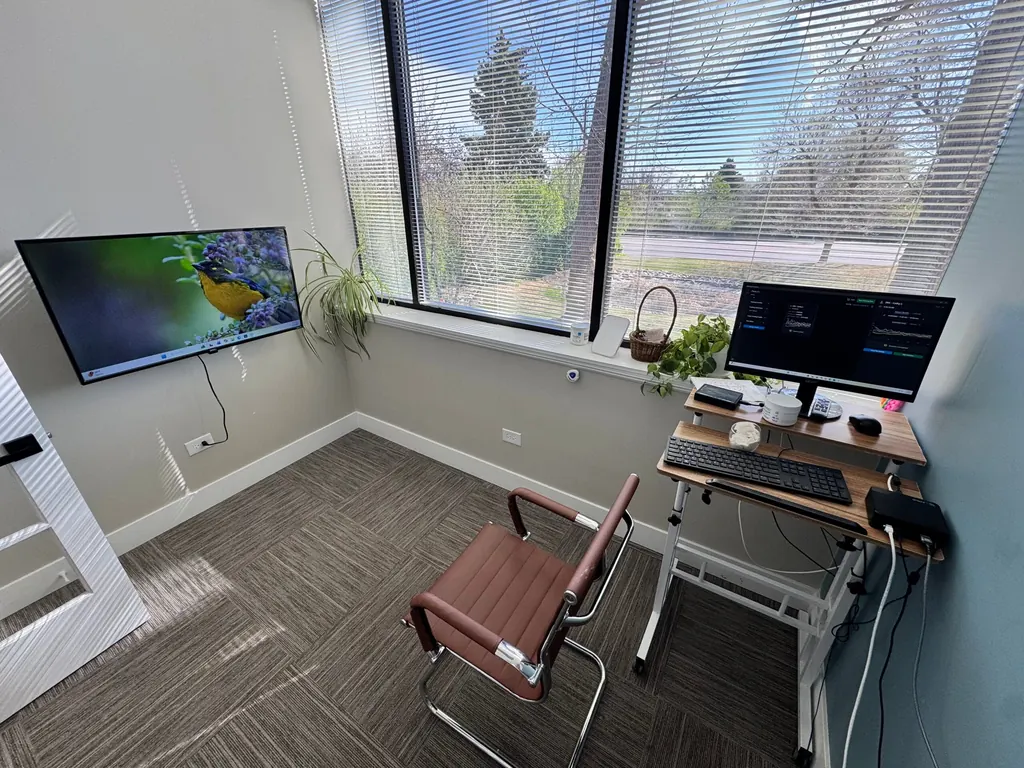
Neurofeedback is gentle, non-invasive brain training. You relax in a chair while small sensors read your brain activity, and a show or audio gives your brain immediate feedback when it moves toward a calmer, more settled pattern. With repetition and practice, the brain can learn to develop new, more balanced patterns of activity. Nothing is sent into the brain, and sessions take place in our office, not overnight.
Training is planned from your brain map, and the map is repeated partway through so you can compare it with where you started. Individual results vary, and we don’t promise outcomes. Read more about neurofeedback.
Can chiropractic care help with sleep?
For some people, physical tension is part of what keeps the body from settling at night, and gentle chiropractic care may be worth exploring alongside other steps.
Dr. Dody uses the Koren Specific Technique (KST) with an ArthroStim instrument: gentle adjusting with no cracking and no twisting, guided by nerve scans and an exam. Whether it belongs in your plan is something he’ll talk through with you, and the decision is always yours. How gentle chiropractic works here.
How to start
What happens when you reach out?
Step 1: Free call
Tell Dr. Dody what your nights are like. He’ll explain how he works and whether he thinks it’s worth exploring.
Book a free callStep 2: First visit
Your new patient visit ($225) includes nerve scans, a qEEG brain map, an examination and your first chiropractic adjustment.
What’s includedStep 3: Report of findings
At your second visit, Dr. Dody reviews your results in plain language and discusses his recommendations. You can choose and begin a care plan if you’d like.
Step 4: You decide
If it’s a fit, he’ll suggest a plan. If it isn’t, he’ll tell you that too.
Questions about sleep and neurofeedback
Can neurofeedback help with sleep?
What does the brain look like when sleep is off?
Can chiropractic help me sleep?
Should I see a sleep doctor first?
I take something to help me sleep. Is that a problem?
Can children and teens come in for sleep concerns?
Your first step
Tired of lying awake? Let’s talk it through.
Start with a free call with Dr. Dody. Tell him what your nights are like, ask anything, and he’ll tell you plainly whether he thinks a brain map, neurofeedback or chiropractic care is worth exploring. No pressure.
Prefer the phone? Call or text (303) 794-1737
New patient? You can also book a free consultation online.
- Free
- No pressure
- Littleton since 2003