Chiropractic care · Littleton, CO
Gentle, brain-based chiropractic care
Gentle, instrument-based chiropractic with no cracking and no twisting. Dr. Dody uses the Koren Specific Technique and nerve scans to look at your spine as part of your nervous system.
What does “brain-based” chiropractic mean here?
It means Dr. Dody looks at your spine as part of your whole nervous system, not just as a set of joints that hurt.
Dr. Dody has practiced chiropractic in Littleton since 2003. A sports injury he recovered from through chiropractic is what led him into the profession. Over the years he added neurofeedback and qEEG brain mapping, because, in his words, “the brain and the spine are not separate systems. They are one nervous system.”
In practice, that means your first visit looks at more than your back or neck. It includes a full neurological and chiropractic exam and nerve scans, so Dr. Dody can see the bigger picture before he suggests anything.
What is the Koren Specific Technique (KST)?
KST is a gentle chiropractic method in which Dr. Dody finds the areas that need attention and then adjusts them with a small handheld instrument called the ArthroStim, rather than with his hands.
Dr. Dody can check you in the position that bothers you, whether that’s sitting, standing or turning, rather than only lying on a table. When he finds an area to adjust, the ArthroStim delivers a quick series of very light taps to that spot. Dr. Dody is trained in KST and holds ArthroStim instrument certification.
Does a KST adjustment involve cracking or twisting?
No. There’s no cracking, no twisting and no forceful pushing. Most people describe the feeling as a gentle tapping or vibration.
That’s why people who have felt nervous about chiropractic before often feel comfortable with KST. You stay relaxed and can talk with Dr. Dody throughout. If you have questions about what he’s doing, ask; he’s happy to explain as he goes.
Measured, not guessed
What are CLA INSiGHT nerve scans?
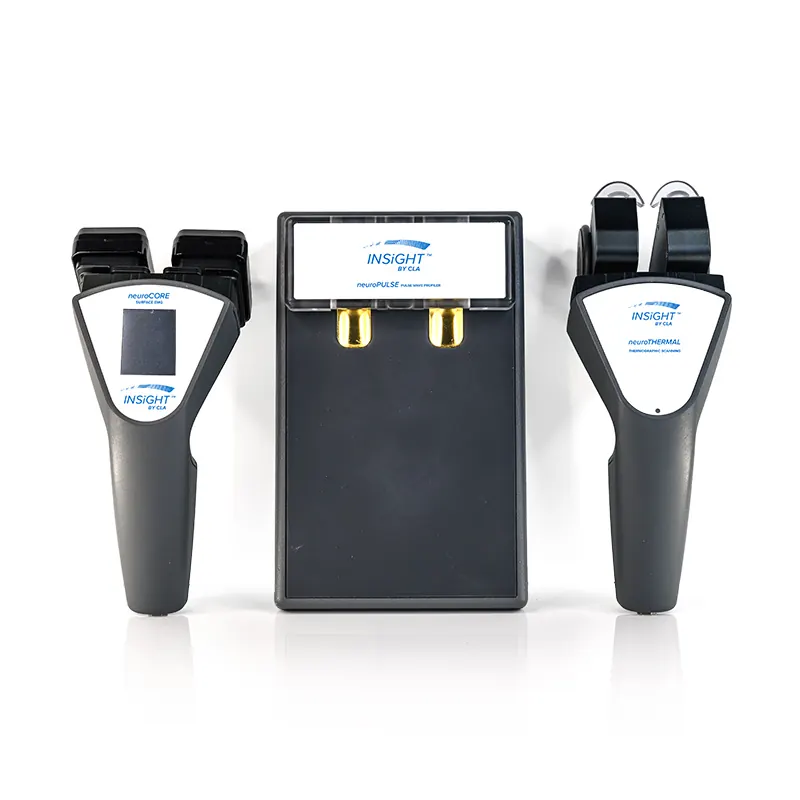
They’re three quick, non-invasive scans that give Dr. Dody a measured picture of nervous system stress and muscle tension along your spine.
The scanners rest on or move along your skin. One looks at muscle activity along the spine, one at temperature patterns linked to the autonomic (automatic) nervous system, and one at heart-rate patterns. Nothing is sent into the body.
The scans are part of your first visit. Progress scans later on let you and Dr. Dody compare how things look over time. Like any assessment, the scans aren’t a diagnosis; they’re one piece of information he reviews alongside your exam.
Who it’s for
Who comes to Dody Chiropractic for chiropractic care?
Adults, teens and children. People usually come to us with one or more of these concerns, or simply to look after how they feel day to day.
Sports strains and everyday wellness care are common reasons too. Individual results vary, and we don’t promise outcomes. Sudden severe pain, numbness or weakness, loss of bladder or bowel control, or pain after a serious accident needs urgent medical care first; call 911 in an emergency.
Is chiropractic care safe during pregnancy?
Dr. Dody sees expecting mothers, and KST suits pregnancy well: it’s low-force, there’s no twisting or cracking, and it can be done seated or standing, so you never need to lie face down.
Every pregnancy is different, so let your OB or midwife know you’re seeing a chiropractor, and tell us anything they’ve advised. Dr. Dody will ask about your pregnancy before he starts and adapt his approach to how you feel that day.
Is chiropractic gentle enough for children?
Yes. Dr. Dody uses the same instrument-based KST approach with children, with the ArthroStim set to a very light force.
A parent stays involved at every step, and Dr. Dody explains what he’s doing in words a child can follow. More about care for children and teens.
How is chiropractic different at Dody Chiropractic?
Dr. Dody is both a chiropractor and a certified neurofeedback specialist, so chiropractic here sits alongside qEEG brain mapping, neurofeedback and functional nutrition, all in one office in Littleton.
Many people only need chiropractic care. For others, Dr. Dody may suggest neurofeedback or a blood work and nutrition review alongside it, and he’ll explain why. The practice also offers intersegmental traction, a table with gentle rollers that move along the spine while you lie on your back. Dr. Dody will tell you whether he thinks it’s useful for you.
You can read more about Dr. Dody’s training and approach, or simply book a free call and ask him directly.
How it goes
From first call to first adjustment
Step 1: Free call
Tell Dr. Dody what’s going on. He’ll explain how KST works and whether he thinks it’s a good fit.
Step 2: Exam + nerve scans
Your first visit includes a full neurological and chiropractic exam, nerve scans and a brain map.
Step 3: Your findings
Dr. Dody explains what he found in plain language, with options and cost, before anything is scheduled.
Step 4: Gentle adjustment
Your first KST adjustment: light, quick, and no cracking or twisting.
More questions about chiropractic care
Does a KST adjustment hurt?
Do I have to get neurofeedback too?
What does the first chiropractic visit include?
Do you see children?
Do you take insurance?
Where is the office?
Your first step
Curious whether gentle chiropractic is right for you?
Tell Dr. Dody what’s going on. He’ll explain how KST works and tell you plainly whether he thinks chiropractic care is worth exploring. The call is free, and there’s nothing to buy.
Prefer the phone? Call or text (303) 794-1737
- Free
- No pressure
- Littleton since 2003