If you’re a woman dealing with PMS, menopause symptoms, infertility, or a tough pregnancy, you’re not alone. Many women are told their only option is to take a pill and live with the side effects.
But what if there’s another way?
At our Littleton wellness center, we take a natural, whole-body approach to women’s health. We’ve seen firsthand how chiropractic care can help women feel better, without relying on medications.
Let’s break down how it works.
PMS Relief With Chiropractic
For many women, PMS shows up like clockwork—with bloating, mood swings, cramps, headaches, fatigue, and back pain. It’s easy to assume that discomfort is just “normal,” but it doesn’t have to be.
Research from the Journal of Manipulative and Physiological Therapeutics found that women with PMS often show increased spinal tension and dysfunction, especially in the lower back. That’s important because when your spine is out of alignment, it can cause nerve interference, which affects how your body regulates hormones.
Chiropractic adjustments work by removing that interference, which helps your nervous system function better. That can lead to:
Fewer cramps and headaches
More stable moods
Less bloating
Better energy
The best part? It’s natural, drug-free, and works with your body—not against it.
Support During Menopause
Menopause is a significant life transition, but it doesn’t have to feel like your body is fighting against you. The symptoms—like hot flashes, sleep disturbances, night sweats, and mood swings—are often tied to nervous system stress and hormone imbalances.
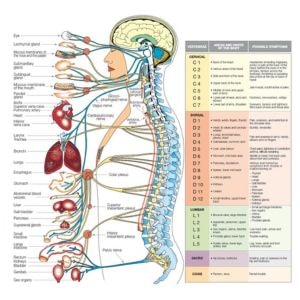
Your nervous system controls every function in your body, and it runs through your spine. If your spine is misaligned, it can put pressure on the nerves that help regulate your endocrine (hormonal) system.
Chiropractic care gently restores alignment, helping your nervous system calm down and function more freely. That can lead to:
Fewer hot flashes
Better, more restful sleep
Reduced anxiety and irritability
A greater sense of balance and control during this season of change
This is the power of a vitalistic approach—we don’t suppress the body’s signals; we help your body do what it’s designed to do.
Can Chiropractic Help With Infertility?
Yes—it can play a supportive role in a natural fertility journey.
Your reproductive organs are connected to the brain through nerves that pass through your spinal column. Suppose any of those pathways are blocked (due to a misalignment or subluxation). In that case, it can disrupt how your body communicates and functions, leading to hormone issues or irregular cycles that may affect fertility.
Chiropractic adjustments clear those blockages, restoring proper nerve flow and helping the body return to a more balanced state. When your nervous system and endocrine system are both working as they should, fertility often improves naturally.
📚 One study from the Annals of Vertebral Subluxation Research reported that women who had spinal misalignments saw improvements in fertility after receiving chiropractic care.
Of course, every body is different, but chiropractic is a safe, gentle starting point that works from the inside out—without medication or invasive treatments.
Natural Support for Pregnancy
Your body undergoes significant changes during pregnancy. From shifting posture and growing belly to loosening ligaments, it’s a lot for your spine and pelvis to handle—and all that change can lead to discomfort or even complications.
That’s where chiropractic care shines.
Regular adjustments throughout pregnancy can:
Ease lower back, hip, and joint pain
Reduce morning sickness by improving nervous system function
Help the pelvis stay balanced for optimal baby positioning
Support a smoother labor and delivery
By keeping your spine aligned, your nervous system can better support your body and your growing baby. Many women also report shorter, more comfortable labors when they receive chiropractic care throughout pregnancy.
We also use gentle, pregnancy-safe techniques that are tailored to your stage of pregnancy and comfort level.
Conclusion
You don’t have to “just deal with it.”
Whether it’s painful periods, menopause symptoms, or preparing your body for pregnancy, chiropractic care can help, naturally and gently.
If you’re in the Littleton area and seeking a more holistic approach to women’s health, we’re here for you.
At our wellness center here in Littleton, we believe in helping our community make informed, empowered choices about health. That includes asking big questions, such as whether vaccines are the only solution to issues like measles.
This article by Dr. Tedd Koren (the creator of KST, which I use in my practice) really opened my eyes years ago, and I think it’s worth sharing now, especially as concerns around childhood illnesses rise again in the news.
Take some time to read through it. You may be surprised by what the research actually shows.
And if you’re looking for a more natural, whole-body approach to health—for yourself or your kids—reach out. We’re here to support you.
Myth or Fact: Measles is a Dangerous Disease
Myth – Measles is a dangerous disease
Fact – Measles is mostly harmless
Measles is a short-lived viral infection that begins with a fever that lasts for a couple of days, followed by a cough, runny nose, and conjunctivitis (pink eye). A rash starts on the face, hairline, and upper neck, spreads down the back and trunk, and extends to the extremities. After about 5 days, the rash fades.
Measles is a mild and mostly harmless disease that leaves a stronger, healthier child in its wake; most adults born before 1965 got measles and have lifelong immunity as a result. Serious problems from measles are very, very rare.
However, after the vaccine was produced, this mild, beneficial rite of passage was called a deadly disease.
“This measles outbreak does not pose a great risk to a healthy child and quite frankly I don’t think it poses any risk to a healthy child.” Jay Gordon, MD, former UCLA Medical Center pediatrician
Dr. Anne Schuchat, director of the CDC’s National Center for Immunization and Respiratory Diseases, stated there were no measles deaths in the US since 2003.
While the CDC’s National Vital Statistics Reports show 2 deaths associated with measles for 2009 and 2010.
“Pediatricians continue to defend vaccination to the death. The question parents should be asking is, ‘Whose death?’ -Robert Mendelsohn, MD
The National Vaccine Adverse Event Reporting System (VAERS), recorded 108 children died from the measles vaccine during a ten year period. http://www.medalerts.org/vaersdb/index.php
But MDs rarely report vaccine injuries so that number is probably much higher.
Myth or Fact: The Measles Vaccine Is Safe
Myth – the vaccine is safe
Fact – the vaccine is dangerous
According to David Kessler, MD, former head of the Food and Drug Administration, “Only about 1 percent of serious events [adverse drug reactions] are reported to the FDA.”
Kessler DA, Natanblut S, Kennedy D. et al. Introducing MEDWatch: A New Approach to Reporting Medication and Device Adverse Effects and Product Problems. JAMA.1993;269(21):2765-2768.
Therefore, we don’t know the actual number of vaccine injuries and deaths. However, they are likely greater than the official statistics due to underreporting.
If we apply the above underreporting number to vaccine injuries then possibly as many as 10,800 children might have been harmed or killed by the measles vaccine during the period that at most four died from measles.
Myth or Fact: Measles Runs Rampant In Non-Vaccinated People
Myth – There is a lot of measles amongst the non-vaccinated
Fact – There are non-vaccinated communities reporting no measles.
For example, the Amish are a religious community, the vast majority of which are not vaccinated. They reported no cases of measles between 1970 and 1987.
Sutter RW, Markowitz LE, Bennetch JM, Morris W, Zell ER, Preblud SR.
Measles among the Amish: a comparative study of measles severity in primary and secondary cases in households.
J Infect Dis. 1991 Jan;163(1):12-6.
While the local highly‐vaccinated communities still reported epidemics every 2‐3 year. Based on this experience measles appears to circulate more amongst the vaccinated than the non-vaccinated.
Myth or Fact: Vaccines Are Safe
Myth – Vaccines are safe
Fact – Vaccines are dangerous
The jury is still out on the issues of safety and efficacy for a number of vaccines; vaccine experts have repeatedly reversed themselves about the safety or effectiveness of vaccines they have previously claimed were safe.
Properly tested and licensed vaccines were later found to cause injury and death and were stopped by vaccine authorities. Sawada eta. 1993; Lancet 342 (7 August): 371
In 2010, the Rotarix (rotavirus) vaccine was recalled because it was contaminated with DNA from a pig virus, and about one million U.S. children and about 30 million worldwide received it. A measles vaccine was also found to contain low levels of the retrovirus avian leukosis virus, and Rotateq, Merck’s rotavirus vaccine, was found to contain a virus similar to simian (monkey) retrovirus. http://articles.mercola.com/sites/articles/archive/2012/04/24/most-recalled-type-of-drug-will-surprise-you.aspx
People have a right to choose because the science is never absolute.
Myth or Fact: Vaccine Companies Look Out For The Greater Good
Myth – Vaccine companies have our best interests at heart
Fact – Pharmaceutical companies have used illegal means to promote their products.
In 8 years (2004-2012), there were twenty pharmaceutical company settlements in the $345 million to $3 billion range. Criminal fines in the $100’s of millions are common, and have been as high as $1 billion (Pfizer 2009, GlaxoSmithKline 2012). This is routine business practice.
Merck, manufacturer of the mumps vaccine, is going to trial in two separate lawsuits for allegedly falsifying the efficacy rate of its mumps vaccine. One suit was filed by former employees who are whistleblowers, the other by pharmaceutical competitors. Lawsuits claiming Merck lied about mumps vaccine efficacy headed to trial, Fierce Vaccines, September 9, 2014, http://www.fiercevaccines.com/story/lawsuits-claiming-merck-lied-about-mumps-vaccine-efficacy-headed-trial/2014-09-09
Myth or Fact: You Can’t Get The Measles If You Are Vaccinated
Myth – You can’t get sick if you are vaccinated
Fact – Diseases occur in fully vaccinated populations.
Here is a small sampling of reports showing that the vaccine is ineffective.
Hersh BS, Markowitz LE et al. A measles outbreak at a college with a prematriculation immunization requirement. Am J Public Health. 1991;81(3):360-364.
Fact – Childhood diseases largely disappeared before vaccines were used
Deaths from measles, scarlet fever, typhoid, whooping cough, and diphtheria were down up to 99% BEFORE vaccination. The vaccines may have kept the diseases from disappearing due to “viral shedding.” http://www.bibliotecapleyades.net/salud/salud_vacunas145.htm
After the shot came out the drop in deaths stopped, jumped and then resumed their downward slope.
Myth or Fact: Only Kids Get Measles
Myth – Measles is a childhood diseases
Fact – Not any more
Children generally usually got childhood diseases around ages 4,5,6,7 after the immunity from the mother wears off. But today newborns, infants, babies, teenagers and adults get “childhood” diseases because vaccination has altered the natural age of occurrence and is responsible for babies and adults getting these diseases at ages when they are more dangerous and even fatal. http://www.womenshealthmag.com/health/dangers-of-childhood-diseases-for-adults
When little girls normally got measles and other childhood diseases they developed full immunity and years later they were able to pass on that immunity to their unborn child. Their baby is born protected against measles and lots of other diseases from the protection the mother passes on during pregnancy through the placenta (hence the term “transplacental” immunity). Breastfeeding also permits the baby to obtain additional immune factors from the mother.
Myth or Fact: There Is No Reason To Catch The Measles With Vaccines
Myth – Childhood diseases have no benefits for children
Fact – Childhood diseases have many benefits for children
Lost in the argument about measles is the fact that Infectious diseases of childhood are shown to be beneficial for the overall health of the child and society.
Contracting and overcoming childhood diseases are part of a developmental process that actually helps develop a healthy, robust, adult immune system able to meet the challenges that inevitable encounters with viruses and bacteria will present later on.
Coulter HL. Vaccination, Social Violence and Criminality: The Medical Assault on the American Brain. Washington, DC: Center for Empirical Medicine. 1990.
That may include protection from cancer:
The study consistently revealed a lower cancer risk for patients with a history of febrile infectious childhood diseases.
Albonico HU, Braker HU, Husler J. Febrile infectious childhood diseases in the history of cancer patients and matched controls. Medical Hypotheses. 1998;51(4):315-320.
The vaccine-mandate zealots move forwards with more and more vaccines to be given to our children (and adults) without addressing these very important questions – questions that might have life or death significance.
Myth or Fact: We Are Required To Get Vaccines
Myth – You must vaccinate your child
Fact – You don’t’ have to vaccinate
There are exemptions to vaccination in every US State and in Canada.
Childhood diseases run in cycles, no matter how much or how little vaccination is done:
Every 2-3 years, there is an upsurge in measles cases, regardless of vaccination compliance.
Robertson SE, Markowitz LE, Dini EF, and Orenstein WA. 1992. A million-dollar measles outbreak: epidemiology, risk factors, and selective revaccination strategy. Publ Health Reports; 197 (1): 24-31.
How many children must die, be crippled physically and mentally, and live lost lives before we recognize what we have done? In our worship of technology, when will we recognize our hubris and realize that we are not God? We do not know enough to justify mandating 101 vaccinations from birth for every single child. http://www.cdc.gov/vaccines/schedules/hcp/imz/child-adolescent.html
Since measles (and other childhood diseases) return cyclically irrespective of vaccination rates, returning to traditional healing wisdom will return us to a time when autism, allergies, asthma, diabetes, and other illnesses seen so often in children today will once again be rare or non-existent.
I have an article discussing whether vaccinated children are healthier than unvaccinated children. To read it, click the image below.
Let’s Bring Back Common Sense in Health
There’s a lot of fear and noise out there, especially around childhood illnesses and vaccines. At our practice, we choose to support the body, not fight it.
That’s why we focus on things like:
KST chiropractic care to support brain-body communication
Neurofeedback to calm the nervous system and improve function
Functional blood testing to get real answers and support healing naturally
If that kind of care feels aligned with your values, we’d love to meet you.
When most people think of chiropractic care, they picture relief from back pain, stiff necks, or headaches. And while it’s true that chiropractic adjustments can work wonders for those issues, the reality is that the benefits of chiropractic treatment go far beyond simple pain relief. What if I told you that aligning your spine could improve your organs’ function, enhance your immune system, and even help with conditions like acid reflux, digestive disorders, or chronic inflammation? Sounds surprising, right?
Your nervous system controls every vital function in your body, including how your internal organs work. When spinal misalignments interfere with the flow of nerve signals, those signals can’t reach your liver, stomach, or digestive tract efficiently. This can lead to health concerns, including poor digestion, weakened immune system responses, and hormonal imbalances.
In my years as a chiropractor, I’ve seen countless patients who initially came in for something as common as bad posture or chronic pain but ended up experiencing improvements in their overall organ health. One patient, for example, struggled with persistent acid reflux and had tried everything—from medications to dietary changes—with little success. After a few targeted spinal adjustments, they reported significantly reduced symptoms. It wasn’t magic; it was about removing interference from their nervous system and allowing their body to function as designed.
So whether it’s supporting your digestive system, optimizing blood flow, or ensuring your vagus nerve can effectively communicate with your organs, chiropractic care addresses the root cause of dysfunction—not just masking symptoms. I’m here to unpack the fascinating connection between your spine, nervous system, and overall organ health so you can experience these benefits firsthand.
Understanding the Nervous System: The Master Control Center
Your nervous system isn’t just another part of your body—it’s the master control center that dictates how every organ, tissue, and cell in your entire body operates. It comprises your brain, spinal cord, and an intricate network of nerves extending to every corner of your body. Together, these components form your central and peripheral nervous systems, which play essential roles in maintaining optimal health.
The Role of Nerve Signals in Vital Functions
Every vital function, from heart rate to the digestive system, relies on clear communication pathways via nerve signals. When these signals are interrupted by misalignments in the spine, known as vertebral subluxations, they can lead to dysfunction in various organs and systems.
For instance, if the nerves connecting your spinal cord to your stomach or liver are compromised, it could lead to symptoms like acid reflux, poor digestion, or even issues with hormone regulation. Similarly, disruptions in nerve flow to your immune system can make you more susceptible to illness and inflammation.
The Spine’s Role in Protecting the Nervous System
Your spinal column is a structural support for your body and a protective shield for your spinal cord. Misalignments in the spine don’t just cause pain or discomfort—they interfere with your nervous system function, affecting how your internal organs and other systems operate.
How Chiropractic Adjustments Restore Balance
We can correct these misalignments through targeted chiropractic adjustments, remove nerve interference, and restore proper spine alignment. This helps ensure nerve signals can travel freely between the brain and the rest of the body, allowing your organs to function at their best.
Research supports this connection. In 2007, the University of Chicago Medical Center conducted a study examining how a chiropractic adjustment could affect blood pressure. Participants were split into two groups: one received a gentle, specific upper cervical adjustment, while the other received a sham adjustment. The results were eye-opening—the adjustment group experienced a significant decrease in blood pressure, comparable to taking two blood-pressure medications simultaneously.
This research highlights how even a single, precise chiropractic adjustment can have a measurable impact on vital functions like blood flow and heart rate. Many people don’t realize that a chiropractor in Littleton can influence something as critical as blood pressure, but science is proving otherwise.
After addressing spinal misalignments, I’ve witnessed patients experience improved immune system response, better digestive function, and even reduced inflammation. It’s a testament to the power of a healthy nervous system and the body’s natural ability to heal when given the chance.
In short, your nervous system isn’t just one part of your body—it’s the foundation of your overall health. Through chiropractic care, we can ensure that the foundation remains strong, resilient, and capable of supporting your organ health and well-being.
How Subluxations Disrupt the System
When your spine is misaligned—a condition chiropractors refer to as vertebral subluxations—it can disrupt the flow of nerve signals between your brain and your internal organs. Think of it like a kink in a garden hose; the water might still flow, but not at full capacity. Similarly, your organs may still function, but not optimally.
Subluxations can cause pressure on nerves that communicate with key organs, including your stomach, liver, and digestive tract. This pressure can disrupt nerve signals and impair the function of these vital systems, potentially leading to digestive disorders, poor immune system responses, and even hormone imbalances.
Historical Insight: Dr. Henry Winsor’s Findings
Subluxation’s effect on organs has been documented for quite some time. In the early 1920s, Dr. Henry Winsor conducted autopsies on 50 cadavers. He hypothesized that abnormal curvatures of the spine caused disease in the body. His findings revealed 139 diseased organs in the cadavers. Astonishingly, 128 of these diseased organs were linked to abnormal curvature in the spine where the nerve that controlled each organ exited.
Dr. Winsor’s work essentially described what we now understand as vertebral subluxations—a disruption in nervous system function caused by spinal misalignments.
Real-Life Impact of Subluxations
I’ve had patients visit my practice with persistent symptoms—everything from chronic fatigue to acid reflux—and traditional treatments hadn’t provided lasting relief. After a thorough examination, we often discover subluxations in their spinal column interfering with nerve signals. With targeted chiropractic adjustments, we can restore proper alignment and, in turn, improve organ function and overall well-being.
Addressing the Root Cause
Instead of masking symptoms with medication, chiropractic care focuses on addressing the root cause of these dysfunctions. By removing nerve interference and restoring your nervous system function, your body can operate how it was designed to.
The power of chiropractic adjustments lies in their ability to optimize communication between the brain, spine, and organs, ultimately leading to better health outcomes and enhanced organ health across the entire body.
The Spine-Organ Connection: More Than Just Back Pain
You might wonder, How can a spinal adjustment affect my stomach, liver, or even heart function? It all comes down to how your spinal column protects your central nervous system.
Vagus Nerve: The Superstar of Organ Health
One of the most important players in this connection is the vagus nerve. This nerve runs from your brain down to your abdomen and serves as a communication superhighway for vital functions like digestion, heart rate, immune system regulation, and inflammation control.
Misalignments in the spine can create pressure on the vagus nerve, disrupting nerve signals and causing downstream dysfunction in these critical systems. Conditions like acid reflux, poor digestion, and even hormonal imbalances often trace back to this disruption.
For example, one patient came to me struggling with persistent acid reflux and chronic stress. After a series of gentle chiropractic adjustments, her symptoms improved dramatically. It wasn’t magic—it was about restoring proper alignment and allowing her nervous system to communicate effectively with her internal organs.
How Chiropractic Adjustments Support Specific Organs
Each area of your spine corresponds to specific organs and systems in your body. Let’s break it down:
1. Digestive System
Misalignments in the mid-back (thoracic spine) can impact nerves that control the stomach, intestines, and other parts of the digestive tract. Patients with conditions like acid reflux, bloating, or constipation often report significant improvements after chiropractic treatment.
Example: A patient who had been struggling with digestive disorders for years finally found relief after we focused on adjustments in her mid-back region. Her body needed the interference removed to start functioning properly.
2. Heart and Circulation
The upper thoracic region of the spine regulates heart rate and blood flow. A misalignment here can increase stress on the heart and compromise vital functions.
3. Liver and Detoxification
Your liver is responsible for filtering toxins from your blood, producing bile for digestion, and so much more. Spinal misalignments can affect the nerves that control liver function, potentially impacting your body’s ability to detoxify properly.
Takeaway: We’re not just treating symptoms but supporting organ health by addressing these spinal misalignments.
The Science Behind Chiropractic and Organ Function
While research on chiropractic’s effect on organ function is still emerging, early studies and countless case reports suggest a strong connection. For example:
Studies show improvements in immune system response following chiropractic care.
Research highlights benefits in stress reduction and improved well-being.
Chiropractic Is About More Than Pain Relief
The goal of chiropractic care isn’t just about making you feel better—it’s about helping your body function better. Regular spinal adjustments help maintain nervous system function, optimize nerve signals, and support the health of your entire body.
What a Chiropractic Visit Looks Like (And Why KST Makes a Difference)
We don’t just focus on your symptoms when you visit our office. We look at your body as a whole, emphasizing the
nervous system. Using techniques like Koren Specific Technique (KST), we can gently and precisely adjust misalignments without forceful twisting or popping.
A Typical Visit Includes:
Assessment: A thorough evaluation of your nervous system and spine.
Targeted Adjustments: Gentle corrections using advanced techniques like KST.
Follow-Up Care: Tracking your progress and making adjustments as needed.
Takeaway: Chiropractic care, especially with KST, is a safe, non-invasive way to support your organ health and overall well-being.
Transformations That Inspire: Stories of Real Change
Envision a life where eating is a chore, where every bite is a source of discomfort and disappointment. One of our patients lived this way until a remarkable transformation took place. Now, they enjoy the pleasures of food again, savoring each bite’s freedom from the shackles of chronic acid reflux. This is not just a cure; it’s the gift of living again.
Now, picture a fatigue so profound you can barely keep your eyes open. One of our patients struggled with this exhaustion until they found their spark again. Now, they’re full of life and energy, their days wide open for opportunity and adventure.
As for stress, let’s not forget the weight of it all. One person’s life felt like a constant, exhausting hike up a steep mountain. But for another, a gentle stroll has become the new normal. They found balance and peace through a simple process that allows their body to heal and thrive. It’s not rocket science; it’s just taking the pressure off the body so it can do what it’s designed to do.
These transformations aren’t unique cases; they happen daily in my office. They’re a testament to what your body can do when the nerve supply to your organs and systems is restored. They prove you’re not stuck in your current condition; you can climb out of that fog and live a healthy, vibrant life. The key is in the transforming power of chiropractic.
Is Chiropractic Care Right for You?
If you’re dealing with unexplained symptoms, chronic inflammation, or poor organ function, chiropractic care might be the missing piece of your health puzzle.
Signs You Might Benefit from Chiropractic Care:
Persistent digestive disorders
Difficulty managing stress
Frequent inflammation or discomfort
General fatigue and low energy
Whether seeking relief from specific symptoms or aiming for optimal health, chiropractic care offers a holistic approach to supporting your nervous system and enhancing organ health.
Final Thoughts: Your Health Is Worth It
At the end of the day, your body is an incredible system designed to heal and thrive—if we give it the right support. Chiropractic care, especially when focused on the nervous system, can be a game-changer for organ health and overall well-being.
If you’re curious about how chiropractic care can support your health, I’d love to guide you on this journey.
Let’s get you scheduled and start this journey together. You deserve to feel amazing every day!
Which approach makes the most sense to you? Does an ounce of prevention equal a pound of cure? What does an ounce of wellness equal?
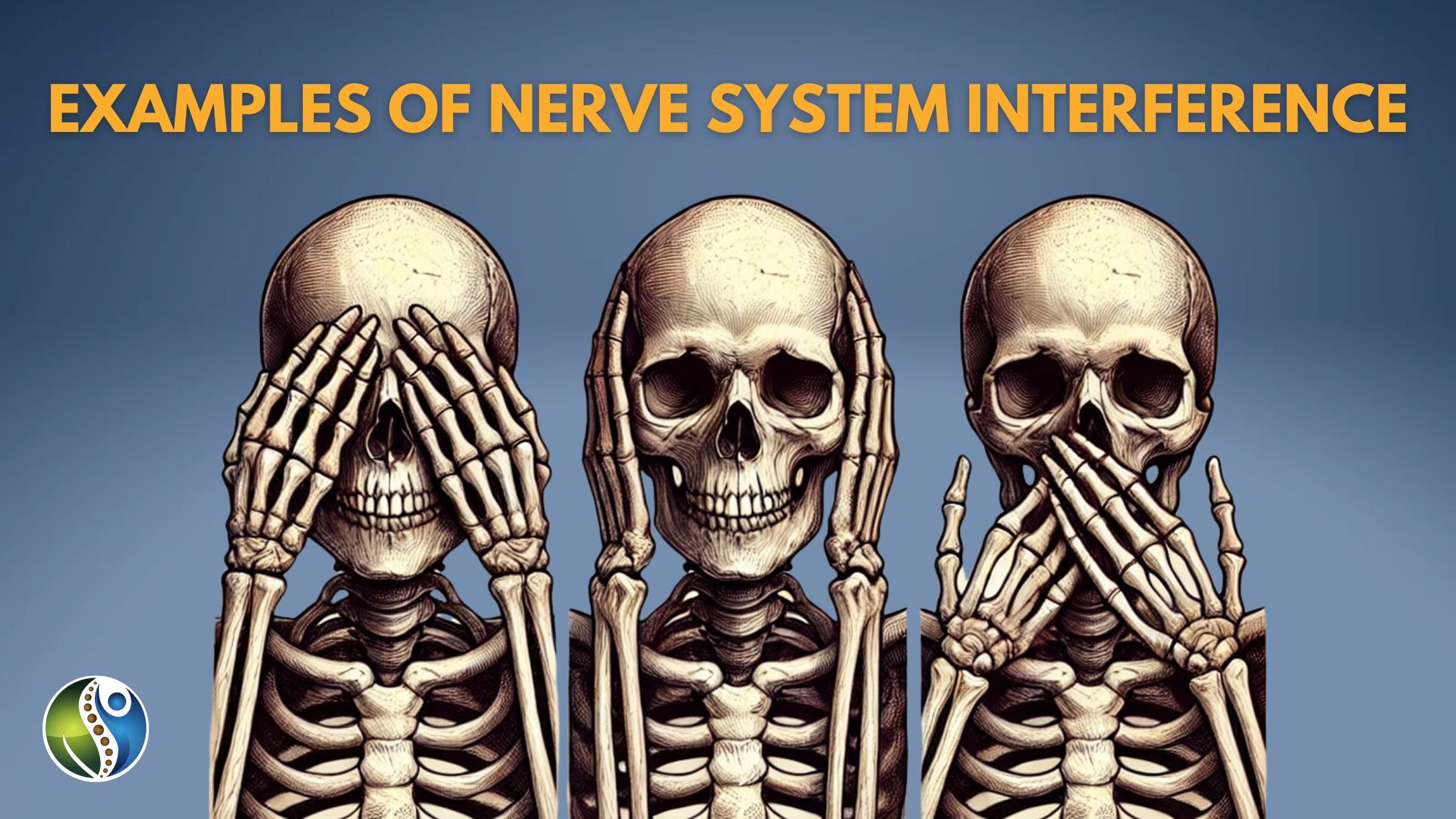
What should we do to help these skeletons? Should we offer the skeleton on the left glasses to help with sight issues? Should we offer the skeleton on the right a microphone to address their speech problems? Or maybe we should give the skeleton in the middle hearing aids to help with hearing challenges? How about medication to fix these issues? Perhaps, it’s actually a case of nerve system interference affecting their abilities to see, speak, and hear.
What types of drugs or treatments would you recommend for these skeletons to help them hear, speak, and see more clearly? If your answer is “none,” then you’re absolutely right! These are obviously ridiculous solutions because they overlook the real issue. Instead of masking symptoms with external fixes, what if we focused on removing the underlying nerve interference? In this case, if each skeleton simply removed their hands from their ears, mouth, or eyes, they’d be able to fully function again.
This concept reflects how nerve system interference can affect our health. Just as with the skeletons, interference in our own nervous system can prevent our body from operating at its best. By identifying and removing these blockages, or sources of nerve interference, we can allow the body’s natural self-healing abilities to take over.
How the Brain and Spinal Cord Impact Your Health Through Chiropractic Care
At our Littleton, CO chiropractic clinic, we specialize in identifying and addressing nerve system interference that may be impacting your overall health. When nerve interference occurs, it can disrupt the proper function of the nervous system, leading to a wide range of health problems. These issues can affect everything from nerve cells and nerve fibers to a peripheral nerve and even the spinal cord itself, all of which play critical roles in maintaining optimal health.
You might find temporary solutions that work to mask or manage symptoms, but these quick fixes don’t address the root issue. Instead, our approach aims to remove the underlying nerve interference that’s affecting your nervous system and contributing to health problems like nerve pain, nerve compression, or even nerve damage.
Our chiropractic care focuses on locating and addressing the source of nerve interference rather than just treating its effects. By correcting nerve dysfunction and restoring balance to the nervous system, we help support your body’s natural ability to self-heal and function at its best. Whether it’s issues stemming from the spine, the central nervous system (CNS), or autonomic nervous system, our goal is to help you achieve lasting relief and wellness.
How the Nervous System Holds the Key to Whole-Body Wellness
The nervous system is the body’s master system, responsible for controlling and coordinating every cell body, tissue, muscle, and organ. It acts as the main communication network between the brain, spinal cord, and peripheral nerves, ensuring that all body systems work harmoniously. When there is any nerve system interference or disruption in this essential network, it can lead to weakened tissues, degeneration, and eventually health problems or dis-ease.
This interference might affect nerve fibers, nerve cells, or even the spinal nerves, creating blockages in how the nervous system communicates with the rest of the body. By identifying and removing these blockages, we allow your body to regain its natural self-healing and self-regulating abilities. This approach helps restore healthy nerve conduction and ensures that the CNS and peripheral nervous system can operate without obstruction.
So, what makes more sense to you? Addressing the underlying cause of the problem or focusing only on managing symptoms? By restoring clear communication within the nervous system, we can support your body’s innate healing potential and enable it to function as it was designed.
Our Proven Approach to Clearing Nerve System Interference for Lasting Wellness
At our Littleton, CO chiropractic clinic, we use a range of approaches to support your nervous system and promote long-term health. Dr. Dody’s gentle chiropractic adjustments are designed to precisely target and relieve nerve system interference along the spine and spinal cord, addressing issues that may affect the CNS as well as the peripheral nervous system. By realigning the spinal nerves and freeing nerves from any obstructions, we help restore clear nerve conduction throughout your body.
Beyond adjustments, we offer Functional Nutrition through customized nutrition and supplement recommendations based on comprehensive bloodwork. This approach helps address inflammatory cells and other nervous tissue factors that might impact your body’s ability to heal and function at its best.
We’ve also introduced Neurofeedback Therapy as part of our practice, which directly targets brain function to optimize cognitive function and support neurological function. This therapy works to retrain neuronal pathways, promoting better nervous system balance and reducing symptoms related to nerve compression and nerve injury.
Whether you’re dealing with nerve damage, sensory nerves issues, or seeking to prevent health problems down the line, we aim to address the underlying cause of your concerns, not just the symptoms. Our holistic approach takes into account the entire body system to encourage nerve regeneration and overall wellness.
Experience Lasting Relief and Better Function with Nerve System Care
At our clinic, we understand that nerve system interference doesn’t just affect isolated areas—it can impact your entire body system. From nerve pain to more complex issues like nerve injuries and nerve compression, these interferences disrupt nerve structure and may contribute to health problems throughout the body, including conditions like carpal tunnel syndrome and challenges within the peripheral nervous system. Our goal is to help you achieve better health by addressing these interferences at their root, restoring clear nerve conduction and supporting every part of your central nervous system and spinal.
We also focus on maintaining the integrity of the nervous tissue, sensory nerves, and other crucial nerve structures like cranial nerve. By improving neurological function, enhancing cognitive function, and fostering nerve regeneration, we’re able to help patients experience reduced symptoms and increased resilience against permanent damage that might otherwise affect their muscles, tissues, and body processes over time.
With our unique blend of chiropractic adjustments, Functional Nutrition, and Neurofeedback Therapy, we’re here to provide the comprehensive care your nervous system deserves. Experience what it’s like to live without underlying nerve interference—a life where you can move freely, think clearly, and feel your best.
Are you ready to take control of your health and experience the benefits of a balanced nervous system? Contact us today to schedule a consultation and start your journey to optimal wellness. The relief you’ve been waiting for is just a call away!
When it comes to nutrition, we’re constantly bombarded with mixed messages. Myths about what’s healthy and what’s not have a way of sticking around, confusing people about what’s best for their health. As a wellness chiropractor focused on functional nutrition, I often hear these myths repeated by patients who genuinely want to improve their well-being. So, let’s bust these myths once and for all and get clear on the fundamentals of a healthy diet!
Myth 1: All Calories Are Created Equal

When people talk about calories, it’s often in the context of weight loss or weight gain. But the truth is, not all calories are created equal. A calorie from processed foods like a doughnut, loaded with added sugar and trans fats, doesn’t provide the same nutritional value as a calorie from nutrient-rich foods like a handful of almonds. Foods high in refined carbohydrates and added sugars may add up in calories but lack the essential nutrients that our bodies need to thrive.
Why Nutrient-Dense Foods Matter More Than Calories
Focusing on nutrient-dense foods like fruits and vegetables, lean meats, whole grains, and healthy fats can make a significant difference in achieving optimal health. These foods provide fiber, essential amino acids, vitamins, and minerals that support immune function, energy, and overall wellness. When you choose whole grains over refined carbs, for instance, you’re fueling your body with nutrients that promote satiety and help regulate blood sugar levels, making it easier to manage your weight and avoid cravings.
The key takeaway? It’s not just about the number of calories, but the quality. Prioritizing foods with high nutritional value and avoiding highly processed foods can lead to better health outcomes, beyond just the calorie count.
Myth 2: Low-Fat Diets Are Healthier

For years, fat was considered the ultimate enemy, and low-fat diets became widely popular. Many food manufacturers responded by removing fat from their products, but to make these items palatable, they added sugar and refined carbohydrates. This swap may have improved the taste, but it also increased calories and made it easier for people to gain weight. Ironically, these “low-fat” options often lead to weight gain rather than helping people lose weight, as they lack the nutritional value needed to keep you full.
The Downside of “Low-Fat” Foods and Hidden Sugars
When fat is stripped from foods like fat-free yogurt, salad dressings, and processed snacks, they often lose flavor. To compensate, manufacturers add added sugars and refined ingredients, which may taste good but don’t provide any key nutrients. These sugars can lead to blood sugar spikes, increased hunger, and more calories consumed over time. So, while low-fat foods may sound like a healthy choice, they often create more cravings and make it harder to achieve your weight loss goals.
Why Healthy Fats Are Key to a Balanced Diet
In reality, not all fats are bad. In fact, high-fat foods from sources like olive oil, nut butter, and full-fat yogurt are vital for brain health, hormone regulation, and keeping you satisfied after meals. Including whole foods rich in vital nutrients and fats — such as avocados, fatty fish, and nut butters — can help with weight management by stabilizing blood sugar levels, preventing excess calorie intake, and providing the sustained energy your body needs.
Personal Tip: When I shifted to a diet that included balanced amounts of healthy fats, I noticed I stayed full for longer and experienced more consistent energy. My favorite snack is apple slices with almond butter — a combo that’s high in nutritional value, providing natural sugars and core nutrients to fuel my day.
Myth 3: You Need to Avoid Carbs to Lose Weight

Carbohydrates often get a bad rap, especially with the popularity of low-carb and fad diets focused on losing weight quickly. But the truth is, not all carbs are created equal. While refined carbohydrates like white bread and sugary snacks can lead to weight gain due to added sugars and lack of fiber, complex carbs from vegetables and seasonal fruits provide steady energy and critical nutrients that contribute to a healthy, balanced diet.
The Role of Complex Carbs in a Balanced Diet
Instead of eliminating carbs altogether, focus on complex carbohydrates from nutrient-dense sources like sweet potatoes, carrots, and occasional whole fruits and vegetables when they’re in season. These foods are packed with fiber, vitamins, and minerals that help support digestive health and offer health benefits that contribute to optimal health. Whole grains can also be beneficial in moderation, providing nutrients that aid in sustaining energy and managing blood sugar levels.
By choosing high nutrient foods and balancing your macronutrients — fats, proteins, and carbs — you can create a diet that not only helps with weight loss goals but also supports long-term wellness. Avoiding highly refined foods and focusing on foods rich in nutritional value can prevent the energy crashes that often come with diets heavy in refined carbs and added sugars.
Myth 4: Detox Diets Are Necessary for Cleansing

Detox diets have surged in popularity, claiming to cleanse the body and reset health. While some of these are fad diets with minimal long-term benefits, there’s a more personalized approach to supporting your body’s natural detoxification processes. Through hair toxicity testing, we can assess whether your body is effectively using its natural detox pathways or if it may benefit from extra support through specific nutrients.
Supporting Your Body’s Natural Detox Process
In our office, we often see that when a person’s body holds on to heavy metal toxicity, it can make losing weight much more challenging. These toxins can disrupt metabolic function, making it difficult to shed excess weight and affecting overall optimal health. Hair toxicity testing allows us to determine if heavy metals may be hindering these processes and enable us to create a targeted plan with the right nutrients to support efficient detoxification.
Instead of relying on restrictive detox or detox diets, a balanced approach involves proper hydration, fiber-rich foods, and plenty of fresh produce like fruits and vegetables. These power-packed foods provide antioxidants and fiber that naturally support the body’s detox pathways, aiding in healthy toxin elimination. With insights from toxicity testing, we can create a plan to enhance your body’s natural detoxification abilities, making it easier to reach your health and weight management goals.
Myth 5: You Need to Avoid Salt

Salt often gets a bad reputation, with many people thinking it should be avoided entirely. However, sodium is an essential nutrient that plays a key role in hydration, nerve function, and muscle health. The real issue lies not in the salt itself but in the type and quantity we consume.
Choosing the Right Kind and Amount of Salt
While processed foods are typically high in refined, heavily processed salt, using natural salts like sea salt or Himalayan salt in moderate amounts can actually benefit your health. These types of salt contain trace minerals that support electrolyte balance, which is essential for overall wellness. It’s the hidden salts in processed and packaged foods that tend to lead to excess intake, not the small amounts you might add to a home-cooked meal.
How to Use Salt Wisely
Instead of avoiding salt altogether, aim to use it purposefully. Enhance your meals with natural salts, and focus on a diet rich in fresh produce and whole foods. This way, you’re in control of your salt intake and can avoid the excess sodium that’s often hidden in processed foods. By choosing the right type and amount, you can keep your salt intake balanced, supporting your health without overdoing it.
Myth 6: Cholesterol Causes Heart Disease

For years, dietary cholesterol has been blamed as the main culprit behind heart disease. However, the relationship between cholesterol levels and heart health is more complex than previously thought. While high cholesterol can be a risk factor, it’s essential to understand that cholesterol itself isn’t solely responsible for causing heart disease. In fact, your body needs cholesterol for vital functions, including producing vital nutrients like vitamin D and hormones.
Understanding the Role of Cholesterol in Heart Health
Not all cholesterol is created equal. High-density lipoprotein (HDL), often called “good” cholesterol, helps clear excess cholesterol from the bloodstream, while low-density lipoprotein (LDL), or “bad” cholesterol, can lead to plaque buildup if it oxidizes. It’s important to consider lifestyle factors, including diet, physical activity, and consumption of processed foods with added sugars and trans fats, which can contribute to inflammation and elevate heart disease risk more than cholesterol itself.
Supporting Heart Health with Whole Foods
Instead of focusing solely on lowering cholesterol, aim to eat a diet rich in nutrient-abundant foods like fruits and vegetables, whole grains, and good fats such as olive oil and fatty fish. These foods contain antioxidants and fiber that support cardiovascular health, lower inflammation, and promote overall optimal health. Limiting saturated and trans fats from highly processed foods can also reduce risk factors associated with heart disease. By prioritizing a balanced diet and lifestyle, you’re doing more for your heart health than just targeting cholesterol levels alone.
Myth 7: Breakfast Is the Most Important Meal of the Day

One of the long-standing nutrition myths is that “breakfast is the most important meal of the day.” Many believe that eating breakfast jumpstarts metabolism and is essential for health. However, recent studies and approaches like intermittent fasting suggest this isn’t necessarily true for everyone. Skipping breakfast or delaying it through intermittent fasting has shown benefits, including helping the body manage blood sugar levels, reducing inflammation, and supporting weight management by encouraging the consumption of fewer calories overall.
The Benefits of Intermittent Fasting for Blood Sugar and Inflammation
For many people, intermittent fasting — often meaning the first meal is later in the day — allows for natural blood sugar regulation and can lead to a reduced risk of health issues. By taking a break from constant eating, the body has time to balance insulin levels, control inflammation, and promote better metabolic health. With this approach, Americans consume fewer empty calories that often come from processed breakfast items, leading to better weight management and long-term wellness.
Finding What Works Best for Your Body
If breakfast gives you energy and helps you feel your best, there’s no need to give it up. But for those who prefer intermittent fasting, focusing on nutritionally packed foods later in the day can be just as beneficial. Whether you choose breakfast or delay eating, the key is to prioritize whole foods like fiber-rich vegetables, high quality fats, and proteins, which provide lasting energy and help support optimal health.
Myth 8: Eating Small Meals All Day Will Help You Lose Weight

There’s a common belief that eating small, frequent meals throughout the day will help you lose weight by boosting metabolism and preventing hunger. However, there isn’t strong scientific evidence to support this claim. Unless you have a specific medical condition, eating fewer, balanced meals can actually make it easier to control calories and stay on track with a healthy diet.
The Reality of Smaller, Frequent Meals
For most people, eating small meals all day may lead to over-snacking, making it harder to manage calorie intake effectively. While frequent meals can help some individuals maintain blood sugar levels, eating fewer, well-rounded meals often promotes better satiety and helps prevent overeating. This approach can encourage more mindful, balanced food choices, like incorporating lean meats, whole grains, and fresh produce with high nutritional value.
Ultimately, the key to effective weight management is finding an eating pattern that aligns with your energy needs and keeps you satisfied without excess calories. Choosing nutrient-dense foods and making thoughtful food choices will support both your weight goals and optimal health in the long term.
Myth 9: Organic Food Isn’t Worth the Money

Organic food can sometimes be more expensive, leading people to wonder if it’s really worth it. But there are definite benefits, especially for certain fruits and vegetables that are more likely to carry pesticides, like strawberries, apples, and leafy greens. Choosing organic options can be particularly helpful for those with sensitivities or chronic health issues, such as digestive and kidney diseases or celiac disease, where reducing toxin exposure may support overall health.
Fruits & Veggies to Buy Organic
When it comes to choosing produce, many people are concerned about the chemicals sprayed on conventionally grown foods. One such chemical, glyphosate, is a widely used herbicide and a known carcinogen. Studies have linked glyphosate and other pesticides to potential health risks, especially when they are consumed regularly through fruits and vegetables. To reduce exposure to these chemicals, it’s helpful to prioritize buying organic for certain produce items that tend to carry higher pesticide residues.
High-Pesticide Produce: Best to Buy Organic
These fruits and vegetables frequently appear on the “Dirty Dozen” list, which ranks produce with the highest levels of pesticide residues. For these, organic is the better option:
Strawberries: Strawberries consistently top the “Dirty Dozen” list due to their high pesticide content, making organic a priority.
Spinach: Spinach often has a high level of pesticide residue, so buying organic can help reduce exposure.
Kale: Another “Dirty Dozen” item, kale can be sprayed with multiple pesticides, so organic is a good choice to limit potential toxins.
Lower-Pesticide Produce: Safe to Buy Conventional
For produce that tends to have lower pesticide residues, conventional options may be a safer choice:
Avocados: The thick skin acts as a natural barrier, reducing pesticide exposure, making conventionally grown avocados a good choice.
Onions: With their outer layers removed before eating, onions generally have low pesticide residue.
Pineapples: Like avocados, pineapples are peeled, reducing pesticide exposure, so conventional options are often acceptable.
Sweet Corn: Typically protected by its husk, sweet corn has relatively low pesticide residues.
Making Informed Choices for Health
While choosing organic can be beneficial for high-pesticide produce, conventionally grown options with low pesticide residues can be a good choice if you’re on a budget. Ultimately, the decision to buy organic or conventional depends on your individual health priorities and concerns about pesticide exposure. If reducing potential carcinogens like glyphosate is important to you, focusing on organic options for high-risk produce can be an effective step toward minimizing toxin exposure.
Myth 10: Red Meat Is Bad for You

Red meat often gets a bad reputation due to concerns about saturated fats, cholesterol, and links to health issues. However, the truth is that the quality of the meat makes a significant difference. When sourced responsibly, free-range, grass-fed, and hormone-free red meat can be an excellent source of high-quality protein and essential nutrients.
Why Quality Matters in Red Meat
High-quality red meat that’s free from antibiotics and growth hormones offers benefits like complete proteins and essential nutrients like iron, zinc, and B vitamins, which are crucial for energy and muscle health. Grass-fed meat also has a healthier fatty acid profile, including higher levels of omega-3s, which support heart and brain health. The issues often arise with conventionally raised, processed red meats, which can contain additives and unhealthy fats.
Enjoying Red Meat as Part of a Balanced Diet
If you’re a meat-eater, choosing grass-fed, pasture-raised red meat can be part of a balanced, nutritious diet. Combine it with fresh vegetables and whole grains to round out your meals and add even more nutritional value. Moderation and quality are key — it’s less about avoiding red meat and more about making mindful, high-quality choices that support your health.
Personal Tip: In our wellness center, we encourage patients to look for local or trusted sources of meat. It’s amazing how much difference the right source can make in terms of both flavor and nutritional impact.
Final Thoughts
Nutrition doesn’t have to be complicated. By letting go of these myths and focusing on whole, nutrient-loaded foods, you’ll be on your way to optimal health. Remember, there’s no one-size-fits-all approach to eating healthy. Start by listening to your body, choosing real food over processed, and making sustainable choices that work for your lifestyle. With these tips, you’ll be better equipped to navigate the world of nutrition and find what truly makes you feel your best.
Ready to take control of your health and eliminate hidden toxins from your diet? At our wellness center in Littleton, CO, our functional nutrition services are designed to help you make the most informed, powerful choices for your well-being. With personalized guidance, we’ll help you navigate nutrition myths, identify key areas to boost your health, and create a plan that’s right for you. Don’t let misinformation hold you back from feeling your best—contact us today to start your journey toward vibrant, lasting health!

What Reasons Do People Visit A Chiropractor in Littleton, CO?
Here are 5 reasons why people visit a chiropractor in Littleton, CO. Many assume that back pain or neck pain are the only reasons to seek chiropractic care, but chiropractic offers much more.
Spinal health plays a crucial role in your overall health and well-being. When we meet with new patients, we explain that the brain and spinal cord are central to controlling and coordinating all functions of the body. The spinal cord acts like a river, delivering vital electrical nerve impulses throughout the body.
If there’s interference with this flow—whether from poor posture, an injury, or spinal misalignment—it’s like turning down a dimmer switch, reducing the full power of those nerve impulses. This diminished input to an organ or tissue causes it to weaken, which over time may lead to chronic health issues or even crisis care requiring drugs or surgery.
The holistic approach of chiropractic care focuses on addressing the root cause of these disruptions to improve not only physical pain but also overall health and wellness. Chiropractic adjustments help the body return to a balanced state, supporting the nervous system and allowing the body to heal naturally. Plus, chiropractic care offers a non-invasive way to boost the immune system, improve posture, and enhance joint health, all without drugs or surgery.
The numerous benefits of chiropractic care can lead to a healthier lifestyle, improving your quality of life and increasing overall health. So, without any further delay, here are 5 reasons to visit a chiropractor in Littleton, CO.
Reason #1 To Visit A Chiropractor In Littleton CO – Stress Relief
Many people in Littleton, CO deal with stress on a daily basis, whether it’s from work, family, or life’s many challenges. As a chiropractor, I help you manage stress in a healthier way. When your spine is not properly aligned, your nervous system can’t function at its best, which impacts your entire body. This misalignment can create both mental and physical stress, contributing to a range of health problems that affect your overall health and well-being.
The shifting of the spinal segments that cause misalignment is known as a subluxation. A subluxation interferes with nerve impulses, disrupting communication between your brain and body. Over time, this interference can lead to chronic pain and health issues and even contribute to the development of disease.
Through specific, gentle chiropractic adjustments, we can restore proper nerve flow, helping to relieve pressure and balance the body. A balanced body not only feels better but also manages stress more effectively. This is why many patients experience a significant reduction in stress after visiting a chiropractor in Littleton, CO. With less tension and improved nerve flow, you’ll find it easier to cope with life’s challenges and maintain optimal health.
Reason #2 To Visit A Chiropractor In Littleton CO – Improve Poor Posture
When you walk around Littleton, CO, it’s not uncommon to notice many people with poor posture. Whether it’s from sitting at a desk all day or constantly looking down at a phone, poor posture is something we see more and more often in our chiropractic clinic. A spine that has been misaligned for an extended period will start to degenerate, and that degeneration often shows up as poor posture. This misalignment can lead to chronic pain and other health issues.
We know that posture is a key indicator of your overall health and spinal health. Poor posture places stress on the spinal cord, which in turn can disrupt the nervous system. This interference acts like a dimmer switch, reducing the nerve impulses flowing from the brain to the rest of the body, and eventually leading to various health problems.
One area of concern is the curvature of the neck, which is particularly vulnerable due to our modern lifestyle—especially with the overuse of computers and constant texting. Over time, this poor posture can lead to more severe issues like herniated discs, increased tension, and joint pain.
Through spinal adjustments and non-invasive care, we work to realign the spine and restore proper curvature to the neck. These chiropractic treatments not only improve posture but also help to relieve pain, reduce tension, and enhance the body’s natural ability to heal. With continued care, patients can experience a better range of motion, reduced discomfort, and improved overall health.
Reason #3 To Visit A Chiropractor In Littleton CO – Elevate Your Mood
It makes sense that when a person is in pain, their mood is often affected. This creates a vicious cycle—when you become more depressed and negative, your pain level can increase even more. Persistent chronic pain and health problems can significantly impact both your emotional and physical well-being.
According to Harvard Medical School, research shows that chiropractic care is particularly beneficial for treating pain, especially low back pain. In fact, the American College of Physicians recommends chiropractic treatments in their low back pain guidelines as a non-invasive and effective approach to managing discomfort.
A 2011 research study demonstrated that chiropractic adjustments also help lower stress levels. By balancing the body’s nervous system, these adjustments can help regulate chemicals in the body that affect mood, and issues like depression, anxiety, and even ADHD have shown improvement with regular chiropractic care.
Elevating your mood is a critical reason to visit a chiropractor in Littleton, CO. By addressing both the physical and emotional aspects of your health, chiropractic care can help you feel better overall, supporting a healthier, more positive outlook on life.
Reason #4 To Visit A Chiropractor In Littleton CO– Boost Your Immune System
Many people in Littleton, CO are concerned with immune system function. Research shows chiropractors can help immune system function with a gentle, specific chiropractic adjustment. When the nervous system is not working properly, different parts of the body are not receiving vital signals necessary to function, and the immune system also suffers. If the nervous system can’t find the germs, the body can’t fight the germs.
A 2010 research study showed that chiropractic adjustments increase an immune system signaling molecule. The researcher found that people who received regular adjustments had higher levels of white blood cells compared to those who did not get adjusted. This means recovering from illness is quicker when the nervous system is connected through Chiropractic care.
Reason #5 To Visit A Chiropractor In Littleton CO – Sleep Better
In our Littleton, CO chiropractic clinic, we often hear from patients who report that their sleep improves significantly after receiving specific, gentle chiropractic adjustments. Experts emphasize that not getting enough sleep can have a major impact on a person’s overall health and performance. A lack of quality sleep leads to a range of health problems, such as impaired brain function, increased stress, and even serious health issues over time.
More and more, people are finding it difficult to get the rest they need due to pain, discomfort, and overall body aches. Chiropractic care focuses on realigning the spine and improving nervous system function, which not only helps to relieve pain but also promotes better, more restorative sleep. Proper spinal alignment reduces the tension in the body, allowing for more peaceful nights and improving well-being overall.
If you want to experience the numerous benefits of better sleep, improved mood, and optimal health, visit our chiropractor in Littleton, CO. Getting quality rest will not only improve your day-to-day performance but also support your body’s natural healing processes, helping you maintain a more active lifestyle and a healthier life overall.
Summary of 5 Reasons To Visit A Chiropractor In Littleton CO:
Visiting a chiropractor in Littleton, CO can provide a wide range of benefits beyond just relieving pain. Chiropractic care not only helps with chronic pain, neck pain, and joint pain, but it also promotes optimal health and enhances your body’s natural ability to heal. By addressing the root cause of many health problems, chiropractic adjustments improve your immune system function, support an active lifestyle, and contribute to better overall well-being.
Our Littleton chiropractic clinic is dedicated to providing non-invasive treatments that help our patients feel healthier and more energized. Whether you’re dealing with stress, recovering from injuries, or simply want to enhance your quality of life, chiropractic care offers a holistic approach to maintaining your health and wellness.
Discover how chiropractic treatments can lead to a pain-free, healthier life. Schedule a visit to our chiropractic office in Littleton, CO today, and start your journey towards optimal health and lasting wellness.
If you would like to learn more or have question please contact us here.
Let me ask you this: are you focused on staying healthy, or are you simply trying to avoid being sick?
It’s a simple but profound question, and how you answer it reveals a lot about your approach to health. In healthcare, there are two primary schools of thought: vitalistic and mechanistic. Your focus—whether on creating health or avoiding illness—ties directly into these philosophies, and it’s important to understand the difference between them.
Vitalistic vs. Mechanistic Healthcare: What’s the Difference?
Mechanistic healthcare looks at the body much like a machine. In this approach, when one part “breaks,” it’s treated in isolation, often through medication or surgery. The aim is usually to fix or manage symptoms, much like replacing a faulty part in an engine. This system focuses on specific problems—”I’m sick, how can I stop feeling sick?” It’s reactive, often stepping in only when things go wrong.
Vitalistic healthcare, on the other hand, takes a broader view. It sees the body as an interconnected, self-healing organism. Rather than simply addressing symptoms or individual problems, vitalistic healthcare focuses on the body’s innate ability to heal and maintain balance when given the right conditions. In this view, health isn’t something that happens to you; it’s something you actively cultivate and nurture.
When you take a vitalistic approach to health, you aren’t just trying to get rid of symptoms. You’re asking, “What can I do to support my body’s natural ability to function optimally? How can I promote true well-being in every aspect of my life?” It’s proactive and preventive, focusing on creating vibrant health rather than waiting for something to go wrong.
Why Does Your Focus Matter?
In the mechanistic model, the focus is typically on avoiding sickness. You’re waiting for a problem to arise and then seeking out a solution to manage or eliminate that issue. The mindset is, “If I’m not feeling bad, I must be fine.” But as we discussed earlier, the absence of symptoms doesn’t necessarily mean you’re healthy. It just means you’re not sick yet.
In the vitalistic model, however, the focus shifts. Instead of concentrating on the absence of illness, you’re striving to build and maintain health every single day. You realize that health is not a static state—it’s something you have to continually work towards. This focus encourages healthy lifestyle choices, regular check-ins with your body, and habits that promote long-term well-being. You’re not just avoiding sickness; you’re creating health.
The Power of Focus: What You Focus On Expands
Here’s why this distinction matters: what you focus on expands. If you’re always focused on avoiding illness, you may only take action when things go wrong. This reactive approach puts you in a cycle of treating problems without ever truly getting ahead of them.
But when your focus is on building health, you’re constantly thinking about how to improve your well-being. You’re putting your energy into actions that move you toward better health—whether it’s through proper nutrition, regular chiropractic care, exercise, stress management, or other wellness practices. In this model, health isn’t something that slips away gradually; it’s something you actively create and maintain.
So, are you focusing on just getting away from sickness, or are you directing your energy toward creating vibrant health? The choice is yours, and it has a profound impact on the direction of your health.
What Does It Mean to Be “Just Not Sick?”
At first glance, it might seem like if someone doesn’t have any symptoms, they must be healthy. But that’s not necessarily true. Health is more than just the absence of illness—it’s a dynamic process, constantly shifting based on your daily choices, environment, and overall lifestyle. So, if someone isn’t experiencing symptoms, does that automatically mean they’re healthy? Let’s break this down.
Imagine two people on a journey. Person #1 feels fine—no aches, no pains, no obvious signs of illness. Person #2, on the other hand, is starting to experience symptoms. Now, it’s easy to assume that Person #1 is in better shape, but when you zoom out, the picture becomes more complex.
Think of health as a spectrum, with vibrant health on one end and sickness on the other. Both Person #1 and Person #2 are somewhere on that spectrum. While Person #1 might not have reached the point of experiencing symptoms, they’re still moving in the wrong direction—toward sickness. They’re in what we call the comfort zone: they don’t feel bad yet, but subtle underlying issues may already be developing. In fact, they may be much closer to symptoms than they realize.
Person #2, on the other hand, has crossed into the symptom zone. This tells us that their health has been deteriorating for a while, possibly unnoticed. But here’s the catch: Person #1 could easily follow the same path and experience symptoms soon if no changes are made. They’re just not there yet.
Health Is Not a Static State—It’s a Process
We tend to think of health as a fixed state: you’re either healthy or you’re not. But health doesn’t work that way. It’s a process that is constantly evolving, influenced by everything from how you move your body to what you eat, how you manage stress, and how well your nervous system is functioning. Each decision you make either moves you closer to vibrant health or nudges you toward illness.
When we look at it this way, the absence of symptoms is not the same as the presence of health. Symptoms are just one indicator, a sign that your body’s balance has been thrown off. But long before symptoms appear, there can be subtle signs that your body isn’t functioning at its best—perhaps you feel more tired than usual, have trouble focusing, or feel more stressed than you used to. These are early warning signs that something deeper might be going on.
Symptoms Don’t Show Up Overnight
It’s important to remember that symptoms don’t appear out of nowhere. By the time you feel discomfort, your health has already been on a downward trend for some time. The body is incredibly resilient, doing its best to compensate and adapt to various stresses, injuries, and imbalances. It’s only when it can no longer keep up that symptoms arise.
In other words, symptoms are the tip of the iceberg. They’re the visible part of a much larger problem that’s been building below the surface. This is why waiting for symptoms to appear before taking action is risky—it means you’re reacting to a problem that’s already well-established.
The Comfort Zone: A Dangerous Place to Be
Many people stay in their comfort zone, assuming that as long as they feel “fine,” they don’t need to worry about their health. But here’s the thing: comfort can be deceiving. Just because you don’t feel sick right now doesn’t mean your health isn’t deteriorating. It’s easy to overlook subtle signs of imbalance or to ignore the everyday choices that might be taking a toll on your body over time.
At our clinic, we see this all the time. One patient, let’s call him John, came to us for chiropractic care. He didn’t have any major symptoms—just a bit of stiffness here and there, nothing he thought was too serious. But after doing a thorough assessment, including a brain map, we saw that his body was already starting to struggle. His nervous system was under stress, and his body was compensating in ways that wouldn’t have been obvious without that deeper look.
John was shocked. He told us, “I feel fine! I didn’t realize anything was wrong.” But after a few chiropractic adjustments and a focus on improving his overall health, he started noticing big changes. He had more energy, his sleep improved, and he even felt more clear-headed. It was a perfect example of someone who wasn’t “sick” but wasn’t truly healthy either.
True health requires being proactive. It’s about addressing issues before they become symptoms, making choices that promote long-term well-being, and ensuring that your body is functioning optimally, even if you don’t feel “sick” today.
How Do You Get Rid of Symptoms?
When symptoms show up—whether it’s a headache, back pain, fatigue, or digestive issues—your first instinct is likely to find relief as quickly as possible. But it’s important to understand that there are two very different approaches to symptom relief, and the one you choose will determine whether you’re just managing discomfort or actually improving your health.
Let’s explore these two approaches:
1. Covering the Symptoms
The first way to reduce or relieve symptoms is by masking them. This is the approach that’s most commonly used in Western medicine. When you’re in pain or feeling unwell, the immediate response is often to reach for something to make it go away—whether it’s a pill, a powder, a lotion, or even a more invasive treatment like surgery or injections. These methods are designed to bring quick relief, and they can be very effective at doing just that.
However, this approach only treats the symptoms, not the root cause. Think of it like putting a piece of tape over your car’s check engine light. The light is no longer bothering you, but the underlying issue—the reason that light came on in the first place—still exists. Your body, just like your car, is giving you these signals because something is wrong. When you simply cover up the symptoms, you’re ignoring the deeper problem, and eventually, it’s going to get worse.
For example, if someone experiences frequent headaches and takes painkillers to manage the discomfort, they might get temporary relief. But if the root cause of those headaches—like stress, poor posture, or spinal misalignment—isn’t addressed, the headaches will keep coming back, and over time, the underlying issue could become more serious.
This is the major limitation of symptom-focused care: it doesn’t turn your health around. It offers temporary comfort, but it doesn’t make you healthier in the long run.
2. Addressing the Root Cause
The second—and much more effective—way to handle symptoms is by turning your health around. Instead of simply covering up the symptom, this approach digs deeper to identify and correct the root cause of the problem. In this case, the symptom is seen as a signal from your body, alerting you that something needs attention.
By addressing the underlying cause, you’re not just getting rid of the symptom—you’re improving your overall health and wellness. This approach doesn’t just relieve the symptoms temporarily; it helps prevent them from coming back by restoring balance and proper function to your body.
This is what we refer to as a vitalistic approach to health. It’s proactive, focusing on supporting your body’s natural ability to heal and function optimally. For example, if that same person with chronic headaches comes to our clinic, instead of handing them a bottle of painkillers, we would take the time to figure out what’s causing the headaches. Is it due to poor posture? Is their nervous system under stress because of spinal misalignment? Are there nutritional imbalances or emotional stressors contributing to the issue?
Once we identify the root cause, we can start working to correct it. Through chiropractic care, lifestyle changes, or even functional nutrition, we can help realign the body, reduce stress on the nervous system, and support the body’s natural healing processes. Not only does this provide long-term relief from symptoms, but it also boosts overall wellness—helping the patient move toward true health rather than just the absence of pain.
Why Addressing the Cause Matters
The key difference between these two approaches lies in how they affect your health in the long term. When you mask a symptom, it often leads to dependency on short-term fixes, and the underlying issues continue to develop beneath the surface. On the other hand, when you address the root cause, you’re creating a foundation for better health—not just in the moment, but for the future as well.
We see this all the time in our clinic. Many of our patients come to us after years of managing symptoms with medications or other temporary solutions. Once we start addressing the real causes—whether through chiropractic adjustments, neurofeedback, or functional nutrition—we see their health start to transform. Symptoms fade, but more importantly, they feel stronger, more energetic, and better equipped to handle life’s stresses.
So, when it comes to your symptoms, ask yourself: Do I want to just get rid of the discomfort for now, or do I want to actually get healthier? The answer to that question will guide you toward either temporary relief or lasting wellness.
How Does Chiropractic Help a Person Get Healthy?
Our primary goal at Dody Chiropractic is to help turn your health around and get it moving in the right direction—towards vibrant, long-lasting wellness. But how exactly do we do that? It all starts with the master system of the body: the nervous system.
Your nervous system is like the body’s communication network. It controls and coordinates every function in your body—everything from movement and digestion to immune responses and hormone regulation. If your nervous system isn’t working properly, none of the other systems in your body can work at their full potential. Think of it like the electrical wiring in your house: if there’s a short circuit, lights flicker, appliances stop working, and things can go wrong very quickly. Your body operates in much the same way.
What Causes Interference in the Nervous System?
Everyday life can cause interference in the nervous system. Physical stress (like poor posture or injuries), emotional stress (like anxiety or frustration), and even chemical stress (like poor diet or toxins) can disrupt the flow of communication between the brain and the body. These disruptions are often subtle, so you may not feel immediate symptoms, but over time, they can start to wear your body down, causing imbalances and eventually leading to illness.
Here’s where chiropractic care comes in. Chiropractic adjustments focus on removing this interference, allowing the nervous system to function as it’s meant to. We look for areas where spinal misalignments—called subluxations—are creating stress on your nerves. These subluxations can prevent your body from properly communicating with itself, leading to dysfunction in areas you may not even realize are connected.
Restoring Balance and Function Through Chiropractic
When we correct these misalignments, we’re restoring proper communication within your body. This does more than just relieve pain or reduce symptoms—it sets the stage for your body to heal itself. By removing interference, chiropractic care enables your body to function optimally. The nervous system is able to send and receive clear signals, and as a result, every system in the body can perform at its best.
This is why chiropractic care goes beyond symptom relief. You might come in for headaches or back pain, but as we remove the interference from your nervous system, you may notice improvements in other areas, too: better sleep, improved digestion, increased energy, and even enhanced mental clarity. These changes happen because your body is finally able to function the way it’s supposed to, without interference blocking its natural healing abilities.
From Symptom Relief to True Health
Now, let’s revisit the question: When symptoms are gone, does that mean you’re healthy?
Just because you’re no longer experiencing discomfort doesn’t necessarily mean you’re truly healthy. Health is a continuous process, a journey of moving in the right direction. When symptoms disappear after chiropractic care, that’s a good sign—but it’s only part of the picture. The real transformation happens when your body is able to maintain balance and resilience without constantly battling internal stressors.
Here’s a simple analogy: imagine you’re driving a car, and your check engine light comes on. You can ignore it, or you can get it checked. Chiropractic care is like taking your car to the mechanic, finding out what’s really wrong, and fixing the root issue. Sure, the light might go off after you get the engine checked, but the true benefit is that your car runs smoother and lasts longer. Likewise, when your body’s systems are functioning as they should, you’re not just symptom-free—you’re moving toward a higher level of health.
Chiropractic as a Vitalistic Approach
Chiropractic care is inherently vitalistic. We don’t just focus on alleviating pain or symptoms; we focus on creating a foundation for long-term health and wellness. By regularly removing interference in the nervous system, chiropractic care helps your body adapt to the stresses of everyday life more effectively. It’s not about waiting for problems to arise; it’s about ensuring your body is always working at its best, preventing issues before they start.
So, the question remains: Are you simply not sick, or are you truly healthy? The absence of symptoms can be deceiving. Health isn’t just the lack of pain—it’s the continuous effort to move in the right direction, to keep your body functioning optimally, and to build resilience against future challenges.
If you’re curious about which direction your health is heading, we encourage you to schedule an appointment at our clinic. Let’s assess where you are on your health journey and take proactive steps to ensure you’re moving toward true wellness, not just temporary comfort.
Ready to Take the First Step Toward True Health?
Why wait until something goes wrong? Let’s get you on the path to vibrant health right now! Whether you’re dealing with symptoms or just want to make sure you’re headed in the right direction, we’re here to help you feel your absolute best—because you deserve it!
Imagine waking up with more energy, fewer aches, and a body that’s working with you, not against you. Sounds pretty great, right? That’s what we’re all about—helping you reach that next level of health!
So what are you waiting for? Call us today or click the button below to schedule your consultation with Dr. Dody! It’s time to put yourself on the road to better health. Your future self will thank you!
Let’s get started—because feeling amazing is just a call away!
Imagine you’re on a journey, one that begins with a single step. This isn’t just any journey—it’s the path to reclaiming your health, transforming not just how you feel but how you live. In our Littleton, CO chiropractic office, we guide you through three progressive levels of care, each designed to align with your health goals and lead you to a place of lasting wellness. But what sets our approach apart is the use of the Koren Specific Technique (KST)—a gentle, yet powerful chiropractic method that ensures each step you take is precise and tailored to your unique needs. Let’s embark on this journey together.
The First Step: Initial Intensive Care with KST
The beginning of any journey can be the hardest. For many, that first step is driven by discomfort—a nagging pain, a persistent symptom that just won’t go away. You come to us seeking relief, a way to turn down the volume on the pain that’s disrupting your life. This is where Initial Intensive Care comes into play, powered by the precision of KST.
Imagine you’re cleaning out a cluttered garage. At first, it might feel overwhelming, like a tornado just swept through, leaving stuff scattered everywhere. It’s chaotic, and it seems like the mess is worse than before you started. That’s what the initial intensive care phase can feel like for your body—especially your nervous system. We’re stirring things up, bringing underlying issues to the surface so we can deal with them directly.
But just like cleaning that garage, once you start putting everything back in its place, organizing, and sorting, you begin to see the transformation. The space becomes clear, functional, and free of clutter. That’s exactly what we do for your nervous system with KST during this phase. We clear out the “debris” of stress and misalignments that have been causing your pain. Each adjustment is like putting another item back in its proper place, reducing the chaos and restoring order.
KST is like having a finely tuned compass on this journey, allowing us to pinpoint the exact areas that need attention with incredible accuracy. We don’t just address the most obvious signs of trouble; we ensure that every adjustment is specifically tailored to your body’s needs at that exact moment. You may feel the weight lift almost immediately, but this is just the beginning. The question we pose to you is: “Are you ready to take the next steps to ensure this problem doesn’t return?” Most people see the wisdom in this—because why settle for temporary relief when you can aim for long-term healing?
The Next Chapter: Corrective Care with KST
As we move forward on your journey, you enter the Corrective Care phase. Here, we’re not just treating symptoms—we’re getting to the root of the problem. Imagine your stress and strain as layers of an onion. Over time, these layers build up, one on top of another, creating deeper and deeper stresses in your body.
With each KST adjustment, we peel away one of these layers, getting closer to the core of your health issues. Just like peeling an onion, we start on the outside, working our way in. Each layer we remove brings us closer to revealing the healthier, more balanced you that’s underneath.
KST makes this process smooth and natural, aligning with your body’s rhythms. It’s like organizing a cluttered garage—each adjustment tidies up, making sure the stress doesn’t sneak back in. As we peel away these layers of stress, you’ll notice more than just relief from pain; you’ll feel your overall health improving.
This phase is where real change happens. Just like sticking with a workout routine, the more layers we peel away, the stronger and healthier you become. With KST, each adjustment is a step closer to true transformation, helping you build a better, more resilient version of yourself.
The Final Destination: Wellness Care with KST
Now that we’ve helped you achieve better health, our goal is to keep you healthy for a lifetime. Welcome to the Wellness Care phase, where health isn’t just maintained—it’s elevated. This is the stage where we focus on keeping your body in top shape, helping you slow down or even reverse some of the effects of aging.
With KST, your wellness care becomes a carefully balanced process, designed to keep you feeling your best as the years go by. Each adjustment is like a tune-up, ensuring that your body gets exactly what it needs to continue thriving. Instead of just reacting to problems, we’re now working proactively to keep you strong and vibrant.
As you move through this phase, your visits become less frequent, but the focus shifts to fine-tuning your lifestyle. We help you make choices that not only maintain your health but also continue to improve it. With KST’s flexibility, we can adjust your care as your life evolves, making sure your health stays aligned with your goals.
Not everyone reaches this phase, but those who do find themselves on a lifelong journey of growth and improvement. They come to us regularly, not because they have to, but because they want to continue climbing, to see just how far their health can go. These are the people who understand that staying healthy isn’t a destination—it’s a way of life, and we’re here to help you every step of the way.
Your Journey Awaits with KST
At our Littleton, CO office, we’re here, ready to walk this path with you, to guide you through each step—whether you’re just beginning or you’re well on your way. With KST, every adjustment, every phase, is customized to your body’s specific needs, ensuring your journey towards increased health and wellness is as smooth and effective as possible. All it takes is that first step. Are you ready to take it?
Your health is your most valuable asset, and the journey to reclaim it begins with a single, decisive step. At our Littleton, CO office, we’re not just offering care—we’re offering a path to lasting wellness, guided by the precision and power of KST chiropractic care. Imagine what life could be like with less pain, more vitality, and a body in perfect harmony.
Don’t wait for tomorrow when your journey to better health can start today. Take that first step now—contact us or schedule an appointment. Let us help you unlock your body’s full potential, one carefully tailored adjustment at a time. Your future self will thank you.
Most people are so focused on their symptoms that they often neglect to address the cause of their discomfort. When the reason is obvious, people usually make the right decision.
The Pebble in the Shoe
For example, imagine you had a pebble in your shoe, and it was bothering you. What would you do? You wouldn’t reach for a painkiller or an anti-inflammatory to cover up the discomfort, would you? No, you’d recognize that the pebble is the problem, and you’d take a moment to remove it from your shoe. Simple, right?
But what if the problem isn’t as obvious as a pebble? What if it’s a headache or back pain? Are these the result of an inadequate supply of aspirin in the bloodstream? Of course not. Yet, many people treat these issues with quick fixes, without ever asking the important question: What is causing this discomfort?
Why a Leaky Roof?
Let me take you to another scenario—one that might hit closer to home. Picture this: a house with a leaky roof. The roof only leaks after it rains, but it doesn’t leak all the time. After a heavy rain, the carpet in the living room is soaked.
Now, imagine calling a cleaner to come in after every storm to clean the carpet. They do a great job; the carpet looks as good as new. But wouldn’t you want them to point out that the mess isn’t the real problem? Wouldn’t it make sense to direct your attention to the cause—the leaky roof? Sure, it might seem easier and cheaper just to clean up the mess, but is it really?
This is exactly why you have symptoms in your body. The symptoms are like the wet carpet—they’re signs that something deeper is wrong. The real issue, the “leaky roof,” is the underlying cause of those symptoms. And just like with the roof, if you only focus on cleaning up the symptoms without addressing the cause, the problem will persist and likely worsen over time.
What is the Cause of the Mess?
Because here’s the thing: if we just “clean up the mess,” we’ll have to do it again after the next rain. But why wouldn’t someone want to fix the roof? Usually, the answer is that it seems cheaper just to clean up the mess than to fix the roof. But this notion of saving money is a misconception.
The same principle applies to your health. Instead of just masking the symptoms, why not address the underlying cause? This is where KST chiropractic care comes in. Koren Specific Technique (KST) is designed to get to the root of the problem by identifying and correcting the interference in your nervous system. This interference is often the cause of discomfort and other symptoms. By removing it, KST helps your body function optimally, ensuring that the “roof” stays intact, preventing further “leaks” in the future.
Pay Now or Later?
Over time, you’ll spend the same amount of money, whether you fix the roof now or just clean up the mess every time it rains. But here’s the real problem: if we just keep cleaning up the mess, the roof will be in far worse condition ten years from now than it is today. It will require much more time, money, energy, and effort to fix. And at that point, we might even need to ask: Is it still fixable?
This principle applies directly to your health, particularly when considering the cost-efficiency of chiropractic care. Research shows that access to chiropractic care is associated with lower medical spending on spine-related conditions, especially in older adults. For example, individuals with higher chiropractic accessibility have been shown to spend significantly less on medical evaluations, diagnostic imaging, and testing. The savings can range from $20 to $40 per individual, which adds up over time.
Moreover, for those with insurance coverage that includes chiropractic care, the savings are even more substantial. Studies indicate that individuals who first seek chiropractic-guided treatment save 40% on annual healthcare costs compared to those who don’t. These savings are not just in immediate costs but also in the prevention of more expensive interventions down the line, such as spinal surgeries—which can be reduced by up to 60% with chiropractic care.
So, the choice is clear: invest in the root cause of your health issues now with chiropractic care, and avoid the far greater costs and complications that could arise in the future. Just like fixing the leaky roof, addressing your health issues with effective, cost-efficient care today will save you significant time, money, and discomfort down the road.
Invest in Your Health
If we invest the time, effort, and money to fix the cause of the mess now, then ten years from now, we’re likely to have not just avoided continuous problems but also have a “healthy” roof. The same principle applies to your health. Investing in your health today is about more than just addressing the symptoms—it’s about correcting the underlying causes to ensure long-term well-being.
The Value of Proactive Health Care
Imagine the power of proactive healthcare. Instead of waiting for problems to arise and then scrambling to treat the symptoms, you take control of your health by addressing the root causes before they become major issues. This approach not only enhances your quality of life but also reduces your long-term healthcare costs. Research consistently shows that individuals who invest in regular chiropractic care, for example, experience significant savings on healthcare costs—up to 40% annually—compared to those who rely solely on conventional medical treatments.
Chiropractic Care as Preventive Medicine
Chiropractic care is a prime example of an investment that pays dividends over time. By maintaining the health of your spine and nervous system, you can prevent a host of problems before they start. Studies have shown that patients who engage in regular chiropractic care are less likely to require expensive and invasive procedures, such as spinal surgeries, which can be reduced by up to 60%. Moreover, chiropractic care has been linked to a reduction in the need for prescription medications, particularly opioids, which are often prescribed for chronic pain management. This not only saves you money but also protects you from the risks associated with long-term medication use, including addiction and other side effects.
Long-Term Benefits of Investing in Health
When you invest in your health now, you’re not just preventing future problems—you’re also setting yourself up for a higher quality of life. Think of it as compound interest: the earlier and more consistently you invest in your health, the greater the returns you’ll see over time. This could mean fewer days of missed work, more energy to enjoy the activities you love, and a body that ages gracefully rather than one that breaks down prematurely.
At our Littleton chiropractic clinic, we understand the importance of this investment. That’s why we focus on addressing the root causes of your health issues, not just treating the symptoms. Whether it’s through chiropractic adjustments, neurofeedback, or functional nutrition, our goal is to help you achieve long-term health and vitality.
Conclusion
Your health is like your home—keep it in top shape, and it’ll pay you back big time. Regular upkeep? That’s the ticket to feeling good and saving cash down the line.
As summer winds down and the school year approaches, parents, kids, and chiropractors alike begin the annual ritual of back-to-school preparation. You’ve got the new clothes, the books, the school supplies—but what about your child’s health? A back-to-school chiropractic exam is a must, but at Dody Chiropractic Center for Wholeness, we believe there’s more to a physical than meets the eye.
The Standard Back-to-School Physical: What’s Missing?
Most traditional back-to-school physicals cover the basics: checking the eyes, ears, nose, and throat. And while these exams are crucial, they often overlook one of the most critical systems in your child’s body—the nervous system. This isn’t just another routine check-up; the nervous system is the master controller that influences everything from your child’s spine health to sensory processing, immune system function, digestion, and even their ability to concentrate in the classroom.
The Overlooked Key to Your Child’s Health
Here’s something that might surprise you: many modern doctors examine a child’s muscles and spinal alignment but stop short of assessing the nervous system. Why? Because most don’t have the tools or the expertise to evaluate it thoroughly. But at Dody Chiropractic Center for Wholeness, we do. Our focus on pediatric chiropractic treatment ensures that no stone is left unturned when it comes to your child’s health.
Why a Nervous System Evaluation Matters
Imagine this: your child struggles to pay attention in school. You might chalk it up to a learning disability, behavioral issues, or just a lack of focus. But what if the real issue lies in interference within their nervous system? By pinpointing and addressing this interference through a chiropractic exam, we can help your child not only focus better but also thrive in all areas of their health and development.
How We Help: More Than Just Chiropractic Care
At Dody Chiropractic Center for Wholeness, we don’t just offer typical chiropractic care. We specialize in pediatric chiropractic treatment using a technique known as Koren Specific Technique (KST). This method is unique—there’s no twisting, cracking, or popping involved. Instead, we use gentle, precise adjustments that are tailored to each child’s specific needs, ensuring the utmost comfort and effectiveness. Whether your child is dealing with sports injuries, spinal misalignments, or general wellness concerns, our approach supports their overall health and development.
What Our Back-to-School Nervous System Evaluation Includes
Your child’s health and well-being are our top priorities. That’s why, every August and September, we offer a comprehensive back-to-school nervous system evaluation featuring three state-of-the-art scans that provide a deep understanding of your child’s health:
Heart Rate Variability (HRV): This advanced, non-invasive scan assesses the balance and resilience of your child’s nervous system by measuring the variations in time between each heartbeat. The Pulse Wave Profiler is a key indicator of how well your child’s nervous system responds to stress and maintains overall health. A healthy HRV suggests a robust nervous system capable of adapting to the demands of daily life.
sEMG Muscle System Evaluation: Using Surface Electromyography (sEMG), we safely evaluate the electrical activity in your child’s muscles. This non-invasive scan shows us how well the muscles are functioning, whether they’re overworked or underperforming, and how they’re responding to spinal alignment. It’s an essential tool for detecting muscle imbalances that might affect your child’s development.
Thermography: This cutting-edge, non-invasive thermal scan measures temperature variations along the spine, which can indicate areas of nerve interference or dysfunction. By analyzing these thermal patterns, we can pinpoint the exact locations where your child’s nervous system may be under stress, leading to issues like poor concentration, weakened immunity, or sleep disturbances.
Together, these scans provide a comprehensive view of your child’s nervous system, allowing us to create a customized care plan tailored to their specific needs. With our state-of-the-art technology, we’re committed to helping your child achieve optimal health and wellness.
Our philosophy is simple: “It’s better to grow healthy kids than to repair damaged adults.” By focusing on the health of your child’s nervous system now, we can set them up for a lifetime of health and wellness.
The Benefits of a Comprehensive Nervous System Evaluation
At Dody Chiropractic Center for Wholeness, we understand that every parent wants the best for their child, especially when it comes to health. That’s why our comprehensive nervous system evaluation is so crucial. By utilizing state-of-the-art, non-invasive scans like Heart Rate Variability (HRV), sEMG Muscle System Evaluation, and Thermography, we’re able to detect underlying issues that might otherwise go unnoticed in a standard physical exam.
These advanced chiropractic evaluations allow us to uncover potential problems in your child’s nervous system that could be affecting their daily life, from concentration in the classroom to overall immune system strength. With early detection and tailored chiropractic care, we can address these issues before they develop into more serious conditions, helping your child grow into a healthier, happier individual.
Investing in your child’s health now sets the foundation for a lifetime of wellness. Whether it’s preventing future sports injuries, improving posture, or simply ensuring their nervous system is functioning optimally, our specialized chiropractic care is designed to support every aspect of your child’s development.
Don’t wait until symptoms arise—be proactive with your child’s health. Schedule their back-to-school nervous system evaluation at Dody Chiropractic Center for Wholeness today and give them the best start to the school year with the confidence that comes from knowing they’re in the best possible health.
Ready to Get Started?
Your child’s health is our top priority, and we’re here to help them thrive. Contact us today to schedule a free consultation or to book their back-to-school nervous system evaluation. Let’s work together to ensure your child is on the path to optimal health and wellness. Call us at 303-794-1737 or click HERE now!
Please contact our office at 303-794-1737 to schedule appointments for all your children to get them off to a proper start for back to school.