Learning Disabilities · Neurofeedback · Littleton, CO
Learning Differences Are Brain Patterns.
Brain Patterns Can Change.
Learning Disabilities · Neurofeedback · Littleton, CO
“ADHD medications caused severe side effects. After just 10 neurofeedback sessions, he stopped stuttering, slept better, and could finally focus. Now he thrives in school. It’s a real, lasting solution.”
— Anthony’s Mom · ⭐⭐⭐⭐⭐ Google Review
“Dr. Dody and his team are amazing! Neurofeedback has been a life changer. It really helped with focus and sleep. You know you are in good hands.”
— Google Review · ⭐⭐⭐⭐⭐ Google Review
The Neurological Basis of Learning Disabilities
Learning disabilities are not intelligence deficits. Children and adults with dyslexia, processing disorders, and related conditions are often highly intelligent — their brains simply process certain types of information through inefficient pathways. QEEG brain mapping reveals these patterns objectively: timing delays in neural processing, poor connectivity between language and visual processing regions, and frequency band imbalances that create cognitive bottlenecks.
Once we can see exactly where and how the processing is disrupted, we can design a neurofeedback protocol that targets those specific areas — training the brain to process information more efficiently over time. This is not remediation or accommodation. It is actual improvement in the underlying neural function.
Research supports neurofeedback for a range of learning-related patterns, including reading difficulties, auditory processing disorders, and the attentional components that frequently co-occur with learning disabilities. Many of our patients report improvements that extended beyond academics — into social confidence, emotional regulation, and overall quality of life.
Working With Children at Dody Chiropractic
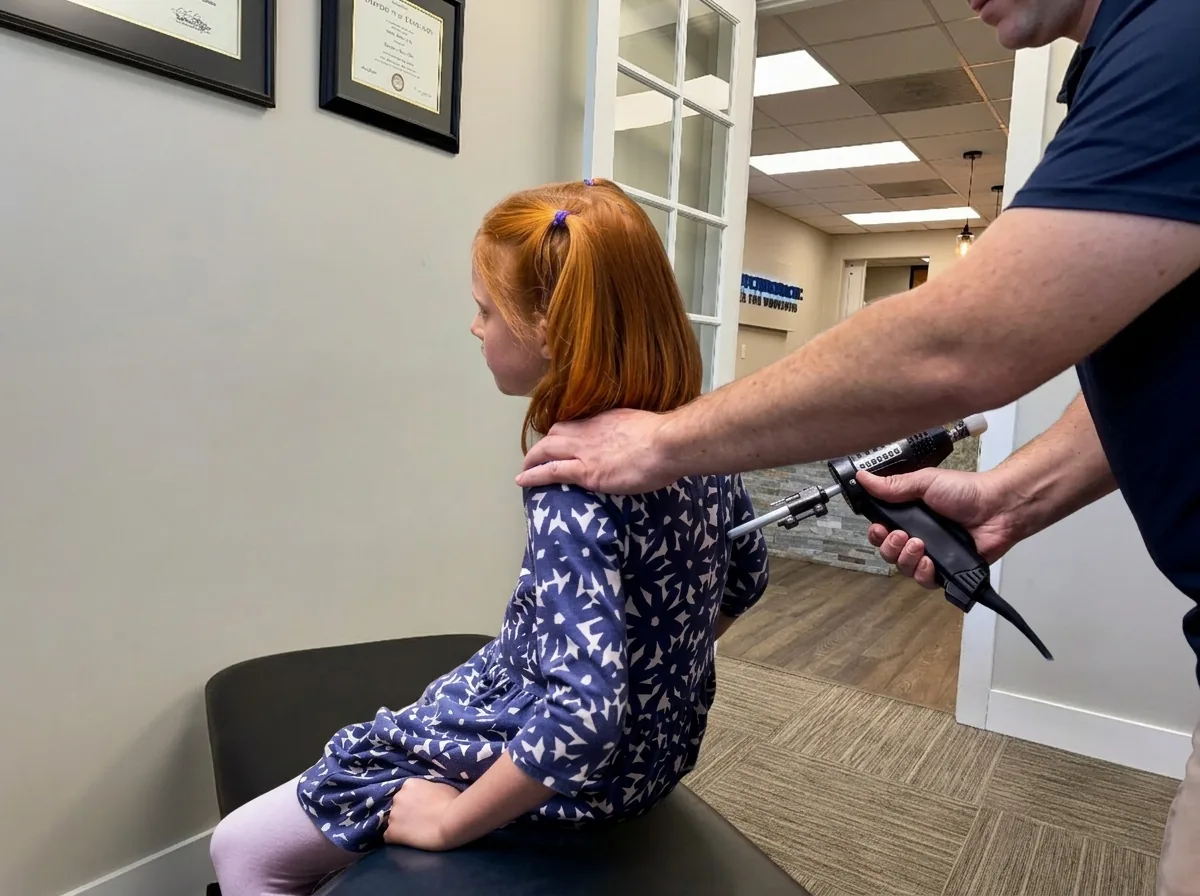
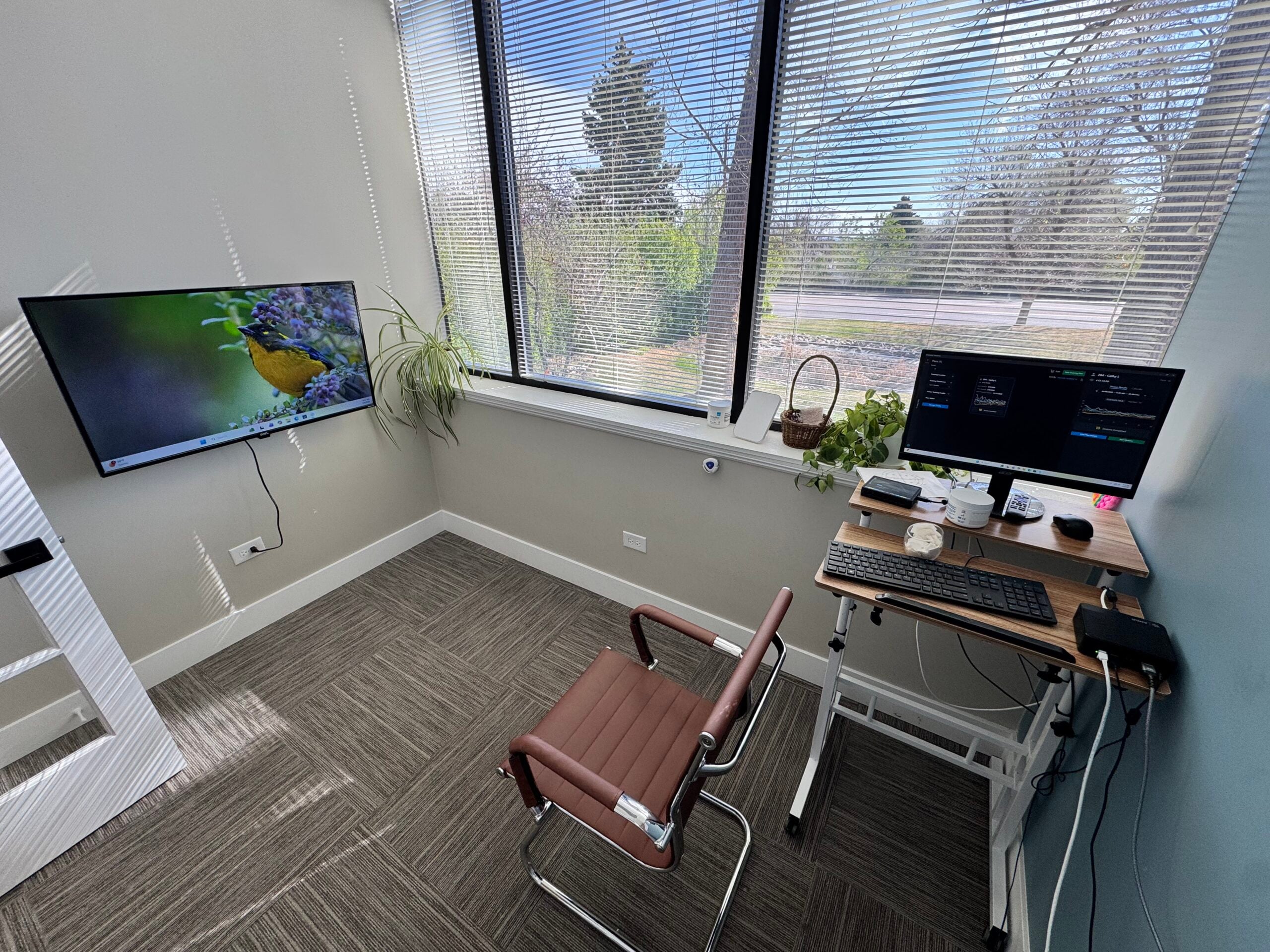
Dr. Dody has extensive experience working with children, from age 5 through adolescence. The neurofeedback process is engaging for kids — they watch a movie or play a video game that responds to their brain activity, making sessions feel rewarding rather than clinical.
We also offer pediatric chiropractic care using the same gentle, instrument-based KST technique used with adults. There is no cracking, twisting, or discomfort. Many parents are surprised at how quickly children adapt to sessions and how eagerly they look forward to returning.
If your child has been evaluated and has a learning disability diagnosis, bring any records you have to your first visit. If they haven’t been formally evaluated, we can map the brain and have a direct conversation about what the data shows. Either way, the free in-office evaluation is the right first step.
Your child’s brain can learn to work more efficiently. Let’s find out how.
Your free in-office evaluation is a no-pressure conversation about your child’s specific challenges — and an honest look at whether neurofeedback is a good fit.
7325 S Pierce St, Ste 102, Littleton, CO 80128 · Serving Highlands Ranch, Englewood, Centennial, Lakewood & greater Denver since 2003