
When it comes to nutrition, we’re constantly bombarded with mixed messages. Myths about what’s healthy and what’s not have a way of sticking around, confusing people about what’s best for their health. As a wellness chiropractor focused on functional nutrition, I often hear these myths repeated by patients who genuinely want to improve their well-being. So, let’s bust these myths once and for all and get clear on the fundamentals of a healthy diet!
Myth 1: All Calories Are Created Equal
When people talk about calories, it’s often in the context of weight loss or weight gain. But the truth is, not all calories are created equal. A calorie from processed foods like a doughnut, loaded with added sugar and trans fats, doesn’t provide the same nutritional value as a calorie from nutrient-rich foods like a handful of almonds. Foods high in refined carbohydrates and added sugars may add up in calories but lack the essential nutrients that our bodies need to thrive.
Why Nutrient-Dense Foods Matter More Than Calories
Focusing on nutrient-dense foods like fruits and vegetables, lean meats, whole grains, and healthy fats can make a significant difference in achieving optimal health. These foods provide fiber, essential amino acids, vitamins, and minerals that support immune function, energy, and overall wellness. When you choose whole grains over refined carbs, for instance, you’re fueling your body with nutrients that promote satiety and help regulate blood sugar levels, making it easier to manage your weight and avoid cravings.
The key takeaway? It’s not just about the number of calories, but the quality. Prioritizing foods with high nutritional value and avoiding highly processed foods can lead to better health outcomes, beyond just the calorie count.
Myth 2: Low-Fat Diets Are Healthier
For years, fat was considered the ultimate enemy, and low-fat diets became widely popular. Many food manufacturers responded by removing fat from their products, but to make these items palatable, they added sugar and refined carbohydrates. This swap may have improved the taste, but it also increased calories and made it easier for people to gain weight. Ironically, these “low-fat” options often lead to weight gain rather than helping people lose weight, as they lack the nutritional value needed to keep you full.
The Downside of “Low-Fat” Foods and Hidden Sugars
When fat is stripped from foods like fat-free yogurt, salad dressings, and processed snacks, they often lose flavor. To compensate, manufacturers add added sugars and refined ingredients, which may taste good but don’t provide any key nutrients. These sugars can lead to blood sugar spikes, increased hunger, and more calories consumed over time. So, while low-fat foods may sound like a healthy choice, they often create more cravings and make it harder to achieve your weight loss goals.
Why Healthy Fats Are Key to a Balanced Diet
In reality, not all fats are bad. In fact, high-fat foods from sources like olive oil, nut butter, and full-fat yogurt are vital for brain health, hormone regulation, and keeping you satisfied after meals. Including whole foods rich in vital nutrients and fats — such as avocados, fatty fish, and nut butters — can help with weight management by stabilizing blood sugar levels, preventing excess calorie intake, and providing the sustained energy your body needs.
Personal Tip: When I shifted to a diet that included balanced amounts of healthy fats, I noticed I stayed full for longer and experienced more consistent energy. My favorite snack is apple slices with almond butter — a combo that’s high in nutritional value, providing natural sugars and core nutrients to fuel my day.
Myth 3: You Need to Avoid Carbs to Lose Weight
Carbohydrates often get a bad rap, especially with the popularity of low-carb and fad diets focused on losing weight quickly. But the truth is, not all carbs are created equal. While refined carbohydrates like white bread and sugary snacks can lead to weight gain due to added sugars and lack of fiber, complex carbs from vegetables and seasonal fruits provide steady energy and critical nutrients that contribute to a healthy, balanced diet.
The Role of Complex Carbs in a Balanced Diet
Instead of eliminating carbs altogether, focus on complex carbohydrates from nutrient-dense sources like sweet potatoes, carrots, and occasional whole fruits and vegetables when they’re in season. These foods are packed with fiber, vitamins, and minerals that help support digestive health and offer health benefits that contribute to optimal health. Whole grains can also be beneficial in moderation, providing nutrients that aid in sustaining energy and managing blood sugar levels.
By choosing high nutrient foods and balancing your macronutrients — fats, proteins, and carbs — you can create a diet that not only helps with weight loss goals but also supports long-term wellness. Avoiding highly refined foods and focusing on foods rich in nutritional value can prevent the energy crashes that often come with diets heavy in refined carbs and added sugars.
Myth 4: Detox Diets Are Necessary for Cleansing
Detox diets have surged in popularity, claiming to cleanse the body and reset health. While some of these are fad diets with minimal long-term benefits, there’s a more personalized approach to supporting your body’s natural detoxification processes. Through hair toxicity testing, we can assess whether your body is effectively using its natural detox pathways or if it may benefit from extra support through specific nutrients.
Supporting Your Body’s Natural Detox Process
In our office, we often see that when a person’s body holds on to heavy metal toxicity, it can make losing weight much more challenging. These toxins can disrupt metabolic function, making it difficult to shed excess weight and affecting overall optimal health. Hair toxicity testing allows us to determine if heavy metals may be hindering these processes and enable us to create a targeted plan with the right nutrients to support efficient detoxification.
Instead of relying on restrictive detox or detox diets, a balanced approach involves proper hydration, fiber-rich foods, and plenty of fresh produce like fruits and vegetables. These power-packed foods provide antioxidants and fiber that naturally support the body’s detox pathways, aiding in healthy toxin elimination. With insights from toxicity testing, we can create a plan to enhance your body’s natural detoxification abilities, making it easier to reach your health and weight management goals.
Myth 5: You Need to Avoid Salt
Salt often gets a bad reputation, with many people thinking it should be avoided entirely. However, sodium is an essential nutrient that plays a key role in hydration, nerve function, and muscle health. The real issue lies not in the salt itself but in the type and quantity we consume.
Choosing the Right Kind and Amount of Salt
While processed foods are typically high in refined, heavily processed salt, using natural salts like sea salt or Himalayan salt in moderate amounts can actually benefit your health. These types of salt contain trace minerals that support electrolyte balance, which is essential for overall wellness. It’s the hidden salts in processed and packaged foods that tend to lead to excess intake, not the small amounts you might add to a home-cooked meal.
How to Use Salt Wisely
Instead of avoiding salt altogether, aim to use it purposefully. Enhance your meals with natural salts, and focus on a diet rich in fresh produce and whole foods. This way, you’re in control of your salt intake and can avoid the excess sodium that’s often hidden in processed foods. By choosing the right type and amount, you can keep your salt intake balanced, supporting your health without overdoing it.
Myth 6: Cholesterol Causes Heart Disease
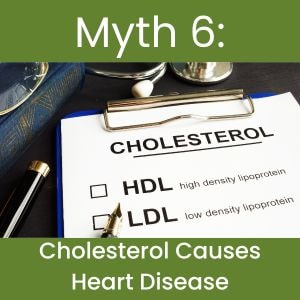
For years, dietary cholesterol has been blamed as the main culprit behind heart disease. However, the relationship between cholesterol levels and heart health is more complex than previously thought. While high cholesterol can be a risk factor, it’s essential to understand that cholesterol itself isn’t solely responsible for causing heart disease. In fact, your body needs cholesterol for vital functions, including producing vital nutrients like vitamin D and hormones.
Understanding the Role of Cholesterol in Heart Health
Not all cholesterol is created equal. High-density lipoprotein (HDL), often called “good” cholesterol, helps clear excess cholesterol from the bloodstream, while low-density lipoprotein (LDL), or “bad” cholesterol, can lead to plaque buildup if it oxidizes. It’s important to consider lifestyle factors, including diet, physical activity, and consumption of processed foods with added sugars and trans fats, which can contribute to inflammation and elevate heart disease risk more than cholesterol itself.
Supporting Heart Health with Whole Foods
Instead of focusing solely on lowering cholesterol, aim to eat a diet rich in nutrient-abundant foods like fruits and vegetables, whole grains, and good fats such as olive oil and fatty fish. These foods contain antioxidants and fiber that support cardiovascular health, lower inflammation, and promote overall optimal health. Limiting saturated and trans fats from highly processed foods can also reduce risk factors associated with heart disease. By prioritizing a balanced diet and lifestyle, you’re doing more for your heart health than just targeting cholesterol levels alone.
Myth 7: Breakfast Is the Most Important Meal of the Day
One of the long-standing nutrition myths is that “breakfast is the most important meal of the day.” Many believe that eating breakfast jumpstarts metabolism and is essential for health. However, recent studies and approaches like intermittent fasting suggest this isn’t necessarily true for everyone. Skipping breakfast or delaying it through intermittent fasting has shown benefits, including helping the body manage blood sugar levels, reducing inflammation, and supporting weight management by encouraging the consumption of fewer calories overall.
The Benefits of Intermittent Fasting for Blood Sugar and Inflammation
For many people, intermittent fasting — often meaning the first meal is later in the day — allows for natural blood sugar regulation and can lead to a reduced risk of health issues. By taking a break from constant eating, the body has time to balance insulin levels, control inflammation, and promote better metabolic health. With this approach, Americans consume fewer empty calories that often come from processed breakfast items, leading to better weight management and long-term wellness.
Finding What Works Best for Your Body
If breakfast gives you energy and helps you feel your best, there’s no need to give it up. But for those who prefer intermittent fasting, focusing on nutritionally packed foods later in the day can be just as beneficial. Whether you choose breakfast or delay eating, the key is to prioritize whole foods like fiber-rich vegetables, high quality fats, and proteins, which provide lasting energy and help support optimal health.
Myth 8: Eating Small Meals All Day Will Help You Lose Weight
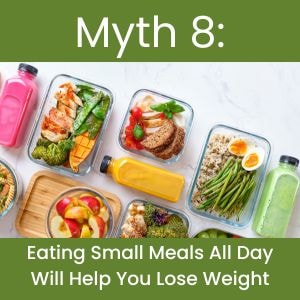
There’s a common belief that eating small, frequent meals throughout the day will help you lose weight by boosting metabolism and preventing hunger. However, there isn’t strong scientific evidence to support this claim. Unless you have a specific medical condition, eating fewer, balanced meals can actually make it easier to control calories and stay on track with a healthy diet.
The Reality of Smaller, Frequent Meals
For most people, eating small meals all day may lead to over-snacking, making it harder to manage calorie intake effectively. While frequent meals can help some individuals maintain blood sugar levels, eating fewer, well-rounded meals often promotes better satiety and helps prevent overeating. This approach can encourage more mindful, balanced food choices, like incorporating lean meats, whole grains, and fresh produce with high nutritional value.
Ultimately, the key to effective weight management is finding an eating pattern that aligns with your energy needs and keeps you satisfied without excess calories. Choosing nutrient-dense foods and making thoughtful food choices will support both your weight goals and optimal health in the long term.
Myth 9: Organic Food Isn’t Worth the Money
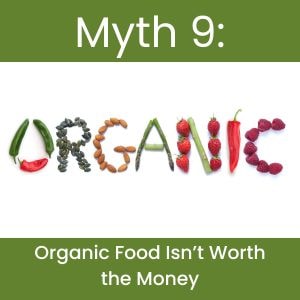
Organic food can sometimes be more expensive, leading people to wonder if it’s really worth it. But there are definite benefits, especially for certain fruits and vegetables that are more likely to carry pesticides, like strawberries, apples, and leafy greens. Choosing organic options can be particularly helpful for those with sensitivities or chronic health issues, such as digestive and kidney diseases or celiac disease, where reducing toxin exposure may support overall health.
Fruits & Veggies to Buy Organic
When it comes to choosing produce, many people are concerned about the chemicals sprayed on conventionally grown foods. One such chemical, glyphosate, is a widely used herbicide and a known carcinogen. Studies have linked glyphosate and other pesticides to potential health risks, especially when they are consumed regularly through fruits and vegetables. To reduce exposure to these chemicals, it’s helpful to prioritize buying organic for certain produce items that tend to carry higher pesticide residues.
High-Pesticide Produce: Best to Buy Organic
These fruits and vegetables frequently appear on the “Dirty Dozen” list, which ranks produce with the highest levels of pesticide residues. For these, organic is the better option:
- Strawberries: Strawberries consistently top the “Dirty Dozen” list due to their high pesticide content, making organic a priority.
- Spinach: Spinach often has a high level of pesticide residue, so buying organic can help reduce exposure.
- Kale: Another “Dirty Dozen” item, kale can be sprayed with multiple pesticides, so organic is a good choice to limit potential toxins.
Lower-Pesticide Produce: Safe to Buy Conventional
For produce that tends to have lower pesticide residues, conventional options may be a safer choice:
- Avocados: The thick skin acts as a natural barrier, reducing pesticide exposure, making conventionally grown avocados a good choice.
- Onions: With their outer layers removed before eating, onions generally have low pesticide residue.
- Pineapples: Like avocados, pineapples are peeled, reducing pesticide exposure, so conventional options are often acceptable.
- Sweet Corn: Typically protected by its husk, sweet corn has relatively low pesticide residues.
Making Informed Choices for Health
While choosing organic can be beneficial for high-pesticide produce, conventionally grown options with low pesticide residues can be a good choice if you’re on a budget. Ultimately, the decision to buy organic or conventional depends on your individual health priorities and concerns about pesticide exposure. If reducing potential carcinogens like glyphosate is important to you, focusing on organic options for high-risk produce can be an effective step toward minimizing toxin exposure.
Myth 10: Red Meat Is Bad for You
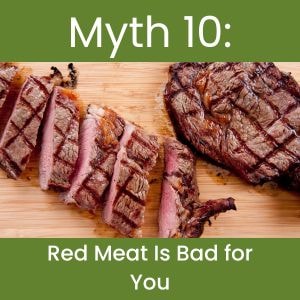
Red meat often gets a bad reputation due to concerns about saturated fats, cholesterol, and links to health issues. However, the truth is that the quality of the meat makes a significant difference. When sourced responsibly, free-range, grass-fed, and hormone-free red meat can be an excellent source of high-quality protein and essential nutrients.
Why Quality Matters in Red Meat
High-quality red meat that’s free from antibiotics and growth hormones offers benefits like complete proteins and essential nutrients like iron, zinc, and B vitamins, which are crucial for energy and muscle health. Grass-fed meat also has a healthier fatty acid profile, including higher levels of omega-3s, which support heart and brain health. The issues often arise with conventionally raised, processed red meats, which can contain additives and unhealthy fats.
Enjoying Red Meat as Part of a Balanced Diet
If you’re a meat-eater, choosing grass-fed, pasture-raised red meat can be part of a balanced, nutritious diet. Combine it with fresh vegetables and whole grains to round out your meals and add even more nutritional value. Moderation and quality are key — it’s less about avoiding red meat and more about making mindful, high-quality choices that support your health.
Personal Tip: In our wellness center, we encourage patients to look for local or trusted sources of meat. It’s amazing how much difference the right source can make in terms of both flavor and nutritional impact.
Final Thoughts
Nutrition doesn’t have to be complicated. By letting go of these myths and focusing on whole, nutrient-loaded foods, you’ll be on your way to optimal health. Remember, there’s no one-size-fits-all approach to eating healthy. Start by listening to your body, choosing real food over processed, and making sustainable choices that work for your lifestyle. With these tips, you’ll be better equipped to navigate the world of nutrition and find what truly makes you feel your best.
Ready to take control of your health and eliminate hidden toxins from your diet? At our wellness center in Littleton, CO, our functional nutrition services are designed to help you make the most informed, powerful choices for your well-being. With personalized guidance, we’ll help you navigate nutrition myths, identify key areas to boost your health, and create a plan that’s right for you. Don’t let misinformation hold you back from feeling your best—contact us today to start your journey toward vibrant, lasting health!
Leave a Reply