
Author: joe

  • Ketogenic Diet Talk

    A Keto Diet for Beginners: The #1 Ketogenic Guide

    Getting Started on Your Keto Journey

    picture of low carb food

    Are you looking to try the ketogenic diet but unsure where to begin? This guide provides everything you need to understand keto basics and how to get started.

    We explain the significant keto or high-fat diet variations so you can choose the right one for your goals. We also dive into the expected risks and significant rewards of keto, like improved energy, mental clarity, and weight loss for most people.

    You’ll get tips for keto success, including how to track macros, what to eat, and how to stick with the diet long-term.

    Follow along, and you’ll be equipped with the skills and knowledge to start your keto journey strong. Let’s unlock the many benefits of ketogenic 101 eating!

    Different Keto Diets

    Keto diet photo

    There are several variations of ketogenic diets:

    • Standard Ketogenic Diet: Provides 75% of calories from fat, 20% from protein, and 5% from carbs. Restrict carbs to 20-50 grams daily to ensure consistent ketone production and fat burning.
    • Cyclical Ketogenic Diet:  Follows standard keto ratios most days, with 1-2 “carb refeed” days per week. The refeed days help replenish glycogen stores while maintaining ketosis most of the time.
    • Targeted Ketogenic Diet: Allows extra carbs around workouts, usually 25-50 grams 30-60 minutes pre-workout. This provides glucose for intense training without disrupting ketosis.
    • High Protein Ketogenic Diet: Increases protein intake to around 30% of calories, restricting carbs and fat more. It claims to boost metabolism and preserve muscle but may inhibit ketosis.
    • Lazy Ketogenic Diet: Limits carbs to under 50 grams daily but doesn’t track macros. This free-form approach can make the high-fat diet more sustainable but may slow results.

    The different, targeted ketogenic diets allow customization for individual goals and needs. Try each to see which style of keto works best for you.

    How To Do Keto Macros
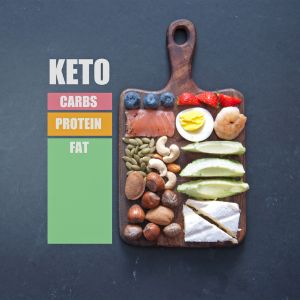
    Keto macros

    Calculating your optimal macro ratio is vital for both reaching ketosis and ensuring you meet your body’s needs while following the ketogenic diet. Here are some tips:

    • Use a keto macro calculator to estimate your calorie and macro needs based on age, height, current weight, and activity level.
    • Set your intake of protein at 0.6-0.8 grams per pound of lean body mass or higher if very active. Protein should account for 15-25% of total calories.
    • Restrict net carbs to under 50 grams or 5-10% of total calories. Lower carb intake can initially help speed ketosis.
    • Fill the rest of your calories from fat sources. Dietary fat should comprise around 70-80% of total calorie intake.
    • As you adjust to the low carb high-fat diet, modify macros based on your goals. Increase protein and lower fat for building muscle. Raise carbs slightly if struggling with workouts.
    • Weigh and track foods eaten using a tracking app. This ensures you stay within your carb limit and meet protein and calorie goals.

    Re-calculate macros every 10-15 pounds lost or as your fitness regimen changes. Adjusting macros periodically helps boost results.

    Setting macros doesn’t need to be complicated. Start with our calculator and fine-tune as required for your goals.

    Is The Keto Diet Safe?

    When intelligently formulated and implemented, the classic ketogenic diet can be safe for most healthy adults in the short term. However, there are some considerations:

    • Restrict carbohydrates cautiously. Cutting carbs too severely risks side effects like fatigue, nausea, constipation, cramping, and nutrient deficiencies. Reduce carbs gradually while increasing healthy fats.
    • Avoid starting keto without medical supervision if you have a health condition like diabetes, thyroid or gallbladder issues, take medications, or are pregnant or breastfeeding. These groups need close monitoring.
    • Watch for signs of low blood sugar, like dizziness, and monitor ketone levels to avoid overdoing carb restriction, especially if diabetic. Supplement electrolytes to reduce side effects.
    • Consider potential impacts on thyroid function, hormones, cholesterol levels, and gut health. Get lab work done routinely to catch any issues early.
    • Follow a well-formulated keto diet focused on whole, fiber-rich foods to meet micronutrient needs. Take a general multivitamin if desired.
    • Minimize processed meats and incorporate plant-based fats. Drink plenty of water and take breaks from the diet periodically.

    With intelligent management and medical guidance, keto can be safe for healthy individuals short-term. But monitor yourself carefully, especially if you have an underlying health condition.

    Control Blood Sugar on Ketogenic Diet

    Checking blood sugar

    As we have discussed above, one of the primary benefits of the ketogenic diet is its ability to lower blood glucose levels and improve insulin sensitivity. This makes low-carb keto helpful in managing type 2 diabetes.

    By restricting carbohydrates to under 50 grams per day, less sugar is available for the body to convert into glucose and spike blood glucose levels. Ketosis also reduces the need for insulin and helps cells uptake and utilize glucose more effectively.

    Multiple studies have shown the keto diet can lower HbA1c and improve insulin resistance in people with diabetes. Some research indicates it may even reverse diabetes in specific individuals if followed long-term.

    However, transitioning to a ketogenic diet can be tricky for diabetics on medication due to the risk of hypoglycemia. Blood serum sugar should be monitored closely and medications adjusted under medical supervision when adopting keto.

    For best diabetes management, focus on low glycemic index and high fiber carbs like leafy greens, nuts, and seeds when carbohydrate intake is increased after the initial keto period. Combining ketosis and low glycemic eating can stabilize blood glucose at healthy levels.

    Weight Loss Without Hunger

    The ketogenic diet often leads to weight loss without excessive hunger. Ketosis helps regulate hunger hormones like ghrelin and leptin for appetite control.

    Consuming filling proteins and fats ward off hunger pangs which helps a person lose weight. Lower insulin levels allow greater access to fat stores for energy. With hunger curbed on keto, calorie intake decreases without much conscious effort. Studies show keto dieters experience fewer food cravings and greater satisfaction from meals.

    By effectively controlling hunger and cravings, the ketogenic diet creates an optimal environment for weight loss without deprivation.
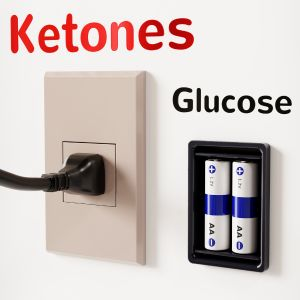
    plug into ketones

    Benefit: You May See Better Blood Glucose Control if You Have Type 2 Diabetes

    An abundance of research demonstrates the ketogenic diet can be very helpful for improving markers of metabolic and cardiovascular health, even in those with type 2 diabetes.

    By restricting carbohydrate intake, blood sugar levels remain stable instead of spiking and crashing after meals. Being in ketosis allows the body to access and utilize glucose more effectively with little need for insulin.

    Multiple studies show ketogenic diets can lower hemoglobin A1C levels, reduce the need for diabetes medication, and even put type 2 diabetes into remission in some cases when followed long-term.

    Other benefits for people with diabetes include weight loss, decreased inflammation, improved cholesterol, and reduced blood pressure.

    If you have type 2 diabetes and are interested in pursuing the ketogenic diet, consult your healthcare provider first. Medication dosages will likely need adjusting to prevent hypoglycemia. Frequent blood glucose checks are important, especially in the first few weeks.

    With proper medical guidance, keto can be a safe and effective approach for controlling type 2 diabetes and minimizing the risk of complications. A well-formulated low-carb or low-carb ketogenic diet should be strongly considered for those struggling with insulin resistance.

    Benefit: You May See Improvements in Your Athletic Performance

    Many athletes, from endurance runners to MMA fighters, have used the keto diet to enhance performance. One of the main benefits of ketogenic diets is that keto causes the body to rely more heavily on fat for fuel during exercise.

    Typically, exercise is fueled primarily by glycogen from carbohydrates. But glycogen stores are limited and can be depleted within 1-2 hours of intense training. Athletes on the keto diet can preserve glycogen by burning fat instead of carbs during exercise.

    This allows keto athletes to tap into a nearly unlimited energy source – body fat. When adapted to the diet, keto athletes can prolong endurance and avoid “hitting the wall” when glycogen runs out.

    Studies show being in ketosis for several weeks improves oxygen efficiency, which enhances endurance capacity. Other benefits include reduced inflammation and quicker post-workout recovery. However, explosive power may be reduced on keto due to low glycogen stores. The targeted keto diet with carb refeeds helps address this issue.

    Risk: You May Suffer Fatigue and Other Symptoms as a Result of the Keto Flu

    Woman suffering from keto flu

    When first transitioning into ketosis, many experience symptoms commonly called the “keto flu.” This occurs as the body adapts to relying on fat and ketones for energy instead of carbs and sugar.

    Symptoms of the keto flu can include headaches, muscle cramps, nausea, diarrhea, weakness, irritability, and, most notably, fatigue. Mental fogginess and difficulty concentrating are also common.

    These uncomfortable symptoms are temporary and tend to pass within 1-2 weeks as ketone production ramps up and the body burns fat efficiently. Still, the keto flu can be tough to deal with.

    Staying hydrated by drinking at least 2 liters of water daily can help minimize symptoms. Getting enough sodium, magnesium, and potassium is also crucial during the transition period. A targeted keto supplement can help provide electrolytes and MCT oil for energy.

    While annoying, remember the keto flu means the diet is working and your body is entering ketosis. The discomfort will soon subside, leading to the many benefits of keto, including sustained energy, weight loss, and mental clarity. Be patient during the adaptation phase.

    woman drinking water

    Risk: You May Experience Constipation if You Don’t Eat Enough Fruits and Veggies

    The keto or low carb diet eliminates many high-fiber foods like fruits, starchy vegetables, beans, and whole grains. This can leave you lacking dietary fiber, which is essential for healthy bowel movements.

    Fiber gives stool bulk and helps it move smoothly through the intestines. Without adequate fiber intake, stools become hard and difficult to pass, leading to constipation.

    On keto, it’s important to make sure you still consume plenty of low-carb, high-fiber veggies like leafy greens, broccoli, asparagus, artichokes, and avocado. Consider taking a fiber supplement as well.

    If constipation persists, try adding small portions of berries or soaked/sprouted nuts and seeds containing fiber and other constipation-relieving nutrients. Staying well hydrated on keto also helps maintain regularity.

    Risk: You May Experience Dangerous Low Blood Sugar if You Have Diabetes

    The keto diet can significantly lower blood glucose levels by restricting carbs and inhibiting insulin production. This blood sugar-lowering effect can be beneficial for diabetes management. However, people with diabetes using certain medications like insulin or sulfonylureas are at increased risk of hypoglycemia, or dangerously low blood sugar, when starting a very low-carb diet.

    Insulin and other glucose-lowering medications may need to be adjusted substantially to prevent hypoglycemia when transitioning to keto. Blood sugar levels should be monitored very closely to ensure they do not drop too low. Hypoglycemia causes shakiness, nausea, confusion, heart palpitations, and loss of consciousness if left untreated.

    People with diabetes interested in trying the keto diet should work closely with their healthcare provider to make medication and lifestyle adjustments to keep blood sugar levels in a safe range. It’s recommended to check glucose 4-6 times per day when first adopting keto. Medications need to be reduced incrementally and under medical supervision. With proper management, the keto diet can be safe for people with diabetes.

    Risk: You May Experience Weight Cycling and Negative Effects on Your Metabolism

    The keto diet is often used short-term to lose weight or prompt quick weight loss. However, frequently going on and off low-carb diets can lead to weight cycling or yo-yo dieting. This is the repeated loss and regain of body fat in response to dieting. Weight cycling can have detrimental effects on health and metabolism.

    When weight is regained after keto, a good portion of the body weight is often added back as body fat rather than lean tissue. This increases body fat set point over time. Weight cycling can also slow metabolic rate, skew hunger signals, and disrupt beneficial gut bacteria. Studies show people with a history of weight cycling have a more challenging time keeping weight off long-term than those with more stable weights.

    It’s best not to go off the keto diet cold turkey to reduce the risk of weight cycling. Gradually reintroduce healthy carbs over several weeks. Avoid frequently starting and stopping keto, which can shock the body. Develop sustainable, maintainable eating habits, that support stable weight maintenance after losing initial weight on keto. Consult a nutritionist or doctor to develop a lifestyle plan tailored to your needs.

    Risk: You May Harm Your Heart With the Diet’s Emphasis on Animal Fat and Protein

    Some experts have expressed concerns that the high amounts of saturated fat and animal protein in the typical ketogenic diet could negatively impact heart health by raising LDL cholesterol levels.

    Saturated fats from fatty cuts of meat, butter, cheese, and coconut oil may contribute to atherosclerosis over time, especially in those with a genetic predisposition.

    However, the relationship between saturated fat, cholesterol, and heart disease remains controversial. Some recent studies suggest saturated fat may not be as harmful as once believed. The rise in HDL cholesterol on keto may offset increases in LDL.

    Still, it may be prudent to include plant-based and unsaturated fats from sources like avocado, nuts, seeds, olive oil, and fatty fish when following the keto diet. Avoid processed meats and use higher-quality proteins such as grass-fed beef, pastured raised chickens, and wild-caught fish. Consult your doctor, get regular blood work done, and monitor any changes.

    With a well-formulated keto diet emphasizing healthy fats from whole food sources, potential heart risks are likely minimal. But individuals with a history of high cholesterol or heart disease should exercise caution.

    Picture of cows in field, high quality protein

    Fear of Too Much Protein

    Consuming adequate protein will not kick you out of ketosis. Protein only converts to glucose on a demand-driven basis and does not produce excess glucose like carbs.

    Aim for 0.6-1g of protein per pound of lean body mass to preserve muscle during weight loss on keto. Choose fatty cuts of meat and balance them with non-animal sources. With proper carb restriction, higher intake of protein can be incorporated into a keto diet.

    Are All Carbs the Same? Net Carbs and the Keto Diet

    When tracking macronutrients on a ketogenic diet, it’s important to understand the difference between total carbohydrates and net carbs.

    The keto diet limits daily carbohydrate consumption to 50 grams or less of net carbs. Net carbs are calculated by subtracting fiber grams from total carbs.

    Fiber is excluded because it passes through the body undigested without raising blood sugar or insulin levels. Fiber also helps promote feelings of fullness and healthy digestion.

    Meanwhile, sugars and starches are broken down into glucose during digestion, which does impact blood sugar and insulin. That’s why these carbs need to be restricted on keto.

    Foods like non-starchy vegetables, nuts, and seeds contain plenty of fiber relative to total carbs. So although their total carb count may seem high, their usable net carb count is low.

    To accurately track macros in a way that maintains ketosis, always pay attention to the net carb amounts rather than just total carbs. This more precisely accounts for the carbs that directly impact ketosis and blood sugar levels.

    Tips for Reaching Ketosis

    Ketones as fuel

    Here are some practical tips to help you get into ketosis quickly and start tapping into burning body fat for fuel:

    • Restrict total carbs to 20-50g daily, focusing on low-carb veggies, nuts, seeds, meats, eggs, and high-fat dairy. This low-carb intake will deplete glucose stores and shift the body into ketosis.
    • Increase healthy fat intake using olive oil, coconut oil, avocado, fatty fish, and nuts. Dietary fat provides the energy needed as you transition away from carbs. Target 65-80% of calories from fat.
    • Moderate protein intake to just what the body needs, around 0.6-0.8g per pound of lean body mass. Excess protein gets converted to glucose which can stall ketosis.
    • Stay hydrated with 2-4 liters of water daily to flush out toxins as the body adapts. Electrolytes are also vital – get extra salt, magnesium, and potassium.
    • Exercise, fasting, and MCT oil may help accelerate the onset of ketosis. Be patient; it can take a week or more to adapt fully.
    • Use ketone test strips to track entering ketosis. Urine strips change color when ketones are present. Blood meters also measure circulating ketones.

    Stick with the low-carb, high-fat keto diet for 4-6 weeks until the body fully adapts to the low-carbohydrate diet, using fat and ketones instead of glucose for fuel.

    Avoid These Foods When On A Keto Diet

    fruits and grains

    When following a ketogenic diet, certain foods need to be limited or avoided altogether due to their high carbohydrate content:

    • Grains like bread, pasta, rice, cereals, etc., are very high in carbs. Even whole grains are too carb-heavy for keto.
    • Starchy vegetables, including potatoes, sweet potatoes, corn, peas, root vegetables, etc. Moderate carb veggies instead.
    • Fruits other than small portions of berries. Fruits contain natural sugars called fructose that can easily throw you out of ketosis.
    • Beans, legumes, and lentils are too high in carbs for keto. This includes foods like baked beans, kidney beans, chickpeas, etc.
    • Milk and yogurt contain lactose sugar, so they are limited to keto. Opt for unsweetened almond or coconut milk and plain full-fat Greek yogurt.
    • Sugary foods like soda, fruit juice, smoothies, cake, ice cream, candy, etc., are absolute stayaways. Avoid added sugars, honey, and maple syrup.
    • Be mindful of sneaky carb sources like certain condiments, sauces, protein bars, alcoholic mixers, and “low-fat” diet foods. Check labels.
    • Most diet sodas, while sugar-free, can also stall keto progress. Opt for water, unsweetened tea, or coffee instead.

    Consult a keto food list to identify off-limit carb-heavy items. Stick to meats, eggs, non-starchy veggies, high-fat dairy, nuts, seeds, and berries.

    Stock Your Keto Kitchen with Ingredients and Tools

    When first starting a ketogenic diet, it’s essential to stock up on the right low-carb foods and kitchen tools to set yourself up for success:

    • Base proteins: Meat, poultry, fish, eggs, tempeh, tofu. Grass-fed, pasture-raised, and wild-caught options are the healthiest.
    • Fats and oils: Extra virgin olive oil, avocado oil, coconut oil, ghee, lard, tallow, and nut oils. Have both cooking and salad oils.
    • Nuts and seeds: Almonds, walnuts, macadamia, pumpkin seeds, sunflower seeds, etc. Buy unsalted raw or toasted varieties.
    • Non-starchy veggies: Leafy greens, broccoli, cauliflower, asparagus, peppers, cucumber, mushrooms, etc.
    • Dairy: Butter, cream, hard cheeses, plain full-fat Greek yogurt, unsweetened milk alternatives.
    • Berries: Raspberries, blackberries, and blueberries in moderation. Be mindful of carb counts.
    • Pantry items: Coconut, olives, pickles, spices, seasonings, baking items. Stock up on canned fish and meat.
    • Keto snacks: Nuts, seeds, jerky, nut butter, greens powder, pork rinds, Parmesan crisps, dark chocolate.
    • Kitchen tools: Food scale, measuring cups, meal prep containers, high-power blender, MCT oil, ketone test strips.

    Having the right ingredients and tools makes starting and sticking to a keto diet much easier. Shop keto-friendly grocery sections and farmer’s markets.

    Chasing Higher Ketone Levels

    Ketone blood test

    When first adopting a ketogenic diet, getting excited about elevating ketone levels is expected. However, blood ketone concentrations do not need to be extremely high to receive the benefits of ketosis.

    Racemic ketone levels of 0.5-3.0 mmol/L are sufficient for most people to experience fat burning, appetite suppression, mental clarity, and other effects. Higher readings beyond 3.0 mmol/L may not provide additional benefits.

    Pursuing very high ketone levels usually involves excessive carbohydrate and protein restriction. This highly restrictive approach may boost ketones briefly but is difficult to sustain long-term.

    Restricting carbs and protein too severely can lead to negative impacts like loss of lean muscle mass, poor athletic performance, instability in blood glucose levels, and micronutrient deficiencies.

    The optimal range for nutritional ketosis provides ideal ketone elevation while meeting the body’s needs. An ultra-low-carb diet to artificially drive up ketones is likely unnecessary for most people.

    Focus instead on keeping carbs low enough for consistent ketosis day-to-day rather than chasing high ketone numbers. This balanced approach is more sustainable and ultimately leads to greater keto success.

    How long can you follow the keto diet?

    For treating epilepsy, keto can be followed lifelong under medical supervision. For adults using keto for weight loss or diabetes, limit strict keto to 6 months or less due to potential long-term risks like kidney stones, nutrient deficiencies, and metabolism issues.

    Cyclical keto with 1-2 higher carb days weekly or taking a 1-2 month break every six months makes the diet safer for long-term use.

    Another option is to strictly follow a standard keto diet for 3-6 months, then take a break for 1-2 months while adding more carbs. You can then have fewer carbs and return to ketosis if desired. This on-and-off cycle makes keto more sustainable.

    Listen to your body, get medical check-ups, and take diet breaks. With smart management, keto can be safely implemented long-term.

    Conclusion

    The ketogenic diet holds promise for weight loss, health improvement, and optimized performance. But embarking on the keto journey requires a solid understanding of the varying diet types, potential benefits and risks, and keys to success.

    In reviewing the major keto diet variations—from standard to cyclical and targeted approaches—it’s clear there are flexible options to suit individual needs. While keto can deliver transformative results, there are also possible downsides like the “keto flu” to consider.

    Most people can achieve ketosis with diligent carb restriction, adequate protein intake, and a focus on healthy fats. But maintaining electrolytes, micronutrients, hydration, and fiber intake is critical to feel your best in ketosis. Getting the right macros specific to your body and activity level also optimizes the results.

    While continuing ketosis long-term may not be advisable due to potential risks, cyclical and well-formulated keto diets can be maintained safely under the guidance of a medical professional. With the in-depth knowledge provided throughout this guide, you are equipped to embark on your keto journey strategically and mindfully.

    If you’re ready to start your ketogenic diet journey, the professionals at Dody Chiropractic Center for Wholeness in Littleton, CO can help. Our team develops customized keto programs to meet your unique goals. We offer one-on-one support and advanced metabolic testing to ensure your success on the ketogenic diet. Don’t go it alone – get the guidance you need. Call Dody Chiropractic Center for Wholeness in Littleton at 303-794-1737 or online today to schedule a consultation!

  • Ketogenic Diet Talk

    A Keto Diet for Beginners: The #1 Ketogenic Guide

    Getting Started on Your Keto Journey

    picture of low carb food

    Are you looking to try the ketogenic diet but unsure where to begin? This guide provides everything you need to understand keto basics and how to get started.

    We explain the significant keto or high-fat diet variations so you can choose the right one for your goals. We also dive into the expected risks and significant rewards of keto, like improved energy, mental clarity, and weight loss for most people.

    You’ll get tips for keto success, including how to track macros, what to eat, and how to stick with the diet long-term.

    Follow along, and you’ll be equipped with the skills and knowledge to start your keto journey strong. Let’s unlock the many benefits of ketogenic 101 eating!

    Different Keto Diets

    Keto diet photo

    There are several variations of ketogenic diets:

    • Standard Ketogenic Diet: Provides 75% of calories from fat, 20% from protein, and 5% from carbs. Restrict carbs to 20-50 grams daily to ensure consistent ketone production and fat burning.
    • Cyclical Ketogenic Diet:  Follows standard keto ratios most days, with 1-2 “carb refeed” days per week. The refeed days help replenish glycogen stores while maintaining ketosis most of the time.
    • Targeted Ketogenic Diet: Allows extra carbs around workouts, usually 25-50 grams 30-60 minutes pre-workout. This provides glucose for intense training without disrupting ketosis.
    • High Protein Ketogenic Diet: Increases protein intake to around 30% of calories, restricting carbs and fat more. It claims to boost metabolism and preserve muscle but may inhibit ketosis.
    • Lazy Ketogenic Diet: Limits carbs to under 50 grams daily but doesn’t track macros. This free-form approach can make the high-fat diet more sustainable but may slow results.

    The different, targeted ketogenic diets allow customization for individual goals and needs. Try each to see which style of keto works best for you.

    How To Do Keto Macros

    Keto macros

    Calculating your optimal macro ratio is vital for both reaching ketosis and ensuring you meet your body’s needs while following the ketogenic diet. Here are some tips:

    • Use a keto macro calculator to estimate your calorie and macro needs based on age, height, current weight, and activity level.
    • Set your intake of protein at 0.6-0.8 grams per pound of lean body mass or higher if very active. Protein should account for 15-25% of total calories.
    • Restrict net carbs to under 50 grams or 5-10% of total calories. Lower carb intake can initially help speed ketosis.
    • Fill the rest of your calories from fat sources. Dietary fat should comprise around 70-80% of total calorie intake.
    • As you adjust to the low carb high-fat diet, modify macros based on your goals. Increase protein and lower fat for building muscle. Raise carbs slightly if struggling with workouts.
    • Weigh and track foods eaten using a tracking app. This ensures you stay within your carb limit and meet protein and calorie goals.

    Re-calculate macros every 10-15 pounds lost or as your fitness regimen changes. Adjusting macros periodically helps boost results.

    Setting macros doesn’t need to be complicated. Start with our calculator and fine-tune as required for your goals.

    Is The Keto Diet Safe?

    When intelligently formulated and implemented, the classic ketogenic diet can be safe for most healthy adults in the short term. However, there are some considerations:

    • Restrict carbohydrates cautiously. Cutting carbs too severely risks side effects like fatigue, nausea, constipation, cramping, and nutrient deficiencies. Reduce carbs gradually while increasing healthy fats.
    • Avoid starting keto without medical supervision if you have a health condition like diabetes, thyroid or gallbladder issues, take medications, or are pregnant or breastfeeding. These groups need close monitoring.
    • Watch for signs of low blood sugar, like dizziness, and monitor ketone levels to avoid overdoing carb restriction, especially if diabetic. Supplement electrolytes to reduce side effects.
    • Consider potential impacts on thyroid function, hormones, cholesterol levels, and gut health. Get lab work done routinely to catch any issues early.
    • Follow a well-formulated keto diet focused on whole, fiber-rich foods to meet micronutrient needs. Take a general multivitamin if desired.
    • Minimize processed meats and incorporate plant-based fats. Drink plenty of water and take breaks from the diet periodically.

    With intelligent management and medical guidance, keto can be safe for healthy individuals short-term. But monitor yourself carefully, especially if you have an underlying health condition.

    Control Blood Sugar on Ketogenic Diet

    Checking blood sugar

    As we have discussed above, one of the primary benefits of the ketogenic diet is its ability to lower blood glucose levels and improve insulin sensitivity. This makes low-carb keto helpful in managing type 2 diabetes.

    By restricting carbohydrates to under 50 grams per day, less sugar is available for the body to convert into glucose and spike blood glucose levels. Ketosis also reduces the need for insulin and helps cells uptake and utilize glucose more effectively.

    Multiple studies have shown the keto diet can lower HbA1c and improve insulin resistance in people with diabetes. Some research indicates it may even reverse diabetes in specific individuals if followed long-term.

    However, transitioning to a ketogenic diet can be tricky for diabetics on medication due to the risk of hypoglycemia. Blood serum sugar should be monitored closely and medications adjusted under medical supervision when adopting keto.

    For best diabetes management, focus on low glycemic index and high fiber carbs like leafy greens, nuts, and seeds when carbohydrate intake is increased after the initial keto period. Combining ketosis and low glycemic eating can stabilize blood glucose at healthy levels.

    Weight Loss Without Hunger

    The ketogenic diet often leads to weight loss without excessive hunger. Ketosis helps regulate hunger hormones like ghrelin and leptin for appetite control.

    Consuming filling proteins and fats ward off hunger pangs which helps a person lose weight. Lower insulin levels allow greater access to fat stores for energy. With hunger curbed on keto, calorie intake decreases without much conscious effort. Studies show keto dieters experience fewer food cravings and greater satisfaction from meals.

    By effectively controlling hunger and cravings, the ketogenic diet creates an optimal environment for weight loss without deprivation.

    plug into ketones

    Benefit: You May See Better Blood Glucose Control if You Have Type 2 Diabetes

    An abundance of research demonstrates the ketogenic diet can be very helpful for improving markers of metabolic and cardiovascular health, even in those with type 2 diabetes.

    By restricting carbohydrate intake, blood sugar levels remain stable instead of spiking and crashing after meals. Being in ketosis allows the body to access and utilize glucose more effectively with little need for insulin.

    Multiple studies show ketogenic diets can lower hemoglobin A1C levels, reduce the need for diabetes medication, and even put type 2 diabetes into remission in some cases when followed long-term.

    Other benefits for people with diabetes include weight loss, decreased inflammation, improved cholesterol, and reduced blood pressure.

    If you have type 2 diabetes and are interested in pursuing the ketogenic diet, consult your healthcare provider first. Medication dosages will likely need adjusting to prevent hypoglycemia. Frequent blood glucose checks are important, especially in the first few weeks.

    With proper medical guidance, keto can be a safe and effective approach for controlling type 2 diabetes and minimizing the risk of complications. A well-formulated low-carb or low-carb ketogenic diet should be strongly considered for those struggling with insulin resistance.

    Benefit: You May See Improvements in Your Athletic Performance

    Many athletes, from endurance runners to MMA fighters, have used the keto diet to enhance performance. One of the main benefits of ketogenic diets is that keto causes the body to rely more heavily on fat for fuel during exercise.

    Typically, exercise is fueled primarily by glycogen from carbohydrates. But glycogen stores are limited and can be depleted within 1-2 hours of intense training. Athletes on the keto diet can preserve glycogen by burning fat instead of carbs during exercise.

    This allows keto athletes to tap into a nearly unlimited energy source – body fat. When adapted to the diet, keto athletes can prolong endurance and avoid “hitting the wall” when glycogen runs out.

    Studies show being in ketosis for several weeks improves oxygen efficiency, which enhances endurance capacity. Other benefits include reduced inflammation and quicker post-workout recovery. However, explosive power may be reduced on keto due to low glycogen stores. The targeted keto diet with carb refeeds helps address this issue.

    Risk: You May Suffer Fatigue and Other Symptoms as a Result of the Keto Flu

    Woman suffering from keto flu

    When first transitioning into ketosis, many experience symptoms commonly called the “keto flu.” This occurs as the body adapts to relying on fat and ketones for energy instead of carbs and sugar.

    Symptoms of the keto flu can include headaches, muscle cramps, nausea, diarrhea, weakness, irritability, and, most notably, fatigue. Mental fogginess and difficulty concentrating are also common.

    These uncomfortable symptoms are temporary and tend to pass within 1-2 weeks as ketone production ramps up and the body burns fat efficiently. Still, the keto flu can be tough to deal with.

    Staying hydrated by drinking at least 2 liters of water daily can help minimize symptoms. Getting enough sodium, magnesium, and potassium is also crucial during the transition period. A targeted keto supplement can help provide electrolytes and MCT oil for energy.

    While annoying, remember the keto flu means the diet is working and your body is entering ketosis. The discomfort will soon subside, leading to the many benefits of keto, including sustained energy, weight loss, and mental clarity. Be patient during the adaptation phase.

    woman drinking water

    Risk: You May Experience Constipation if You Don’t Eat Enough Fruits and Veggies

    The keto or low carb diet eliminates many high-fiber foods like fruits, starchy vegetables, beans, and whole grains. This can leave you lacking dietary fiber, which is essential for healthy bowel movements.

    Fiber gives stool bulk and helps it move smoothly through the intestines. Without adequate fiber intake, stools become hard and difficult to pass, leading to constipation.

    On keto, it’s important to make sure you still consume plenty of low-carb, high-fiber veggies like leafy greens, broccoli, asparagus, artichokes, and avocado. Consider taking a fiber supplement as well.

    If constipation persists, try adding small portions of berries or soaked/sprouted nuts and seeds containing fiber and other constipation-relieving nutrients. Staying well hydrated on keto also helps maintain regularity.

    Risk: You May Experience Dangerous Low Blood Sugar if You Have Diabetes

    The keto diet can significantly lower blood glucose levels by restricting carbs and inhibiting insulin production. This blood sugar-lowering effect can be beneficial for diabetes management. However, people with diabetes using certain medications like insulin or sulfonylureas are at increased risk of hypoglycemia, or dangerously low blood sugar, when starting a very low-carb diet.

    Insulin and other glucose-lowering medications may need to be adjusted substantially to prevent hypoglycemia when transitioning to keto. Blood sugar levels should be monitored very closely to ensure they do not drop too low. Hypoglycemia causes shakiness, nausea, confusion, heart palpitations, and loss of consciousness if left untreated.

    People with diabetes interested in trying the keto diet should work closely with their healthcare provider to make medication and lifestyle adjustments to keep blood sugar levels in a safe range. It’s recommended to check glucose 4-6 times per day when first adopting keto. Medications need to be reduced incrementally and under medical supervision. With proper management, the keto diet can be safe for people with diabetes.

    Risk: You May Experience Weight Cycling and Negative Effects on Your Metabolism

    The keto diet is often used short-term to lose weight or prompt quick weight loss. However, frequently going on and off low-carb diets can lead to weight cycling or yo-yo dieting. This is the repeated loss and regain of body fat in response to dieting. Weight cycling can have detrimental effects on health and metabolism.

    When weight is regained after keto, a good portion of the body weight is often added back as body fat rather than lean tissue. This increases body fat set point over time. Weight cycling can also slow metabolic rate, skew hunger signals, and disrupt beneficial gut bacteria. Studies show people with a history of weight cycling have a more challenging time keeping weight off long-term than those with more stable weights.

    It’s best not to go off the keto diet cold turkey to reduce the risk of weight cycling. Gradually reintroduce healthy carbs over several weeks. Avoid frequently starting and stopping keto, which can shock the body. Develop sustainable, maintainable eating habits, that support stable weight maintenance after losing initial weight on keto. Consult a nutritionist or doctor to develop a lifestyle plan tailored to your needs.

    Risk: You May Harm Your Heart With the Diet’s Emphasis on Animal Fat and Protein

    Some experts have expressed concerns that the high amounts of saturated fat and animal protein in the typical ketogenic diet could negatively impact heart health by raising LDL cholesterol levels.

    Saturated fats from fatty cuts of meat, butter, cheese, and coconut oil may contribute to atherosclerosis over time, especially in those with a genetic predisposition.

    However, the relationship between saturated fat, cholesterol, and heart disease remains controversial. Some recent studies suggest saturated fat may not be as harmful as once believed. The rise in HDL cholesterol on keto may offset increases in LDL.

    Still, it may be prudent to include plant-based and unsaturated fats from sources like avocado, nuts, seeds, olive oil, and fatty fish when following the keto diet. Avoid processed meats and use higher-quality proteins such as grass-fed beef, pastured raised chickens, and wild-caught fish. Consult your doctor, get regular blood work done, and monitor any changes.

    With a well-formulated keto diet emphasizing healthy fats from whole food sources, potential heart risks are likely minimal. But individuals with a history of high cholesterol or heart disease should exercise caution.

    Picture of cows in field, high quality protein

    Fear of Too Much Protein

    Consuming adequate protein will not kick you out of ketosis. Protein only converts to glucose on a demand-driven basis and does not produce excess glucose like carbs.

    Aim for 0.6-1g of protein per pound of lean body mass to preserve muscle during weight loss on keto. Choose fatty cuts of meat and balance them with non-animal sources. With proper carb restriction, higher intake of protein can be incorporated into a keto diet.

    Are All Carbs the Same? Net Carbs and the Keto Diet

    When tracking macronutrients on a ketogenic diet, it’s important to understand the difference between total carbohydrates and net carbs.

    The keto diet limits daily carbohydrate consumption to 50 grams or less of net carbs. Net carbs are calculated by subtracting fiber grams from total carbs.

    Fiber is excluded because it passes through the body undigested without raising blood sugar or insulin levels. Fiber also helps promote feelings of fullness and healthy digestion.

    Meanwhile, sugars and starches are broken down into glucose during digestion, which does impact blood sugar and insulin. That’s why these carbs need to be restricted on keto.

    Foods like non-starchy vegetables, nuts, and seeds contain plenty of fiber relative to total carbs. So although their total carb count may seem high, their usable net carb count is low.

    To accurately track macros in a way that maintains ketosis, always pay attention to the net carb amounts rather than just total carbs. This more precisely accounts for the carbs that directly impact ketosis and blood sugar levels.

    Tips for Reaching Ketosis

    Ketones as fuel

    Here are some practical tips to help you get into ketosis quickly and start tapping into burning body fat for fuel:

    • Restrict total carbs to 20-50g daily, focusing on low-carb veggies, nuts, seeds, meats, eggs, and high-fat dairy. This low-carb intake will deplete glucose stores and shift the body into ketosis.
    • Increase healthy fat intake using olive oil, coconut oil, avocado, fatty fish, and nuts. Dietary fat provides the energy needed as you transition away from carbs. Target 65-80% of calories from fat.
    • Moderate protein intake to just what the body needs, around 0.6-0.8g per pound of lean body mass. Excess protein gets converted to glucose which can stall ketosis.
    • Stay hydrated with 2-4 liters of water daily to flush out toxins as the body adapts. Electrolytes are also vital – get extra salt, magnesium, and potassium.
    • Exercise, fasting, and MCT oil may help accelerate the onset of ketosis. Be patient; it can take a week or more to adapt fully.
    • Use ketone test strips to track entering ketosis. Urine strips change color when ketones are present. Blood meters also measure circulating ketones.

    Stick with the low-carb, high-fat keto diet for 4-6 weeks until the body fully adapts to the low-carbohydrate diet, using fat and ketones instead of glucose for fuel.

    Avoid These Foods When On A Keto Diet

    fruits and grains

    When following a ketogenic diet, certain foods need to be limited or avoided altogether due to their high carbohydrate content:

    • Grains like bread, pasta, rice, cereals, etc., are very high in carbs. Even whole grains are too carb-heavy for keto.
    • Starchy vegetables, including potatoes, sweet potatoes, corn, peas, root vegetables, etc. Moderate carb veggies instead.
    • Fruits other than small portions of berries. Fruits contain natural sugars called fructose that can easily throw you out of ketosis.
    • Beans, legumes, and lentils are too high in carbs for keto. This includes foods like baked beans, kidney beans, chickpeas, etc.
    • Milk and yogurt contain lactose sugar, so they are limited to keto. Opt for unsweetened almond or coconut milk and plain full-fat Greek yogurt.
    • Sugary foods like soda, fruit juice, smoothies, cake, ice cream, candy, etc., are absolute stayaways. Avoid added sugars, honey, and maple syrup.
    • Be mindful of sneaky carb sources like certain condiments, sauces, protein bars, alcoholic mixers, and “low-fat” diet foods. Check labels.
    • Most diet sodas, while sugar-free, can also stall keto progress. Opt for water, unsweetened tea, or coffee instead.

    Consult a keto food list to identify off-limit carb-heavy items. Stick to meats, eggs, non-starchy veggies, high-fat dairy, nuts, seeds, and berries.

    Stock Your Keto Kitchen with Ingredients and Tools

    When first starting a ketogenic diet, it’s essential to stock up on the right low-carb foods and kitchen tools to set yourself up for success:

    • Base proteins: Meat, poultry, fish, eggs, tempeh, tofu. Grass-fed, pasture-raised, and wild-caught options are the healthiest.
    • Fats and oils: Extra virgin olive oil, avocado oil, coconut oil, ghee, lard, tallow, and nut oils. Have both cooking and salad oils.
    • Nuts and seeds: Almonds, walnuts, macadamia, pumpkin seeds, sunflower seeds, etc. Buy unsalted raw or toasted varieties.
    • Non-starchy veggies: Leafy greens, broccoli, cauliflower, asparagus, peppers, cucumber, mushrooms, etc.
    • Dairy: Butter, cream, hard cheeses, plain full-fat Greek yogurt, unsweetened milk alternatives.
    • Berries: Raspberries, blackberries, and blueberries in moderation. Be mindful of carb counts.
    • Pantry items: Coconut, olives, pickles, spices, seasonings, baking items. Stock up on canned fish and meat.
    • Keto snacks: Nuts, seeds, jerky, nut butter, greens powder, pork rinds, Parmesan crisps, dark chocolate.
    • Kitchen tools: Food scale, measuring cups, meal prep containers, high-power blender, MCT oil, ketone test strips.

    Having the right ingredients and tools makes starting and sticking to a keto diet much easier. Shop keto-friendly grocery sections and farmer’s markets.

    Chasing Higher Ketone Levels

    Ketone blood test

    When first adopting a ketogenic diet, getting excited about elevating ketone levels is expected. However, blood ketone concentrations do not need to be extremely high to receive the benefits of ketosis.

    Racemic ketone levels of 0.5-3.0 mmol/L are sufficient for most people to experience fat burning, appetite suppression, mental clarity, and other effects. Higher readings beyond 3.0 mmol/L may not provide additional benefits.

    Pursuing very high ketone levels usually involves excessive carbohydrate and protein restriction. This highly restrictive approach may boost ketones briefly but is difficult to sustain long-term.

    Restricting carbs and protein too severely can lead to negative impacts like loss of lean muscle mass, poor athletic performance, instability in blood glucose levels, and micronutrient deficiencies.

    The optimal range for nutritional ketosis provides ideal ketone elevation while meeting the body’s needs. An ultra-low-carb diet to artificially drive up ketones is likely unnecessary for most people.

    Focus instead on keeping carbs low enough for consistent ketosis day-to-day rather than chasing high ketone numbers. This balanced approach is more sustainable and ultimately leads to greater keto success.

    How long can you follow the keto diet?

    For treating epilepsy, keto can be followed lifelong under medical supervision. For adults using keto for weight loss or diabetes, limit strict keto to 6 months or less due to potential long-term risks like kidney stones, nutrient deficiencies, and metabolism issues.

    Cyclical keto with 1-2 higher carb days weekly or taking a 1-2 month break every six months makes the diet safer for long-term use.

    Another option is to strictly follow a standard keto diet for 3-6 months, then take a break for 1-2 months while adding more carbs. You can then have fewer carbs and return to ketosis if desired. This on-and-off cycle makes keto more sustainable.

    Listen to your body, get medical check-ups, and take diet breaks. With smart management, keto can be safely implemented long-term.

    Conclusion

    The ketogenic diet holds promise for weight loss, health improvement, and optimized performance. But embarking on the keto journey requires a solid understanding of the varying diet types, potential benefits and risks, and keys to success.

    In reviewing the major keto diet variations—from standard to cyclical and targeted approaches—it’s clear there are flexible options to suit individual needs. While keto can deliver transformative results, there are also possible downsides like the “keto flu” to consider.

    Most people can achieve ketosis with diligent carb restriction, adequate protein intake, and a focus on healthy fats. But maintaining electrolytes, micronutrients, hydration, and fiber intake is critical to feel your best in ketosis. Getting the right macros specific to your body and activity level also optimizes the results.

    While continuing ketosis long-term may not be advisable due to potential risks, cyclical and well-formulated keto diets can be maintained safely under the guidance of a medical professional. With the in-depth knowledge provided throughout this guide, you are equipped to embark on your keto journey strategically and mindfully.

    If you’re ready to start your ketogenic diet journey, the professionals at Dody Chiropractic Center for Wholeness in Littleton, CO can help. Our team develops customized keto programs to meet your unique goals. We offer one-on-one support and advanced metabolic testing to ensure your success on the ketogenic diet. Don’t go it alone – get the guidance you need. Call Dody Chiropractic Center for Wholeness in Littleton at 303-794-1737 or online today to schedule a consultation!

  • Carpal Tunnel Relief

    Carpal Tunnel Relief bannerCarpal Tunnel Relief: A Guide to Understanding, Managing, and Treating It


    Person holding wrist with carpal tunnel syndromeCarpal Tunnel Syndrome (CTS) is a neurological disorder that can transform everyday tasks into painful challenges. The condition arises when the median nerve, one of the major nerves that passes through the carpal tunnel area in the wrist, is pinched. A host of uncomfortable signs can arise, including tingling in the hands, often more prominent during the night. In some cases, the pain radiates along the arm and extends into the shoulder. An individual with CTS may perceive their fingers as swollen, even without any noticeable swelling, making the manifestations of carpal tunnel syndrome hard to ignore. If you want to know about carpel tunnel relief and chiropractic care, how to reduce pain, and treat carpal tunnel syndrome, this is the article for you.

    Tracing the Causes of Carpal Tunnel Syndrome Symptoms

    Risk factors for developing CTS predominantly involve repetitive movements that put stress on the wrist. Occupations involving constant use of vibrating tools, heavy computer use, or handling tools can heighten the risk. Additionally, improper ergonomics when using a keyboard or mouse can make symptoms worse. Notably, women and those with fluid retention issues are more prone to developing CTS.

    Navigating Treatment Options for Carpal Tunnel Symptoms

    A myriad of remedies for carpal tunnel exist. These range from over-the-counter (OTC) pain relievers and nonsteroidal anti-inflammatory drugs (NSAIDs) to reduce inflammation to wrist splints designed to relieve pressure on the affected hand and provide carpal tunnel relief.

    Some people find that home remedies for carpal tunnel, like yoga exercises and keeping their hands warm, can improve symptoms. Carpal tunnel exercises, along with methods to improve blood flow, may decrease inflammation and prevent carpal tunnel syndrome from worsening. However, these are often temporary measures and do not provide long-term carpal tunnel pain relief.

    Carpal Tunnel Relief and Chiropractic Care: Unlocking the Natural Path to Relief

    For those looking for a more holistic approach to treating Carpal Tunnel Syndrome (CTS), chiropractic care emerges as a comprehensive solution. By targeting the root causes of the condition rather than merely managing the symptoms, skilled chiropractors provide long-lasting carpal tunnel relief.

    The Role of Chiropractic Examination in CTS Management

    A comprehensive chiropractic treatment begins with a detailed physical examination. A chiropractor won’t focus solely on the wrist and elbow, areas directly associated with CTS, but will also conduct a thorough evaluation of the upper spine. This inclusive approach is grounded in the understanding that the body is an interconnected system, where an imbalance in one area can impact other areas.

    In the case of carpal tunnel syndrome, misalignments in the spine, particularly in the upper spine or neck, can exacerbate or even cause the symptoms of the condition. These misalignments can lead to nerve interference that impacts the median nerve, worsening carpal tunnel issues.

    Chiropractic Adjustments: A Key to CTS Relief

    Chiropractic adjustments can relieve pain and play a significant role in CTS management. These are precise adjustments that the chiropractor applies to the joints of the body to realign the spine and reduce swelling in other affected areas. With carpal tunnel syndrome, adjustments can be made to the wrist, arm, and upper spine to reduce pressure on the median nerve.

    Targeted adjustments aim to restore proper alignment and improve the functioning of the nervous system, alleviating the pain and other signals caused by CTS. By removing nerve interference, adjustments can help even severe cases of CST, improve nerve function, and promote natural healing.

    Overcoming Carpal Tunnel with KST Chiropractic: A Success Story from Littleton

    In our wellness center in Littleton, Colorado, we’ve witnessed numerous health transformations. One particularly memorable case involves Mary, a pianist and data entry professional, who was grappling with Carpal Tunnel Syndrome (CTS).

    Woman holding wrist after typing on computerMary’s journey with CTS began as a mild tingling sensation and weakened grip that soon escalated into persistent, debilitating wrist and hand pain. This discomfort greatly affected her work and her cherished piano playing. In an attempt to manage the pain, she tried various over-the-counter medications, but they provided only temporary relief.

    Searching for a more effective solution, Mary discovered our center and was intrigued by the holistic healing potential of Koren Specific Technique (KST) chiropractic care.

    KST uses an ArthroStim adjusting instrument for precise, low-force adjustments. Hoping to avoid surgery, Mary decided to give KST a try. After a few sessions, she noticed a significant decrease in her pain and an improvement in her work and piano playing.

    Through regular KST sessions and guided lifestyle modifications, Mary’s condition dramatically improved. The technique didn’t just manage her CTS—it also enhanced her overall wellbeing.

    Mary’s story attests to the power of KST chiropractic care in managing and treating CTS. It offered her a non-invasive treatment path and restored her to optimal health and wellness.

    Home Remedies for Carpal Tunnel Syndrome: A Practical Guide

    While professional carpal tunnel treatment is often required for Carpal Tunnel Syndrome (CTS), there are several remedies you can try at home to alleviate carpal tunnel symptoms and provide some relief. These techniques, aimed at reducing inflammation and relieving pressure on the median nerve, should be considered adjunctive to any professional treatment, like chiropractic care.

    Wrist Exercises

    Exercises that stretch and strengthen the wrist can provide relief from CTS. Here are a few you might find beneficial:

      1. The Shake: Like you’re trying to air-dry your wet hands, gently shake your wrists for a few minutes. Repeat this exercise multiple times a day, particularly when your symptoms are flaring.
      2. Wrist Extension: Extend your arm with your palm down. Using your other hand, gently bend your wrist downward. Then, extend the fingers of the outstretched hand backward. You should feel a gentle stretch in your wrist and hand. Repeat this exercise several times a day.

    Applying Cold Packs

    Applying cold packs to your wrist can help reduce inflammation causing pain and swelling, which can relieve pressure on the nerve. Ensure the cold pack is wrapped in a thin towel to avoid direct skin contact.

    Avoiding Trigger Activities

    If certain activities or positions seem to trigger or worsen your CTS, try to avoid them or at least take frequent breaks during these tasks. This can include activities that require prolonged gripping, pinching, or flexing of the wrist.

    Wearing a Wrist Splint

    A wrist splint can keep your wrist in a neutral position, preventing further compression of the nerve, and unnecessary swelling, especially while sleeping. Many people unknowingly flex their wrists while sleeping, which can exacerbate symptoms.

    Remember, while these home remedies can help alleviate the symptoms of CTS, they do not replace the need for professional medical advice and treatment. Always consult with a healthcare professional, like a chiropractor or physician, if symptoms persist.

    Conclusion: Choosing a Holistic Approach

    Managing carpal tunnel issues requires a multifaceted approach. While home remedies and OTC medications can provide temporary relief, for a long-term solution that tackles the root cause of the problem, consider chiropractic care. If you have more questions about chiropractic care for carpal tunnel syndrome or wish to schedule an appointment, please contact us.

  • Carpal Tunnel Relief

    Carpal Tunnel Relief bannerCarpal Tunnel Relief: A Guide to Understanding, Managing, and Treating It

    Person holding wrist with carpal tunnel syndromeCarpal Tunnel Syndrome (CTS) is a neurological disorder that can transform everyday tasks into painful challenges. The condition arises when the median nerve, one of the major nerves that passes through the carpal tunnel area in the wrist, is pinched. A host of uncomfortable signs can arise, including tingling in the hands, often more prominent during the night. In some cases, the pain radiates along the arm and extends into the shoulder. An individual with CTS may perceive their fingers as swollen, even without any noticeable swelling, making the manifestations of carpal tunnel syndrome hard to ignore. If you want to know about carpel tunnel relief and chiropractic care, how to reduce pain, and treat carpal tunnel syndrome, this is the article for you.

    Tracing the Causes of Carpal Tunnel Syndrome Symptoms

    Risk factors for developing CTS predominantly involve repetitive movements that put stress on the wrist. Occupations involving constant use of vibrating tools, heavy computer use, or handling tools can heighten the risk. Additionally, improper ergonomics when using a keyboard or mouse can make symptoms worse. Notably, women and those with fluid retention issues are more prone to developing CTS.

    Navigating Treatment Options for Carpal Tunnel Symptoms

    A myriad of remedies for carpal tunnel exist. These range from over-the-counter (OTC) pain relievers and nonsteroidal anti-inflammatory drugs (NSAIDs) to reduce inflammation to wrist splints designed to relieve pressure on the affected hand and provide carpal tunnel relief.

    Some people find that home remedies for carpal tunnel, like yoga exercises and keeping their hands warm, can improve symptoms. Carpal tunnel exercises, along with methods to improve blood flow, may decrease inflammation and prevent carpal tunnel syndrome from worsening. However, these are often temporary measures and do not provide long-term carpal tunnel pain relief.

    Carpal Tunnel Relief and Chiropractic Care: Unlocking the Natural Path to Relief

    For those looking for a more holistic approach to treating Carpal Tunnel Syndrome (CTS), chiropractic care emerges as a comprehensive solution. By targeting the root causes of the condition rather than merely managing the symptoms, skilled chiropractors provide long-lasting carpal tunnel relief.

    The Role of Chiropractic Examination in CTS Management

    A comprehensive chiropractic treatment begins with a detailed physical examination. A chiropractor won’t focus solely on the wrist and elbow, areas directly associated with CTS, but will also conduct a thorough evaluation of the upper spine. This inclusive approach is grounded in the understanding that the body is an interconnected system, where an imbalance in one area can impact other areas.

    In the case of carpal tunnel syndrome, misalignments in the spine, particularly in the upper spine or neck, can exacerbate or even cause the symptoms of the condition. These misalignments can lead to nerve interference that impacts the median nerve, worsening carpal tunnel issues.

    Chiropractic Adjustments: A Key to CTS Relief

    Chiropractic adjustments can relieve pain and play a significant role in CTS management. These are precise adjustments that the chiropractor applies to the joints of the body to realign the spine and reduce swelling in other affected areas. With carpal tunnel syndrome, adjustments can be made to the wrist, arm, and upper spine to reduce pressure on the median nerve.

    Targeted adjustments aim to restore proper alignment and improve the functioning of the nervous system, alleviating the pain and other signals caused by CTS. By removing nerve interference, adjustments can help even severe cases of CST, improve nerve function, and promote natural healing.

    Overcoming Carpal Tunnel with KST Chiropractic: A Success Story from Littleton

    In our wellness center in Littleton, Colorado, we’ve witnessed numerous health transformations. One particularly memorable case involves Mary, a pianist and data entry professional, who was grappling with Carpal Tunnel Syndrome (CTS).

    Woman holding wrist after typing on computerMary’s journey with CTS began as a mild tingling sensation and weakened grip that soon escalated into persistent, debilitating wrist and hand pain. This discomfort greatly affected her work and her cherished piano playing. In an attempt to manage the pain, she tried various over-the-counter medications, but they provided only temporary relief.

    Searching for a more effective solution, Mary discovered our center and was intrigued by the holistic healing potential of Koren Specific Technique (KST) chiropractic care.

    KST uses an ArthroStim adjusting instrument for precise, low-force adjustments. Hoping to avoid surgery, Mary decided to give KST a try. After a few sessions, she noticed a significant decrease in her pain and an improvement in her work and piano playing.

    Through regular KST sessions and guided lifestyle modifications, Mary’s condition dramatically improved. The technique didn’t just manage her CTS—it also enhanced her overall wellbeing.

    Mary’s story attests to the power of KST chiropractic care in managing and treating CTS. It offered her a non-invasive treatment path and restored her to optimal health and wellness.

    Home Remedies for Carpal Tunnel Syndrome: A Practical Guide

    While professional carpal tunnel treatment is often required for Carpal Tunnel Syndrome (CTS), there are several remedies you can try at home to alleviate carpal tunnel symptoms and provide some relief. These techniques, aimed at reducing inflammation and relieving pressure on the median nerve, should be considered adjunctive to any professional treatment, like chiropractic care.

    Wrist Exercises

    Exercises that stretch and strengthen the wrist can provide relief from CTS. Here are a few you might find beneficial:

      1. The Shake: Like you’re trying to air-dry your wet hands, gently shake your wrists for a few minutes. Repeat this exercise multiple times a day, particularly when your symptoms are flaring.
      2. Wrist Extension: Extend your arm with your palm down. Using your other hand, gently bend your wrist downward. Then, extend the fingers of the outstretched hand backward. You should feel a gentle stretch in your wrist and hand. Repeat this exercise several times a day.

    Applying Cold Packs

    Applying cold packs to your wrist can help reduce inflammation causing pain and swelling, which can relieve pressure on the nerve. Ensure the cold pack is wrapped in a thin towel to avoid direct skin contact.

    Avoiding Trigger Activities

    If certain activities or positions seem to trigger or worsen your CTS, try to avoid them or at least take frequent breaks during these tasks. This can include activities that require prolonged gripping, pinching, or flexing of the wrist.

    Wearing a Wrist Splint

    A wrist splint can keep your wrist in a neutral position, preventing further compression of the nerve, and unnecessary swelling, especially while sleeping. Many people unknowingly flex their wrists while sleeping, which can exacerbate symptoms.

    Remember, while these home remedies can help alleviate the symptoms of CTS, they do not replace the need for professional medical advice and treatment. Always consult with a healthcare professional, like a chiropractor or physician, if symptoms persist.

    Conclusion: Choosing a Holistic Approach

    Managing carpal tunnel issues requires a multifaceted approach. While home remedies and OTC medications can provide temporary relief, for a long-term solution that tackles the root cause of the problem, consider chiropractic care. If you have more questions about chiropractic care for carpal tunnel syndrome or wish to schedule an appointment, please contact us.

  • Don’t Mask Your Headaches, Learn How to Prevent Them

    Dealing with Headaches? Chiropractic Care Can Help

    Do you ever get headaches that ruin your whole day? If you get headaches a lot, you’re not alone. Headaches are super common and affect many people. It’s estimated that around 15% of people worldwide have headaches nearly every single day! That’s more than 1 billion people on the entire planet who regularly deal with headache pain. Let’s find out how to prevent headaches with chiropractic care.

    Woman suffering from headache

    The Most Common Headache Types

    There are many different types of headaches, ranging from mild to severe. Some of the most prevalent include:

    • Tension headaches – The most common type, caused by tight, contracted muscles in the head and neck. Symptoms include a squeezing, pressing sensation, usually on both sides.
    • Migraine headaches – Severe, throbbing headaches that can last hours to days. Often includes nausea, vomiting, and light and sound sensitivity. Some experience visual disturbances called auras before migraines start. There are many personal migraine triggers.
    • Cluster headaches – Brief but extremely painful headaches that occur in clusters or cycles. Typically one-sided and focused around the eye. Cluster cycles can last weeks or months.
    • Sinus headaches – Pain and pressure caused by sinus congestion and swelling. Localized pain in the sinus areas of the face like the forehead, cheeks, and bridge of the nose. Worsened by head motion.
    • Cervicogenic headaches – originate from issues in the neck, like spinal misalignments irritating nerves that run to the head. Felt at the base of the skull, radiating to the forehead.
    • Medication overuse headaches – Frequent headaches are caused by overusing acute pain relief medication. The overused medication eventually triggers rebound headache attacks. Headaches occur with caffeine withdrawal as well.

    The Impact of Headaches

    No matter what type of headache you have, they hurt and can really ruin your day. Headaches make it extremely hard to focus, be productive, and function normally. The pain distracts you from work, family time, and daily activities.

    Headaches can drain your energy, mood, and motivation. Trying to power through headache pain daily is physically and mentally exhausting. Even basic cognitive tasks become much more difficult.

    In addition to impacting your work life, headaches also affect your personal and social life. Severe headaches may prevent you from exercising, enjoying hobbies, attending events, and spending quality time with friends and family.

    Headaches are the fifth leading cause of emergency room visits in the U.S. Because of headaches and migraines, over 250 million work days are missed annually in the United States alone. That’s a massive amount of missed work, costing employers billions in lost productivity.

    Medication Only Masks the Pain

    Asprin

    When you have a headache or migraine pain, taking over-the-counter pain medication like aspirin, ibuprofen, or acetaminophen is tempting to make the pain go away fast. And those medications can provide quick temporary relief of moderate pain by blocking the pain signals sent to your brain.

    However, those medications only mask and hide common triggers of your headache symptoms and migraine attacks – they don’t address the underlying cause of headache triggers. Pain medicine doesn’t fix what is triggering your headaches in the first place. The headache often returns once the medication wears off after a few hours.

    This can lead to overusing pain medication and taking it more frequently than recommended. And overusing certain common pain relievers can cause serious health risks like internal bleeding, liver damage, and rebound headaches that are even worse.

    So medication alone is not an effective long-term solution for recurring headaches or migraine attacks. The goal should be to find and treat the root cause of your headaches through natural, drug-free treatment options like chiropractic care. Then you can stop chasing temporary pain relief and actually see how to prevent headaches themselves from even starting.

    How Chiropractic Treatment Can Help

    The good news is that chiropractic care can help naturally relieve headaches or migraine attack without covering up the pain. Chiropractors focus on aligning your spine to improve your overall health. Research shows that spinal misalignments (called subluxations) and poor posture often contribute to headaches.

    Here at our office, we use a unique chiropractic approach called Koren Specific Technique or KST. Developed by Tedd Koren, DC, KST is a gentle yet effective technique that focuses on locating and correcting the primary spinal subluxation.

    KST uses low-force adjusting techniques tailored to each patient’s needs. Our doctor is specially trained to perform light adjustments along the spine to test for imbalances. Once detected, a few ounces of pressure are applied precisely with an Arthrostim tool to reposition vertebrae. Patients often describe the adjustments as comfortable and soothing.

    What makes KST unique is the priority of finding the one primary spinal subluxation contributing to your symptoms known as the “priority one” subluxation. This critical vertebral misalignment is gently corrected first. Then, your entire body is balanced and aligned using KST techniques.

    Our chiropractors will examine your full spine, posture, range of motion, and neurological function during your appointment. KST allows us to assess your specific spinal issues that need correction.

    Many patients find that KST chiropractic adjustments significantly reduce the frequency and severity of their migraine headache. Since KST locates the primary subluxation, results are often fast and long-lasting, reduce stress, and can prevent migraines. Headaches due to spinal misalignments and neurological disorders typically won’t return as long as you maintain proper alignment.

    Woman getting chiropractic treatment

    Sarah’s Journey from Debilitating Headaches to a Pain-Free Life

    Sarah had been suffering from chronic tension headaches for over three years. She would wake up nearly every single morning with tight, squeezing pain throughout her head and a stiff neck. The headaches made it so hard for her to get through her workday and caused her sleep disturbances. She often had to leave work early or call out sick because the headaches were so debilitating.

    Over the years, Sarah tried all kinds of treatments to get rid of her headaches – over-the-counter pain medications, prescription drugs, acupuncture, massage therapy, and more. But nothing seemed to provide more than temporary relief from trigger headaches. Her headaches always came back day after day.

    Eventually, Sarah decided to give chiropractic care a chance. She scheduled an appointment with our office to try KST chiropractic adjustments. During her exam, our chiropractor discovered that Sarah had a vertebral subluxation in her upper neck, likely contributing to her chronic headaches.

    Using gentle KST techniques, our chiropractor corrected the subluxation in Sarah’s spine. She was amazed that the pain intensity in her headaches began improving immediately after her first adjustment. She reported having no headache the next morning – the first time in years she had woken up pain-free.

    Over two months of regular KST treatments, Sarah’s headache symptoms disappeared entirely. By addressing the root cause with KST chiropractic care, she was finally able to live headache-free without medications. She wished she had tried chiropractic years ago to spare herself so much pain and frustration.

    Scientific Research on Chiropractic for Headaches

    Additional research supports the effectiveness of chiropractic adjustments for treating headaches. One meta-analysis reviewed randomized controlled trials on manual therapies like massage, physiotherapy, relaxation techniques, and chiropractic adjustments for migraine headaches. The study found that these approaches provided similar benefits to the prescription medications propranolol and topiramate for both migraine symptoms and the prevention of migraine episodes.

    Another review looked specifically at spinal manipulation for headache prevention for both migraine and tension headaches. It concluded that chiropractic adjustments may help reduce the intensity and frequency of migraine pain. However, more high-quality studies are still needed to confirm these findings. Two relevant studies can be found here:

    https://pubmed.ncbi.nlm.nih.gov/21298314/

    https://pubmed.ncbi.nlm.nih.gov/28512119/

    Get Lasting Headache Relief

    If you suffer from frequent tension headaches, chronic migraines, or taking too much pain medication, contact Dody Chiropractic Center for Wholeness in Littleton, CO, to see if chiropractic care can help. With gentle and effective KST techniques, we locate underlying spinal issues contributing to your headaches and correct them to provide natural, lasting relief.

    Don’t let headaches continue to impact your life and health negatively. We want to help you finally eliminate headaches so you can enjoy a headache-free life. Call or visit our Littleton chiropractic office today to schedule a consultation.

  • Don’t Mask Your Headaches, Learn How to Prevent Them

    Dealing with Headaches? Chiropractic Care Can Help

    Do you ever get headaches that ruin your whole day? If you get headaches a lot, you’re not alone. Headaches are super common and affect many people. It’s estimated that around 15% of people worldwide have headaches nearly every single day! That’s more than 1 billion people on the entire planet who regularly deal with headache pain. Let’s find out how to prevent headaches with chiropractic care.

    Woman suffering from headache

    The Most Common Headache Types

    There are many different types of headaches, ranging from mild to severe. Some of the most prevalent include:

    • Tension headaches – The most common type, caused by tight, contracted muscles in the head and neck. Symptoms include a squeezing, pressing sensation, usually on both sides.
    • Migraine headaches – Severe, throbbing headaches that can last hours to days. Often includes nausea, vomiting, and light and sound sensitivity. Some experience visual disturbances called auras before migraines start. There are many personal migraine triggers.
    • Cluster headaches – Brief but extremely painful headaches that occur in clusters or cycles. Typically one-sided and focused around the eye. Cluster cycles can last weeks or months.
    • Sinus headaches – Pain and pressure caused by sinus congestion and swelling. Localized pain in the sinus areas of the face like the forehead, cheeks, and bridge of the nose. Worsened by head motion.
    • Cervicogenic headaches – originate from issues in the neck, like spinal misalignments irritating nerves that run to the head. Felt at the base of the skull, radiating to the forehead.
    • Medication overuse headaches – Frequent headaches are caused by overusing acute pain relief medication. The overused medication eventually triggers rebound headache attacks. Headaches occur with caffeine withdrawal as well.

    The Impact of Headaches

    No matter what type of headache you have, they hurt and can really ruin your day. Headaches make it extremely hard to focus, be productive, and function normally. The pain distracts you from work, family time, and daily activities.

    Headaches can drain your energy, mood, and motivation. Trying to power through headache pain daily is physically and mentally exhausting. Even basic cognitive tasks become much more difficult.

    In addition to impacting your work life, headaches also affect your personal and social life. Severe headaches may prevent you from exercising, enjoying hobbies, attending events, and spending quality time with friends and family.

    Headaches are the fifth leading cause of emergency room visits in the U.S. Because of headaches and migraines, over 250 million work days are missed annually in the United States alone. That’s a massive amount of missed work, costing employers billions in lost productivity.

    Medication Only Masks the Pain

    Asprin

    When you have a headache or migraine pain, taking over-the-counter pain medication like aspirin, ibuprofen, or acetaminophen is tempting to make the pain go away fast. And those medications can provide quick temporary relief of moderate pain by blocking the pain signals sent to your brain.

    However, those medications only mask and hide common triggers of your headache symptoms and migraine attacks – they don’t address the underlying cause of headache triggers. Pain medicine doesn’t fix what is triggering your headaches in the first place. The headache often returns once the medication wears off after a few hours.

    This can lead to overusing pain medication and taking it more frequently than recommended. And overusing certain common pain relievers can cause serious health risks like internal bleeding, liver damage, and rebound headaches that are even worse.

    So medication alone is not an effective long-term solution for recurring headaches or migraine attacks. The goal should be to find and treat the root cause of your headaches through natural, drug-free treatment options like chiropractic care. Then you can stop chasing temporary pain relief and actually see how to prevent headaches themselves from even starting.

    How Chiropractic Treatment Can Help

    The good news is that chiropractic care can help naturally relieve headaches or migraine attack without covering up the pain. Chiropractors focus on aligning your spine to improve your overall health. Research shows that spinal misalignments (called subluxations) and poor posture often contribute to headaches.

    Here at our office, we use a unique chiropractic approach called Koren Specific Technique or KST. Developed by Tedd Koren, DC, KST is a gentle yet effective technique that focuses on locating and correcting the primary spinal subluxation.

    KST uses low-force adjusting techniques tailored to each patient’s needs. Our doctor is specially trained to perform light adjustments along the spine to test for imbalances. Once detected, a few ounces of pressure are applied precisely with an Arthrostim tool to reposition vertebrae. Patients often describe the adjustments as comfortable and soothing.

    What makes KST unique is the priority of finding the one primary spinal subluxation contributing to your symptoms known as the “priority one” subluxation. This critical vertebral misalignment is gently corrected first. Then, your entire body is balanced and aligned using KST techniques.

    Our chiropractors will examine your full spine, posture, range of motion, and neurological function during your appointment. KST allows us to assess your specific spinal issues that need correction.

    Many patients find that KST chiropractic adjustments significantly reduce the frequency and severity of their migraine headache. Since KST locates the primary subluxation, results are often fast and long-lasting, reduce stress, and can prevent migraines. Headaches due to spinal misalignments and neurological disorders typically won’t return as long as you maintain proper alignment.

    Woman getting chiropractic treatment

    Sarah’s Journey from Debilitating Headaches to a Pain-Free Life

    Sarah had been suffering from chronic tension headaches for over three years. She would wake up nearly every single morning with tight, squeezing pain throughout her head and a stiff neck. The headaches made it so hard for her to get through her workday and caused her sleep disturbances. She often had to leave work early or call out sick because the headaches were so debilitating.

    Over the years, Sarah tried all kinds of treatments to get rid of her headaches – over-the-counter pain medications, prescription drugs, acupuncture, massage therapy, and more. But nothing seemed to provide more than temporary relief from trigger headaches. Her headaches always came back day after day.

    Eventually, Sarah decided to give chiropractic care a chance. She scheduled an appointment with our office to try KST chiropractic adjustments. During her exam, our chiropractor discovered that Sarah had a vertebral subluxation in her upper neck, likely contributing to her chronic headaches.

    Using gentle KST techniques, our chiropractor corrected the subluxation in Sarah’s spine. She was amazed that the pain intensity in her headaches began improving immediately after her first adjustment. She reported having no headache the next morning – the first time in years she had woken up pain-free.

    Over two months of regular KST treatments, Sarah’s headache symptoms disappeared entirely. By addressing the root cause with KST chiropractic care, she was finally able to live headache-free without medications. She wished she had tried chiropractic years ago to spare herself so much pain and frustration.

    Scientific Research on Chiropractic for Headaches

    Additional research supports the effectiveness of chiropractic adjustments for treating headaches. One meta-analysis reviewed randomized controlled trials on manual therapies like massage, physiotherapy, relaxation techniques, and chiropractic adjustments for migraine headaches. The study found that these approaches provided similar benefits to the prescription medications propranolol and topiramate for both migraine symptoms and the prevention of migraine episodes.

    Another review looked specifically at spinal manipulation for headache prevention for both migraine and tension headaches. It concluded that chiropractic adjustments may help reduce the intensity and frequency of migraine pain. However, more high-quality studies are still needed to confirm these findings. Two relevant studies can be found here:

    https://pubmed.ncbi.nlm.nih.gov/21298314/

    https://pubmed.ncbi.nlm.nih.gov/28512119/

    Get Lasting Headache Relief

    If you suffer from frequent tension headaches, chronic migraines, or taking too much pain medication, contact Dody Chiropractic Center for Wholeness in Littleton, CO, to see if chiropractic care can help. With gentle and effective KST techniques, we locate underlying spinal issues contributing to your headaches and correct them to provide natural, lasting relief.

    Don’t let headaches continue to impact your life and health negatively. We want to help you finally eliminate headaches so you can enjoy a headache-free life. Call or visit our Littleton chiropractic office today to schedule a consultation.

  • Chiropractic Treatment After an Auto Accident

    chiropractic care after auto accidents banner

    Welcome to the Rough Road: The True Impact of Auto Accidents

    Two cars crashed into one another

    We all know that auto accidents are a reality of life, right? They can happen to anyone and at any time. It doesn’t matter if it’s just a little fender-bender or a more serious crash, these automobile accidents always have a way of turning our lives upside down. How can chiropractic help with auto accidents? Let’s find out.

    From soft tissue injuries that might seem small but still cause a lot of pain to the really severe, life-altering ones, the damage can affect us in ways we might not even realize. You know what I’m talking about – that chronic pain that never seems to go away, the discomfort that keeps bugging you, or that stiffness that limits how far you can move.

    And get this, even minor accidents and car crashes can cause these. It’s a tough pill to swallow, but it’s the reality we face. When you talk about chiropractic care, auto accidents are one of the traumas it can address.

    A Walk in Their Shoes: David’s Life-Changing Journey with KST Chiropractic Care

    Man holding his head in pain after car accident

    To truly understand the transformative power of KST, let’s look at a compelling case study – the story of David.

    David, a 35-year-old professional, was suddenly upended by a severe car accident. The accident caused considerable neck pain, back pain, and a decreased range of motion, impeding his daily activities. Even a visit to the emergency room didn’t uncover the injuries from the car crash.

    Despite no visible injuries like broken bones or internal bleeding from the car crash, David felt intense discomfort that pain medication could not completely alleviate.

    David sought the help of an auto accident chiropractor specializing in KST after conventional medical treatment failed to address the root cause of his pain. His car accident chiropractor carefully examined David’s condition and detected a series of misalignments in his spine, which had been overlooked in his previous medical attention.

    Chiropractic Care: Your GPS on the Road to Auto Accident Recovery

    In the landscape of medical treatments available today, chiropractic care has emerged as a powerful strategy for addressing auto accident injuries. It is seeking treatment that serves not just as a response to the immediate effects and symptoms of an accident but also as a long-term recovery path that goes beyond mere symptom management.

    The Diverse Toolkit of Chiropractic Care: Spinal Adjustments and Beyond

    Chiropractic care encompasses a variety of treatments, including spinal adjustments and soft tissue therapies, which work in synergy with physical therapy to alleviate pain, enhance mobility, and restore normal body functions. These treatments primarily focus on correcting spinal misalignments or subluxations, often the root cause of discomfort and pain after a motor vehicle accident.

    Holistic Healing: Uncovering Hidden Injuries

    Chiropractic care’s true power lies in its holistic wellness approach. By understanding that every part of the body is interconnected, chiropractors focus not just on the site of pain but on the entire body. This perspective allows them to uncover hidden injuries or less apparent effects of the accident, addressing them before they become more serious health issues.

    Chiropractic Care: A Drug-free Approach to Pain Management

    Chiropractic care is also unique in its drug-free treatment philosophy. Instead of taking pain medications relying on pain medications that primarily mask the symptoms, chiropractors target the root cause of pain. This approach not only brings pain relief but also reduces the potential for reliance on pain medication and the associated side effects.

    For these reasons and more, seeking treatment from an experienced car accident chiropractor is crucial. A practitioner well-versed in treating serious car- accident injuries and victims’ injuries can provide personalized care, adapting techniques and treatment plans to suit each patient’s specific needs and health goals.

    Chiropractic care is a powerful, effective, and holistic recovery tool for those who have experienced a car accident. It provides a path to not just surviving after serious car accident injuries but thriving, allowing individuals to return to their everyday lives with minimal pain and maximum mobility.

    Getting to Know Koren Specific Technique (KST): Your Lifeline in Auto Accident Recovery

    Dr. Dody adjusting a patient using KST chiropractic method

    That’s where the Koren Specific Technique (KST) comes in. This unique chiropractic treatment focuses on spinal manipulation to detect and correct specific spinal misalignments that may cause neck pain and nerve interference.

    What sets KST apart is the individualized care it offers. Each person’s body responds differently to a car accident. Understanding this, KST allows for a tailored approach to treatment. It considers each patient’s unique physical state and specific health circumstances resulting from the car accident.

    Together, these techniques provide a well-rounded view of the body’s state following an accident. The data gathered informs the chiropractor about the precise location and nature of the nervous system disruptions, providing a roadmap to developing a highly targeted, effective treatment plan.

    Meet the Insight Subluxation Station: The High-Tech Hero of Chiropractic Care

    Insight subluxation station equipment

    In our quest to achieve comprehensive recovery after an auto accident, having a highly accurate diagnostic tool in our arsenal is a game-changer. The Insight Subluxation Station is that tool. This state-of-the-art diagnostic system offers unprecedented insight into your nervous system, providing detailed analysis that can help unveil the hidden impacts of a car accident.

    But how does it accomplish this task? The Insight Subluxation Station utilizes a trio of highly advanced techniques: surface Electromyography (sEMG), thermal scans, and Heart Rate Variability (HRV).

    Unleashing the Potential of KST and Insight Subluxation Station in Auto Accident Recovery

    The Koren Specific Technique (KST) and the Insight Subluxation Station offer novel and practical solutions when addressing the myriad challenges in the aftermath of a car accident.

    KST focuses on the identification and correction of spinal subluxations. This technique goes beyond the traditional hands-on chiropractic adjustments, providing a more personalized, patient-centric approach to spinal adjustment that considers every patient’s unique physical and health circumstances.

    By integrating KST into the treatment protocol, the chiropractor can offer a more targeted and effective response to the musculoskeletal effects of auto accidents, directly addressing the underlying cause specific injuries sustained.

    Coupling this with the Insight Subluxation Station, an advanced diagnostic tool, further enhances the chiropractic care offered. The Insight Subluxation Station provides a comprehensive assessment of the patient’s nervous system, pinpointing any areas of nerve interference or abnormal function caused by the auto accident.

    This cutting-edge tool utilizes surface Electromyography (sEMG), thermal scans, and Heart Rate Variability (HRV), providing the chiropractor with detailed, data-driven insights.

    Creating a Tailored Chiropractic Treatment Plan: Maximizing KST and Insight Subluxation Station’s Power

    Doctor explaining treatment plan

    These precise readings allow the chiropractor to tailor the KST adjustments based on the specific needs and conditions of personal injury claim the patient. This evidence-based approach ensures that chiropractic treatment is as effective and impactful as possible, addressing not only the evident symptoms but any hidden or underlying issues that may have been caused by the accident.

    Combining KST chiropractic adjustment and the Insight Subluxation Station in the treatment protocol brings multiple benefits. It can significantly aid in reducing inflammation, a common issue following auto accidents that can cause significant pain and hinder the healing process. By addressing the inflammation at its root cause, the treatment allows the body to engage its natural healing mechanisms more effectively to reduce inflammation.

    Moreover, this combination enhances the range of motion for patients, allowing them to regain their pre-accident mobility levels more quickly. By realigning the spine and eliminating nerve interference from the spinal cord, the treatments provide an environment where the body can fully engage in healing and restoration.

    Incorporating KST and the Insight Subluxation Station into the treatment process accelerates the healing journey significantly. It brings quick relief from pain and ensures a more complete and holistic recovery, allowing patients to regain their health and return to their daily routines with minimal disruption.

    The Data-Driven Approach to Recovery

    The Insight Subluxation Station helps formulate a data-driven treatment plan, improving the effectiveness of chiropractic treatment following auto accidents. With the accurate data it provides, even other injuries not immediately visible can be addressed.

    Take Action Now: Your Recovery Awaits

    Woman calling on cell phone

    Experiencing car accidents can be a life-altering event, but it’s important to remember that there are robust solutions available to aid in your recovery. Chiropractic care, particularly when utilizing innovative approaches like KST and cutting-edge tools like the Insight Subluxation Station, provides a comprehensive, drug-free, and highly effective response to the physical challenges posed by auto accidents.

    With the added reassurance that many insurance policies cover such treatments under personal injury claims, there’s no need to let financial concerns prevent you from seeking the care you need. Your journey toward a full recovery starts today, and our dedicated team is here to help you every step of the way.

    Don’t delay; schedule your appointment online right now and take the first step toward reclaiming your health and well-being.

  • Chiropractic Treatment After an Auto Accident

    chiropractic care after auto accidents banner

    Welcome to the Rough Road: The True Impact of Auto Accidents

    Two cars crashed into one another

    We all know that auto accidents are a reality of life, right? They can happen to anyone and at any time. It doesn’t matter if it’s just a little fender-bender or a more serious crash, these automobile accidents always have a way of turning our lives upside down. How can chiropractic help with auto accidents? Let’s find out.

    From soft tissue injuries that might seem small but still cause a lot of pain to the really severe, life-altering ones, the damage can affect us in ways we might not even realize. You know what I’m talking about – that chronic pain that never seems to go away, the discomfort that keeps bugging you, or that stiffness that limits how far you can move.

    And get this, even minor accidents and car crashes can cause these. It’s a tough pill to swallow, but it’s the reality we face. When you talk about chiropractic care, auto accidents are one of the traumas it can address.

    A Walk in Their Shoes: David’s Life-Changing Journey with KST Chiropractic Care

    Man holding his head in pain after car accident

    To truly understand the transformative power of KST, let’s look at a compelling case study – the story of David.

    David, a 35-year-old professional, was suddenly upended by a severe car accident. The accident caused considerable neck pain, back pain, and a decreased range of motion, impeding his daily activities. Even a visit to the emergency room didn’t uncover the injuries from the car crash.

    Despite no visible injuries like broken bones or internal bleeding from the car crash, David felt intense discomfort that pain medication could not completely alleviate.

    David sought the help of an auto accident chiropractor specializing in KST after conventional medical treatment failed to address the root cause of his pain. His car accident chiropractor carefully examined David’s condition and detected a series of misalignments in his spine, which had been overlooked in his previous medical attention.

    Chiropractic Care: Your GPS on the Road to Auto Accident Recovery

    In the landscape of medical treatments available today, chiropractic care has emerged as a powerful strategy for addressing auto accident injuries. It is seeking treatment that serves not just as a response to the immediate effects and symptoms of an accident but also as a long-term recovery path that goes beyond mere symptom management.

    The Diverse Toolkit of Chiropractic Care: Spinal Adjustments and Beyond

    Chiropractic care encompasses a variety of treatments, including spinal adjustments and soft tissue therapies, which work in synergy with physical therapy to alleviate pain, enhance mobility, and restore normal body functions. These treatments primarily focus on correcting spinal misalignments or subluxations, often the root cause of discomfort and pain after a motor vehicle accident.

    Holistic Healing: Uncovering Hidden Injuries

    Chiropractic care’s true power lies in its holistic wellness approach. By understanding that every part of the body is interconnected, chiropractors focus not just on the site of pain but on the entire body. This perspective allows them to uncover hidden injuries or less apparent effects of the accident, addressing them before they become more serious health issues.

    Chiropractic Care: A Drug-free Approach to Pain Management

    Chiropractic care is also unique in its drug-free treatment philosophy. Instead of taking pain medications relying on pain medications that primarily mask the symptoms, chiropractors target the root cause of pain. This approach not only brings pain relief but also reduces the potential for reliance on pain medication and the associated side effects.

    For these reasons and more, seeking treatment from an experienced car accident chiropractor is crucial. A practitioner well-versed in treating serious car- accident injuries and victims’ injuries can provide personalized care, adapting techniques and treatment plans to suit each patient’s specific needs and health goals.

    Chiropractic care is a powerful, effective, and holistic recovery tool for those who have experienced a car accident. It provides a path to not just surviving after serious car accident injuries but thriving, allowing individuals to return to their everyday lives with minimal pain and maximum mobility.

    Getting to Know Koren Specific Technique (KST): Your Lifeline in Auto Accident Recovery

    Dr. Dody adjusting a patient using KST chiropractic method

    That’s where the Koren Specific Technique (KST) comes in. This unique chiropractic treatment focuses on spinal manipulation to detect and correct specific spinal misalignments that may cause neck pain and nerve interference.

    What sets KST apart is the individualized care it offers. Each person’s body responds differently to a car accident. Understanding this, KST allows for a tailored approach to treatment. It considers each patient’s unique physical state and specific health circumstances resulting from the car accident.

    Together, these techniques provide a well-rounded view of the body’s state following an accident. The data gathered informs the chiropractor about the precise location and nature of the nervous system disruptions, providing a roadmap to developing a highly targeted, effective treatment plan.

    Meet the Insight Subluxation Station: The High-Tech Hero of Chiropractic Care

    Insight subluxation station equipment

    In our quest to achieve comprehensive recovery after an auto accident, having a highly accurate diagnostic tool in our arsenal is a game-changer. The Insight Subluxation Station is that tool. This state-of-the-art diagnostic system offers unprecedented insight into your nervous system, providing detailed analysis that can help unveil the hidden impacts of a car accident.

    But how does it accomplish this task? The Insight Subluxation Station utilizes a trio of highly advanced techniques: surface Electromyography (sEMG), thermal scans, and Heart Rate Variability (HRV).

    Unleashing the Potential of KST and Insight Subluxation Station in Auto Accident Recovery

    The Koren Specific Technique (KST) and the Insight Subluxation Station offer novel and practical solutions when addressing the myriad challenges in the aftermath of a car accident.

    KST focuses on the identification and correction of spinal subluxations. This technique goes beyond the traditional hands-on chiropractic adjustments, providing a more personalized, patient-centric approach to spinal adjustment that considers every patient’s unique physical and health circumstances.

    By integrating KST into the treatment protocol, the chiropractor can offer a more targeted and effective response to the musculoskeletal effects of auto accidents, directly addressing the underlying cause specific injuries sustained.

    Coupling this with the Insight Subluxation Station, an advanced diagnostic tool, further enhances the chiropractic care offered. The Insight Subluxation Station provides a comprehensive assessment of the patient’s nervous system, pinpointing any areas of nerve interference or abnormal function caused by the auto accident.

    This cutting-edge tool utilizes surface Electromyography (sEMG), thermal scans, and Heart Rate Variability (HRV), providing the chiropractor with detailed, data-driven insights.

    Creating a Tailored Chiropractic Treatment Plan: Maximizing KST and Insight Subluxation Station’s Power

    Doctor explaining treatment plan

    These precise readings allow the chiropractor to tailor the KST adjustments based on the specific needs and conditions of personal injury claim the patient. This evidence-based approach ensures that chiropractic treatment is as effective and impactful as possible, addressing not only the evident symptoms but any hidden or underlying issues that may have been caused by the accident.

    Combining KST chiropractic adjustment and the Insight Subluxation Station in the treatment protocol brings multiple benefits. It can significantly aid in reducing inflammation, a common issue following auto accidents that can cause significant pain and hinder the healing process. By addressing the inflammation at its root cause, the treatment allows the body to engage its natural healing mechanisms more effectively to reduce inflammation.

    Moreover, this combination enhances the range of motion for patients, allowing them to regain their pre-accident mobility levels more quickly. By realigning the spine and eliminating nerve interference from the spinal cord, the treatments provide an environment where the body can fully engage in healing and restoration.

    Incorporating KST and the Insight Subluxation Station into the treatment process accelerates the healing journey significantly. It brings quick relief from pain and ensures a more complete and holistic recovery, allowing patients to regain their health and return to their daily routines with minimal disruption.

    The Data-Driven Approach to Recovery

    The Insight Subluxation Station helps formulate a data-driven treatment plan, improving the effectiveness of chiropractic treatment following auto accidents. With the accurate data it provides, even other injuries not immediately visible can be addressed.

    Take Action Now: Your Recovery Awaits

    Woman calling on cell phone

    Experiencing car accidents can be a life-altering event, but it’s important to remember that there are robust solutions available to aid in your recovery. Chiropractic care, particularly when utilizing innovative approaches like KST and cutting-edge tools like the Insight Subluxation Station, provides a comprehensive, drug-free, and highly effective response to the physical challenges posed by auto accidents.

    With the added reassurance that many insurance policies cover such treatments under personal injury claims, there’s no need to let financial concerns prevent you from seeking the care you need. Your journey toward a full recovery starts today, and our dedicated team is here to help you every step of the way.

    Don’t delay; schedule your appointment online right now and take the first step toward reclaiming your health and well-being.

  • The Men’s Health Revolution: How Functional Nutrition and Supplements are Changing the Game

    Functional nutrition is a holistic approach to men’s nutrition and supplements that considers every aspect of your body, health, and general lifestyle to provide proper health recommendations. In recent years, more and more men have turned to functional nutrition for health benefits and to reduce chronic diseases. One aspect of functional nutrition is using dietary supplements to support men’s unique nutritional needs.



    Dietary supplements can be an important tool for men who may have an inadequate intake of specific food groups and are looking to improve their health, whether it’s to support muscle growth, improve energy levels, or address specific health concerns. However, with so many different supplements available, figuring out which ones are right for you can be overwhelming.

    In this article, we’ll look closely at functional nutrition and explore some supplements that can be particularly beneficial for men.

    Let’s start by taking a look at some common health concerns men experience:

    Prostate Health

    Prostate cancer is one of the most common cancers in men. Functional nutrition can help reduce the risk of developing prostate cancer and support prostate health in general. For example, studies have shown that a diet rich in plant-based foods, such as vegetables, fruits, and whole grains, may reduce the risk of developing prostate cancer. Additionally, consuming lycopene-rich foods like tomatoes may protect against prostate cancer.

    Omega-3 fatty acids (more commonly known as fish oil) found in fatty fish and nuts can also help reduce inflammation and support the prostate. Moreover, zinc is an essential nutrient, and deficiency can be linked to an increased risk of developing prostate cancer. Therefore, including zinc-rich foods like oysters, meat, and nuts can be beneficial for men’s health.

    Sexual Health

    Testosterone is an essential hormone for men’s overall health. Functional nutrition can help optimize levels and support men’s hormonal balance. For example, studies have shown that consuming adequate amounts of protein and fat, especially those containing saturated and monounsaturated fatty acids, may help increase hormone levels which helps with muscle building and sexual health.

    Moreover, getting enough zinc and vitamin D3 may also be important for testosterone production. Zinc deficiency can lead to low testosterone levels, and vitamin D3 deficiency is associated with low levels and reduced sperm quality. Hence, consuming foods rich in these nutrients, like lean meat, eggs, nuts, and fatty fish, can help support men’s hormonal balance and improve testosterone levels.

    Cardiovascular Health

    Cardiovascular disease is a leading cause of death in men worldwide. Functional nutrition can help support heart health and reduce the risk of developing cardiovascular disease. For example, consuming a diet rich in fruits, vegetables, and whole grains can help lower blood pressure, reduce inflammation, and support healthy cholesterol levels.

    Foods high in fiber, like legumes, nuts, and seeds, can help reduce the risk of heart disease by lowering cholesterol levels. Omega-3 fatty acids in fatty fish, nuts, and seeds can also help reduce inflammation and support cardiovascular health. Reducing salt and added sugar intake and limiting saturated and trans fats can also help lower the risk of cardiovascular disease.

    Functional nutrition can play a significant role in promoting men’s health and addressing specific health concerns. By focusing on nutrient-dense whole foods and tailored nutrition recommendations, functional nutrition can support men’s overall wellness. But we can’t get all the information from the nutrition facts panel on foods.

    Now, let’s get into those supplements!

    Dietary Supplements

    Supplements can play a vital role in a functional nutrition plan, complementing a healthy diet to support men’s overall health and address specific needs, such as nutritional gaps or deficiencies. While it’s crucial to prioritize a nutrient-rich, balanced, and varied diet, supplements can provide additional support by filling potential nutrient gaps and addressing specific health concerns.

    For example, key nutrients such as vitamin D, omega-3 fatty acids, or certain minerals may be challenging to obtain in sufficient quantities from diet alone. Supplements can help with nutritional deficiencies and bridge these gaps and ensure adequate intake.

    Scientific research has shown that targeted supplementation can positively affect various aspects of men’s health, such as supporting vascular health, enhancing the immune system and immune function, and promoting optimal hormone levels.

    It’s essential to consult with a healthcare professional or a registered dietitian to determine which supplements are appropriate for your individual needs. They can provide personalized recommendations based on your specific health goals and any underlying health conditions you may have.

    First, A Disclaimer About Mens Nutrition and Supplements

    Before we further shout the virtues of supplements men need, we should point out that they, in general, aren’t the pinnacle of health care. Supplements can be helpful, but you still need a good diet and a healthy lifestyle.

    It may help to consider taking certain nutrients as part of a functional nutrition regimen.  As we stated previously, functional health considers the whole person and general lifestyle to provide proper health recommendations.

    We are not going to dive into many popular supplements such as creatine monohydrate, branched-chain amino acids, a fiber supplement, or weight loss supplements. While these can be a beneficial part of a supplement regimen, there are far too many other supplements that have to be discussed. So we are going to stay to some of the basics. Also, some basic vitamins we will not discuss as well, for example, vitamin C or vitamin E. There is a lot of information about how these vitamins improve overall function.

    Remember, this is not a one sized fits all solution. Any symptoms you have will factor in and are related to things like your overall digestive health. A functional nutritionist will give you a holistic health plan once all underlying issues are recorded.

    Supplements are likely a large part of the holistic health plan. We brought this up because taking supplements or medication without consulting a healthcare provider is not advisable. With all that said, we’ll move on to our list.

    Water

    I know water is not a supplement, but we need to talk about it. Water is essential for hydration and plays a crucial role in the human body getting the building blocks it needs to the cells. It acts as a carrier, aiding in the breakdown and transport of nutrients from the food we eat. Without enough water, our ability to absorb and utilize nutrients may be compromised. Drinking an adequate amount of water throughout the day supports optimal nutrient absorption and overall health. Aim for around 8 cups (64 ounces) of water per day and listen to your body’s thirst cues. Remember that fluids like herbal tea and water-rich foods contribute to hydration as well. Prioritizing water intake enhances nutrient absorption and promotes wellness.

    Vitamin D

    Vitamin D encourages bone health, teeth growth, and joint health. It also aids immunity, cell growth, immune health, and muscle function. Men are more prone to vitamin D deficiencies than women, so they need to be careful to get enough.

    Most people get their vitamin D from sunlight. But sunblock, long clothing, and a predominantly indoor lifestyle can hinder vitamin D intake. There are two other ways you can get vitamin D :

    • Food (fatty fish, fortified milk, eggs, and cereals)
    • Vitamin d supplement

    Supplements are a good source of vitamin D if you’re allergic to or cannot eat the listed foods because of dietary restrictions. Vitamin C and D are also immunity boosters.

    Vitamin D deficiencies are shown to increase arterial pressure and cardiovascular issues. However, it’s also shown that increasing your intake of this vitamin is only helpful if you suffer from a deficiency.

    Vitamin B12

    Vitamin B12 is one of the best vitamins for men because it’s necessary for various bodily functions. B12 helps your body make red blood cells and keeps your nervous system operating.

    Vitamin B12 deficiencies may manifest as anemia, loss of appetite, headaches, vision problems, and other health issues. You can find B12 in eggs, seafood, and dairy.

    Men who don’t or can’t eat these foods may not have enough B12. You can take supplements to compensate for what you’re missing. Vitamin B12 can be tricky to take in supplement form, though.

    If you take too much, you may experience memory problems, depression, and confusion. Food is the easiest way to get your required vitamins.

    Whey Powder

    Whey is a liquid substance leftover from the milk-making process. When processed into protein powders, it’s a beneficial supplement for protein synthesis and increased muscle mass.

    Whey powder or whey protein isolate isn’t a “required” supplement but contains many good vitamins like B6, B12, and B3. Whey powder is a good choice for active men because it activates muscle repair after exercise.

    You can drink whey powder shakes whenever you want, but they work best about 30 minutes after your workout. Timing the drink after exercise makes it easier for the amino acids and proteins to flow through your bloodstream.

    Whey powder can help lower cholesterol, weight, liver toxins, and blood sugar. Consider springing for the more expensive powder mixtures if you’re serious about your whey regimen. The quality of the whey supplements men use are key. Make sure there is third-party testing certifying purity.

    Casein Powder

    Casein is another milk byproduct supplement– Where most cow milk protein comes from. Unlike whey, casein works its way into your bloodstream slower.

    Casein protein powder and shakes work their magic best while you sleep. The amino acids in the shake will repair and refresh your muscles while you sleep. You will notice better exercise performance during your next workout.

    Another benefit to drinking casein is you’ll feel fuller longer. Casein takes a while to digest, so you don’t have to eat as frequently. While it is hard to say what is the best protein powder, whey or casein, they work in different ways.

    Probiotics

    Probiotics are some of the best supplements for men because they promote gut health. A probiotic is a living bacteria inside your gut that helps keep things stable.

    An unhealthy gut may lead to diarrhea and inflammatory bowel disease (IBD). Other signs of an unhealthy gut are frequent gas, heartburn, bloating, and constipation. Taking probiotics can:

    • Reduce the risk of diarrhea and IBD
    • Relive gas, heartburn, and bloating
    • Relieve constipation
    • Improve digestion and immunity

    A supplement only works as well as its source. You should purchase probiotics from a reliable vendor if you choose to take them. Also, check that supplement label to follow dosage instructions. Too many probiotics can cause gas and bloating.

    Zinc

    Zinc is an essential mineral for men because it is necessary for male hormone functionality. Zinc is responsible for the production of testosterone, which develops various male characteristics. Much like vitamin c, it also helps with immune system function.

    It becomes difficult for men to build lean muscle mass, improve sexual health, bone density, and strength without a steady source of zinc. Zinc also promotes a healthy sex drive in men.

    Unfortunately, your body’s zinc production falls off as you age. You can find zinc in the following:

    • Oysters
    • Red meat
    • Poultry
    • Crab and lobster
    • Dairy products
    • Grains

    Regardless of how you get your zinc, it’s one of the best supplements for male health. You need to ensure you consume a proportional amount for a healthy lifestyle.

    Conclusion

    Functional nutrition and supplements are powerful tools to support men’s health and wellness. They can help with muscle growth, energy levels, and addressing specific health concerns. To optimize nutrient intake and address health concerns, men should focus on nutrient-dense foods and a balanced diet consisting of healthy foods such as vegetables, fruits, whole grains, lean proteins, and healthy fats and incorporate targeted supplements.

    Remember, there are many supplement companies out there, and supplements should not replace a healthy lifestyle but supplement it. With the guidance of a healthcare provider and commitment to a healthy lifestyle, men can achieve a healthy body weight and optimal function.

    Contact us today at our website or via phone at 303-794-1737 to learn more about starting a functional nutrition plan and improving your life. We’d love to help you take control of your health and achieve your wellness goals.

  • The Men’s Health Revolution: How Functional Nutrition and Supplements are Changing the Game

    Functional nutrition is a holistic approach to men’s nutrition and supplements that considers every aspect of your body, health, and general lifestyle to provide proper health recommendations. In recent years, more and more men have turned to functional nutrition for health benefits and to reduce chronic diseases. One aspect of functional nutrition is using dietary supplements to support men’s unique nutritional needs.

    Dietary supplements can be an important tool for men who may have an inadequate intake of specific food groups and are looking to improve their health, whether it’s to support muscle growth, improve energy levels, or address specific health concerns. However, with so many different supplements available, figuring out which ones are right for you can be overwhelming.

    In this article, we’ll look closely at functional nutrition and explore some supplements that can be particularly beneficial for men.

    Let’s start by taking a look at some common health concerns men experience:

    Prostate Health

    Prostate cancer is one of the most common cancers in men. Functional nutrition can help reduce the risk of developing prostate cancer and support prostate health in general. For example, studies have shown that a diet rich in plant-based foods, such as vegetables, fruits, and whole grains, may reduce the risk of developing prostate cancer. Additionally, consuming lycopene-rich foods like tomatoes may protect against prostate cancer.

    Omega-3 fatty acids (more commonly known as fish oil) found in fatty fish and nuts can also help reduce inflammation and support the prostate. Moreover, zinc is an essential nutrient, and deficiency can be linked to an increased risk of developing prostate cancer. Therefore, including zinc-rich foods like oysters, meat, and nuts can be beneficial for men’s health.

    Sexual Health

    Testosterone is an essential hormone for men’s overall health. Functional nutrition can help optimize levels and support men’s hormonal balance. For example, studies have shown that consuming adequate amounts of protein and fat, especially those containing saturated and monounsaturated fatty acids, may help increase hormone levels which helps with muscle building and sexual health.

    Moreover, getting enough zinc and vitamin D3 may also be important for testosterone production. Zinc deficiency can lead to low testosterone levels, and vitamin D3 deficiency is associated with low levels and reduced sperm quality. Hence, consuming foods rich in these nutrients, like lean meat, eggs, nuts, and fatty fish, can help support men’s hormonal balance and improve testosterone levels.

    Cardiovascular Health

    Cardiovascular disease is a leading cause of death in men worldwide. Functional nutrition can help support heart health and reduce the risk of developing cardiovascular disease. For example, consuming a diet rich in fruits, vegetables, and whole grains can help lower blood pressure, reduce inflammation, and support healthy cholesterol levels.

    Foods high in fiber, like legumes, nuts, and seeds, can help reduce the risk of heart disease by lowering cholesterol levels. Omega-3 fatty acids in fatty fish, nuts, and seeds can also help reduce inflammation and support cardiovascular health. Reducing salt and added sugar intake and limiting saturated and trans fats can also help lower the risk of cardiovascular disease.

    Functional nutrition can play a significant role in promoting men’s health and addressing specific health concerns. By focusing on nutrient-dense whole foods and tailored nutrition recommendations, functional nutrition can support men’s overall wellness. But we can’t get all the information from the nutrition facts panel on foods.

    Now, let’s get into those supplements!

    Dietary Supplements

    Supplements can play a vital role in a functional nutrition plan, complementing a healthy diet to support men’s overall health and address specific needs, such as nutritional gaps or deficiencies. While it’s crucial to prioritize a nutrient-rich, balanced, and varied diet, supplements can provide additional support by filling potential nutrient gaps and addressing specific health concerns.

    For example, key nutrients such as vitamin D, omega-3 fatty acids, or certain minerals may be challenging to obtain in sufficient quantities from diet alone. Supplements can help with nutritional deficiencies and bridge these gaps and ensure adequate intake.

    Scientific research has shown that targeted supplementation can positively affect various aspects of men’s health, such as supporting vascular health, enhancing the immune system and immune function, and promoting optimal hormone levels.

    It’s essential to consult with a healthcare professional or a registered dietitian to determine which supplements are appropriate for your individual needs. They can provide personalized recommendations based on your specific health goals and any underlying health conditions you may have.

    First, A Disclaimer About Mens Nutrition and Supplements

    Before we further shout the virtues of supplements men need, we should point out that they, in general, aren’t the pinnacle of health care. Supplements can be helpful, but you still need a good diet and a healthy lifestyle.

    It may help to consider taking certain nutrients as part of a functional nutrition regimen.  As we stated previously, functional health considers the whole person and general lifestyle to provide proper health recommendations.

    We are not going to dive into many popular supplements such as creatine monohydrate, branched-chain amino acids, a fiber supplement, or weight loss supplements. While these can be a beneficial part of a supplement regimen, there are far too many other supplements that have to be discussed. So we are going to stay to some of the basics. Also, some basic vitamins we will not discuss as well, for example, vitamin C or vitamin E. There is a lot of information about how these vitamins improve overall function.

    Remember, this is not a one sized fits all solution. Any symptoms you have will factor in and are related to things like your overall digestive health. A functional nutritionist will give you a holistic health plan once all underlying issues are recorded.

    Supplements are likely a large part of the holistic health plan. We brought this up because taking supplements or medication without consulting a healthcare provider is not advisable. With all that said, we’ll move on to our list.

    Water

    I know water is not a supplement, but we need to talk about it. Water is essential for hydration and plays a crucial role in the human body getting the building blocks it needs to the cells. It acts as a carrier, aiding in the breakdown and transport of nutrients from the food we eat. Without enough water, our ability to absorb and utilize nutrients may be compromised. Drinking an adequate amount of water throughout the day supports optimal nutrient absorption and overall health. Aim for around 8 cups (64 ounces) of water per day and listen to your body’s thirst cues. Remember that fluids like herbal tea and water-rich foods contribute to hydration as well. Prioritizing water intake enhances nutrient absorption and promotes wellness.

    Vitamin D

    Vitamin D encourages bone health, teeth growth, and joint health. It also aids immunity, cell growth, immune health, and muscle function. Men are more prone to vitamin D deficiencies than women, so they need to be careful to get enough.

    Most people get their vitamin D from sunlight. But sunblock, long clothing, and a predominantly indoor lifestyle can hinder vitamin D intake. There are two other ways you can get vitamin D :

    • Food (fatty fish, fortified milk, eggs, and cereals)
    • Vitamin d supplement

    Supplements are a good source of vitamin D if you’re allergic to or cannot eat the listed foods because of dietary restrictions. Vitamin C and D are also immunity boosters.

    Vitamin D deficiencies are shown to increase arterial pressure and cardiovascular issues. However, it’s also shown that increasing your intake of this vitamin is only helpful if you suffer from a deficiency.

    Vitamin B12

    Vitamin B12 is one of the best vitamins for men because it’s necessary for various bodily functions. B12 helps your body make red blood cells and keeps your nervous system operating.

    Vitamin B12 deficiencies may manifest as anemia, loss of appetite, headaches, vision problems, and other health issues. You can find B12 in eggs, seafood, and dairy.

    Men who don’t or can’t eat these foods may not have enough B12. You can take supplements to compensate for what you’re missing. Vitamin B12 can be tricky to take in supplement form, though.

    If you take too much, you may experience memory problems, depression, and confusion. Food is the easiest way to get your required vitamins.

    Whey Powder

    Whey is a liquid substance leftover from the milk-making process. When processed into protein powders, it’s a beneficial supplement for protein synthesis and increased muscle mass.

    Whey powder or whey protein isolate isn’t a “required” supplement but contains many good vitamins like B6, B12, and B3. Whey powder is a good choice for active men because it activates muscle repair after exercise.

    You can drink whey powder shakes whenever you want, but they work best about 30 minutes after your workout. Timing the drink after exercise makes it easier for the amino acids and proteins to flow through your bloodstream.

    Whey powder can help lower cholesterol, weight, liver toxins, and blood sugar. Consider springing for the more expensive powder mixtures if you’re serious about your whey regimen. The quality of the whey supplements men use are key. Make sure there is third-party testing certifying purity.

    Casein Powder

    Casein is another milk byproduct supplement– Where most cow milk protein comes from. Unlike whey, casein works its way into your bloodstream slower.

    Casein protein powder and shakes work their magic best while you sleep. The amino acids in the shake will repair and refresh your muscles while you sleep. You will notice better exercise performance during your next workout.

    Another benefit to drinking casein is you’ll feel fuller longer. Casein takes a while to digest, so you don’t have to eat as frequently. While it is hard to say what is the best protein powder, whey or casein, they work in different ways.

    Probiotics

    Probiotics are some of the best supplements for men because they promote gut health. A probiotic is a living bacteria inside your gut that helps keep things stable.

    An unhealthy gut may lead to diarrhea and inflammatory bowel disease (IBD). Other signs of an unhealthy gut are frequent gas, heartburn, bloating, and constipation. Taking probiotics can:

    • Reduce the risk of diarrhea and IBD
    • Relive gas, heartburn, and bloating
    • Relieve constipation
    • Improve digestion and immunity

    A supplement only works as well as its source. You should purchase probiotics from a reliable vendor if you choose to take them. Also, check that supplement label to follow dosage instructions. Too many probiotics can cause gas and bloating.

    Zinc

    Zinc is an essential mineral for men because it is necessary for male hormone functionality. Zinc is responsible for the production of testosterone, which develops various male characteristics. Much like vitamin c, it also helps with immune system function.

    It becomes difficult for men to build lean muscle mass, improve sexual health, bone density, and strength without a steady source of zinc. Zinc also promotes a healthy sex drive in men.

    Unfortunately, your body’s zinc production falls off as you age. You can find zinc in the following:

    • Oysters
    • Red meat
    • Poultry
    • Crab and lobster
    • Dairy products
    • Grains

    Regardless of how you get your zinc, it’s one of the best supplements for male health. You need to ensure you consume a proportional amount for a healthy lifestyle.

    Conclusion

    Functional nutrition and supplements are powerful tools to support men’s health and wellness. They can help with muscle growth, energy levels, and addressing specific health concerns. To optimize nutrient intake and address health concerns, men should focus on nutrient-dense foods and a balanced diet consisting of healthy foods such as vegetables, fruits, whole grains, lean proteins, and healthy fats and incorporate targeted supplements.

    Remember, there are many supplement companies out there, and supplements should not replace a healthy lifestyle but supplement it. With the guidance of a healthcare provider and commitment to a healthy lifestyle, men can achieve a healthy body weight and optimal function.

    Contact us today at our website or via phone at 303-794-1737 to learn more about starting a functional nutrition plan and improving your life. We’d love to help you take control of your health and achieve your wellness goals.